Introduction
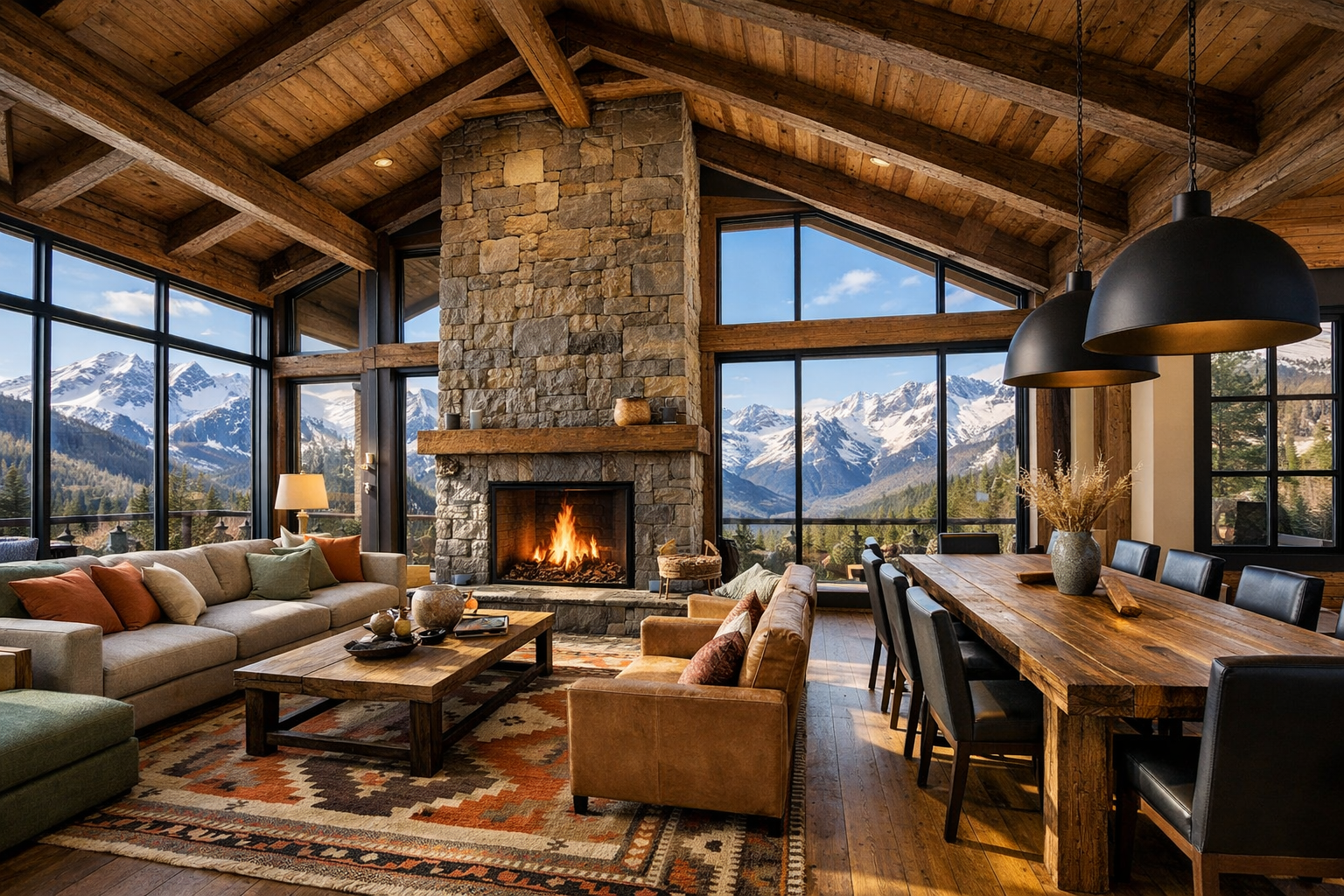
The American West has always symbolized freedom, rugged individualism, and a deep connection to the land. For decades, interior design has attempted to capture this spirit, often resulting in spaces filled with cliché cowboy memorabilia or overly dark, heavy log cabins. Today, a new aesthetic has emerged that honors this heritage while embracing a sleek, contemporary lifestyle. Welcome to the Modern Rustic design movement. This style is rapidly gaining popularity across the United States, from urban lofts in Denver to coastal retreats in Maine, as homeowners seek to create warm, inviting sanctuaries that feel both grounded and refined. Modern Rustic is more than just a trend; it’s a design philosophy that balances the raw beauty of nature with the clean lines of modern architecture. In this article, we will explore the core principles of this style, from its material palette to its color schemes, and provide you with actionable tips to infuse your own home with the perfect blend of wilderness and sophistication.
The Core Principles: Balancing Rough with Refined
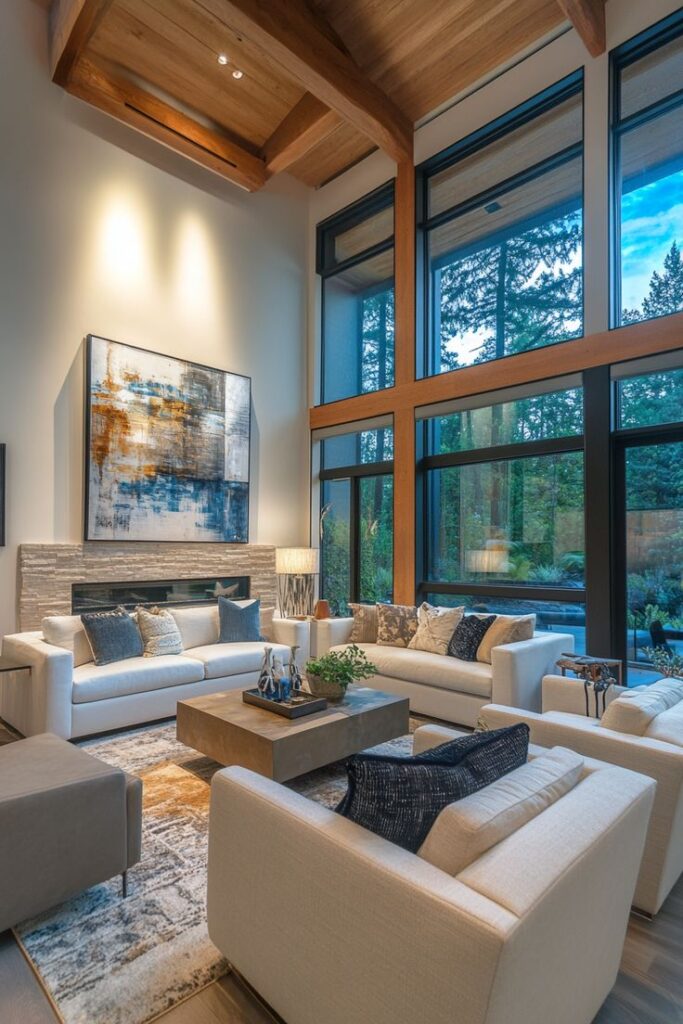
At its heart, Modern Rustic design is about juxtaposition. The goal is to create visual interest and harmony by placing rough, organic textures against smooth, sleek surfaces. Imagine a wall of rough-hewn, reclaimed barn wood serving as the backdrop for a pristine, white leather sofa. Or consider a polished concrete floor softened by a thick, shaggy wool rug. This interplay is what defines the style. It moves away from the literal “log cabin” aesthetic of the past, where every surface was wood and stone, and instead uses these natural elements as accents and focal points. The modern component brings in clean lines, uncluttered spaces, and a neutral color palette that allows the natural materials to truly shine. This balance prevents the space from feeling like a museum or a themed restaurant, creating instead a home that feels curated, lived-in, and utterly timeless.
Material Palette: Authenticity is Key
The materials you choose are the foundation of any Modern Rustic space. Authenticity is crucial; the goal is to celebrate the inherent beauty and imperfection of natural elements.
- Reclaimed Wood: This is perhaps the most iconic material of the style. Whether used for ceiling beams, accent walls, flooring, or custom furniture, reclaimed wood brings instant history, warmth, and texture. Look for wood with visible nail holes, saw marks, and a rich, weathered patina. It tells a story that new, smooth lumber simply cannot replicate.
- Natural Stone: Rough-cut stone, such as fieldstone, slate, or quartzite, adds a sense of permanence and organic texture. A floor-to-ceiling stone fireplace is often the centerpiece of a Modern Rustic living room. For a more subtle application, consider a stone backsplash in the kitchen or a slab stone vanity top in a bathroom.
- Metals: Move away from polished brass or chrome. The Modern Rustic palette favors metals with a matte finish and a sense of age. Blackened iron, oil-rubbed bronze, and aged copper are ideal choices for light fixtures, cabinet hardware, and stair railings. These darker metals add a masculine, industrial edge that perfectly complements the softness of wood and leather.
- Leather and Textiles: Full-grain leather in warm tones like cognac, chestnut, or saddle brown adds a layer of rugged luxury. Use it on sofas, armchairs, or ottomans. To soften the space, layer in textiles with organic textures—think chunky knit wool throws, linen curtains, and pillows made from sheepskin or faux fur.
The Modern Rustic Color Palette: Earthy and Calm
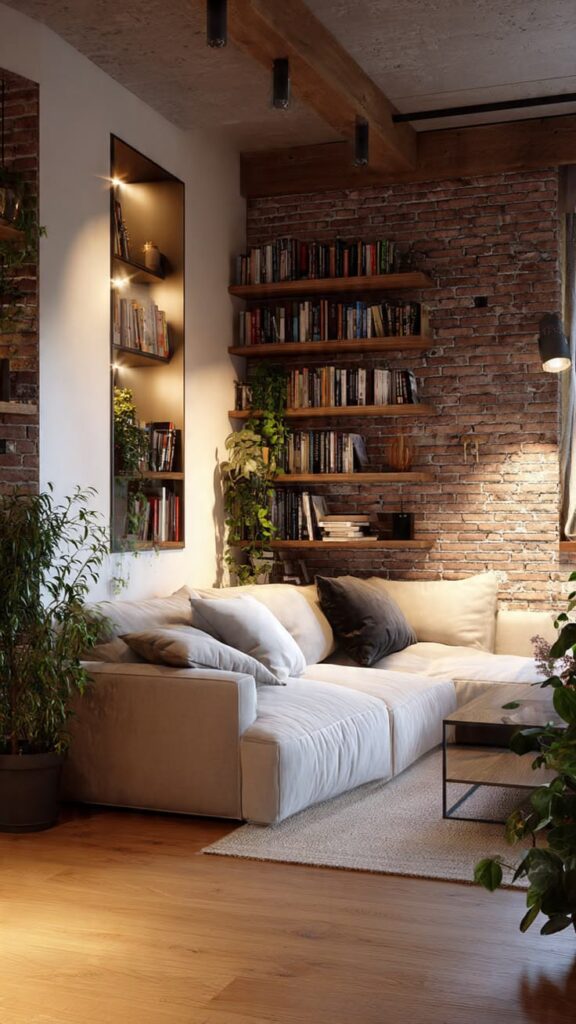
Unlike the vibrant, primary colors sometimes associated with Southwestern decor, the Modern Rustic color palette is muted and inspired by the natural landscape. The base is almost always a neutral—crisp white, soft greige, warm gray, or charcoal. These colors serve as a clean canvas, allowing the textures and materials to take center stage. From there, you layer in earthy accents drawn from the environment. Think of the colors of a desert landscape at dusk: sage green, dusty terracotta, muted ochre, and deep indigo. These hues are used sparingly in accessories, artwork, and accent furniture. The overall effect is a space that feels serene, grounded, and incredibly calming—a true escape from the overstimulation of daily life. This palette’s neutrality also makes it incredibly versatile, allowing homeowners to easily update the look with seasonal accessories without needing a full redesign.
Bringing It Home: Practical Application in Key Rooms
Translating this style to your own home involves thoughtful curation. In the living room, start with a large, comfortable sectional in a neutral fabric or leather. Anchor the space with a substantial coffee table made from a single slab of reclaimed wood. A stone fireplace surround and black iron sconces will complete the look. Avoid clutter; let a few key pieces, like a vintage wool blanket or a ceramic vase, serve as accessories.
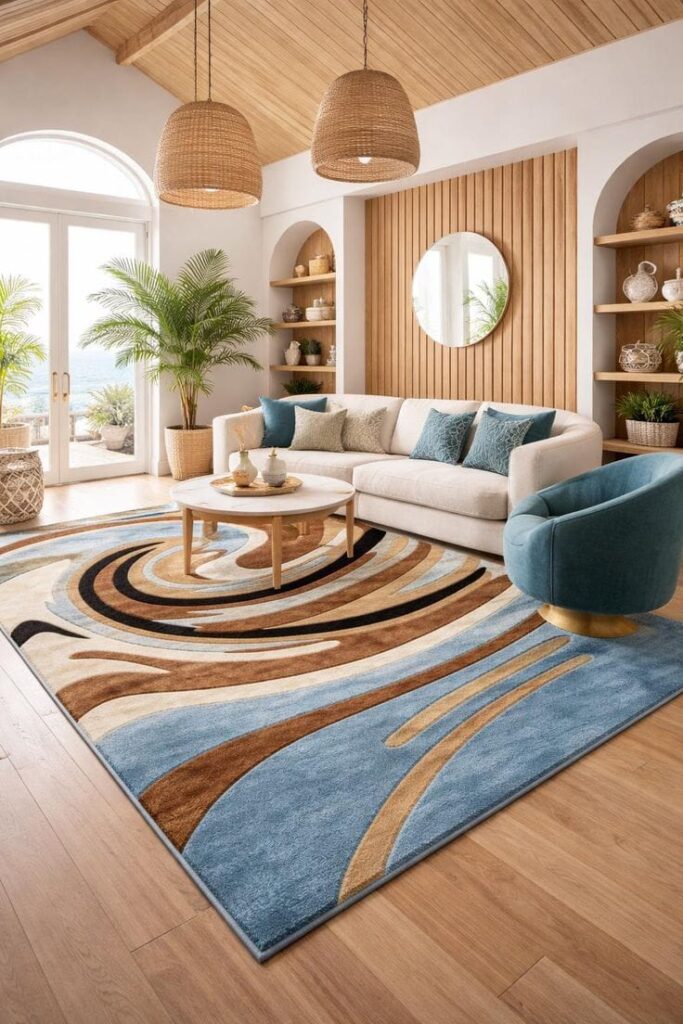
For the kitchen, opt for simple, flat-panel cabinetry in a matte finish. Pair it with a substantial island featuring a butcher block or stone countertop. Open shelving made of reclaimed wood is a great way to display artisan pottery or heirloom cookware. Use leather pulls on cabinets to add a subtle, unexpected rustic touch. In the bedroom, create a sanctuary with a low-profile platform bed. A headboard made of weathered wood or upholstered in linen becomes the focal point. Keep bedding simple in crisp white or cream, and layer with a heavy knit throw at the foot of the bed. Industrial-style sconces as bedside lamps free up space on nightstands and add to the modern, uncluttered feel.
Conclusion
The Modern Rustic design trend offers a compelling vision for the American home—one that honors the pioneering spirit of the past while embracing the clean, functional needs of modern life. It’s a style that prioritizes authenticity, texture, and a deep connection to the natural world. By carefully balancing rough-hewn materials with sleek surfaces and grounding the space in a serene, earthy color palette, you can create a home that is not only visually stunning but also a true sanctuary. Whether you’re building a new home in the mountains or updating a city apartment, the principles of Modern Rustic design provide a timeless and deeply satisfying path to creating a space that feels both rugged and refined, wild and wonderfully livable.