Introduction
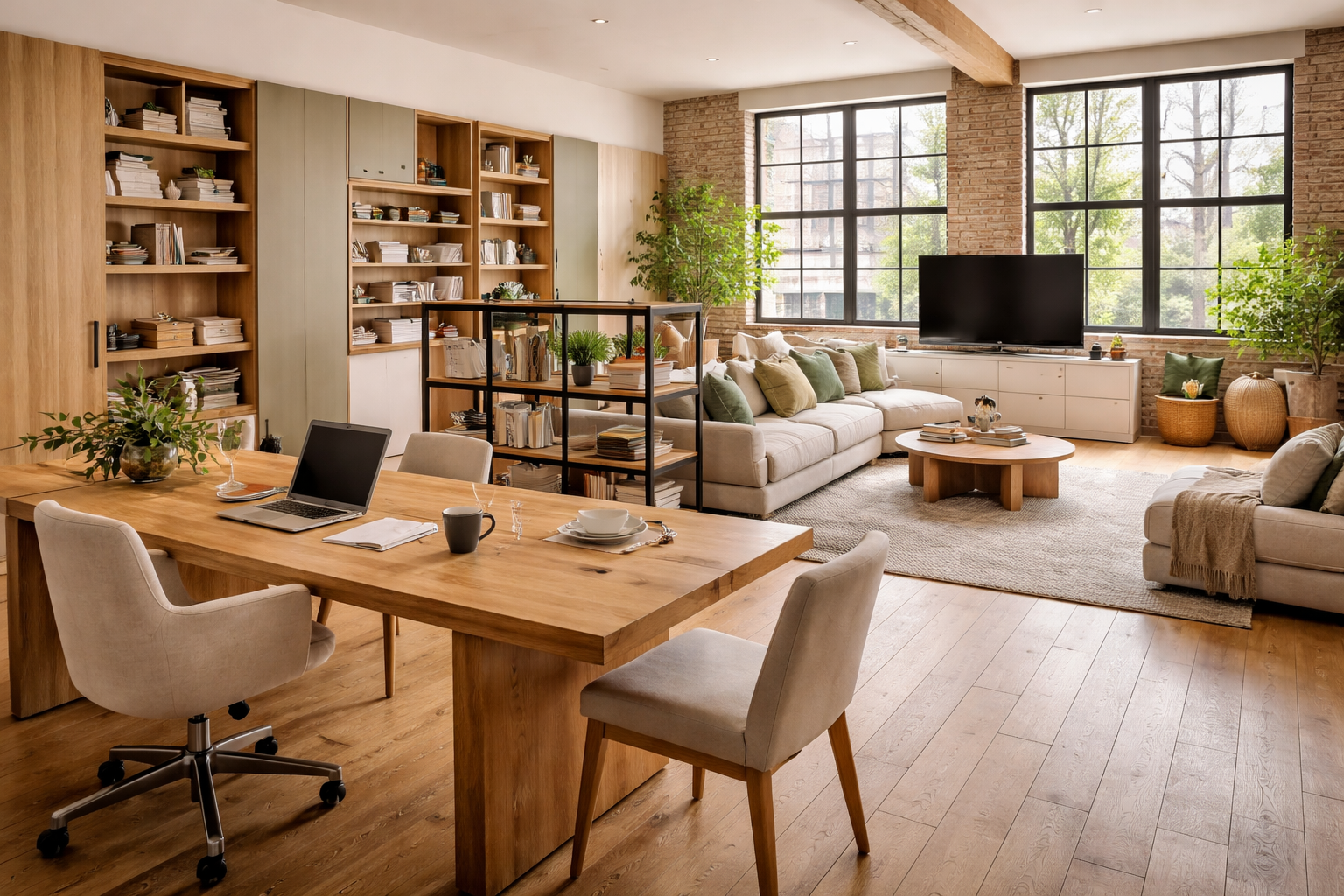
The way Americans live in their homes has undergone a profound transformation over the past few years. The rigid, single-purpose rooms of the past—a formal dining room used twice a year, a living room for “company,” a dedicated home office—no longer align with the dynamic, fluid rhythms of contemporary life. Today, our homes are expected to do more than ever before. They are our offices, our schools, our gyms, our entertainment venues, and our sanctuaries, often all within the same day. This shift has given rise to a new design imperative: the multi-functional space. The modern American home must be a chameleon, capable of adapting effortlessly to a wide range of activities. This is not about cramming as many functions as possible into a small area, but about thoughtful, strategic design that creates zones for different activities within a single, harmonious space. In this article, we will explore the principles of designing flexible, multi-functional spaces that are not only highly efficient but also beautiful, comfortable, and a true reflection of the way we live now.
The Rise of the Flex Room
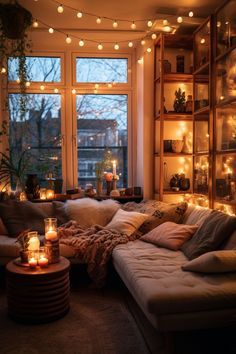
One of the most significant trends in new home construction and renovation is the “flex room.” This is a space without a predetermined function, allowing homeowners to decide how it best serves their needs. A flex room might be a main-floor office for one family, a quiet homework zone for another, a playroom for young children, or a serene yoga studio. The key to designing a successful flex room is to treat it as a blank canvas with built-in flexibility. This starts with the infrastructure: ensure the room has ample, well-placed electrical outlets for technology, good natural light, and a neutral, calming color palette. Furniture should be lightweight and mobile. Think of a comfortable daybed that can serve as a reading nook, a sofa for guests, or a spot for a midday nap. Use modular shelving that can be reconfigured to hold office supplies, toys, or books. By keeping the room’s foundation neutral and its furniture adaptable, you create a space that can seamlessly evolve with your family’s changing needs over time.
The Hybrid Home Office/Guest Room
Perhaps the most common multi-functional challenge in modern homes is the need for a home office that can also accommodate overnight guests. The key to success here is separation—creating a space that feels like a professional workspace during the day and a welcoming, comfortable bedroom at night. The hero of this hybrid space is the Murphy bed, or wall bed. Modern Murphy beds are a far cry from the utilitarian designs of the past; today, they come in beautiful custom finishes and can be integrated into cabinetry to look like a stylish built-in wardrobe or bookshelf when not in use. For the office component, a built-in desk that folds down from the wall or a floating desk that serves as a nightstand can maximize floor space. A sofa that converts into a bed is another excellent option. Storage is also critical. Use a wardrobe or a large dresser that can store both office supplies and guest linens. With the right furniture selections, you can create a dual-purpose room that excels at both functions without ever feeling like a compromise.
The Open-Concept, Zoned Living Area
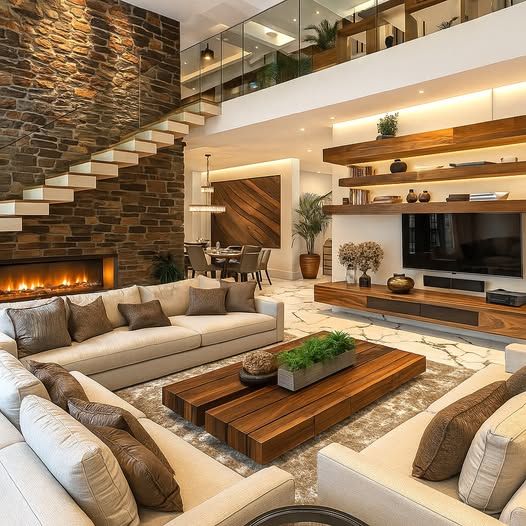
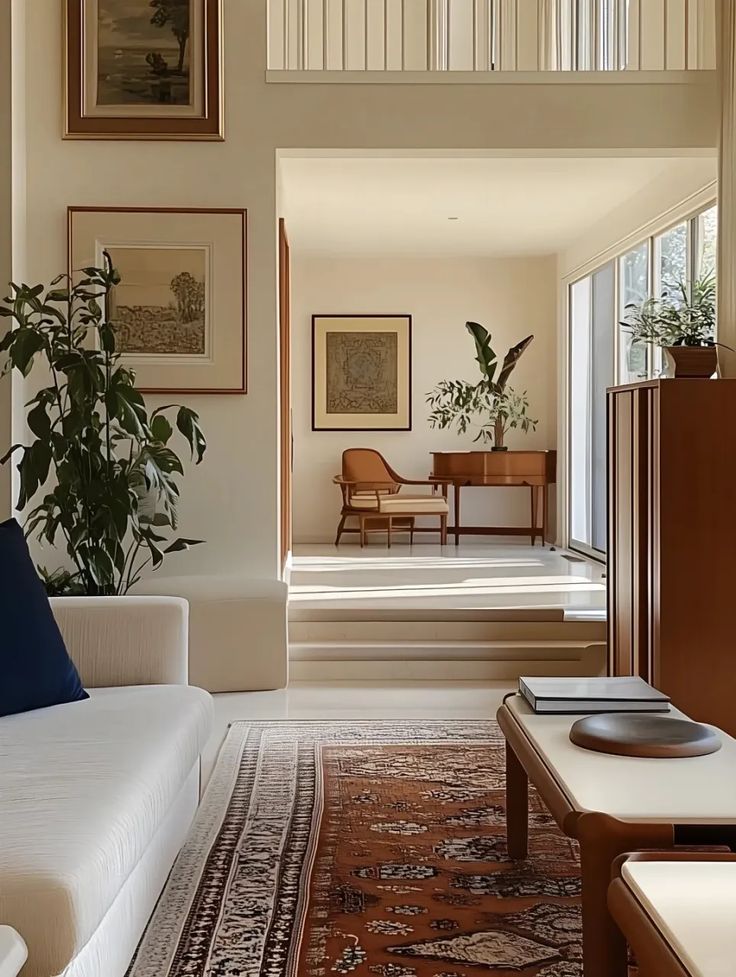
The open-concept floor plan remains a dominant feature in American homes, prized for its ability to foster connection and create a sense of spaciousness. However, the challenge with a large, open space is ensuring it doesn’t feel like a cavernous, undefined void. The solution lies in creating distinct zones through strategic furniture placement, lighting, and flooring. Area rugs are one of the most effective tools for zoning. A large rug under the sofa and chairs defines the living area, while a different rug under the dining table delineates the dining zone. Furniture arrangement is equally important. A sofa can be positioned with its back to the dining area, creating a natural visual separation. Varying ceiling heights, such as a dropped ceiling over the kitchen, can also define zones.
Lighting plays a crucial role. Instead of relying on a single overhead fixture, use a combination of pendant lights over the kitchen island, a statement chandelier over the dining table, and floor lamps in the living area. This layered lighting approach creates distinct pools of light that visually separate each zone while contributing to a cohesive overall design. This zoning strategy allows a family to have one person cooking, another doing homework at the island, and a third watching TV, all in the same room, yet each in their own defined area.
The Kitchen as the Heart of the Home
The kitchen has long been called the heart of the home, but its role has expanded dramatically. It is no longer just a place for cooking; it is the command center for family life. Today’s kitchens are designed to accommodate a multitude of activities. A large, multi-level kitchen island is the centerpiece of this functional evolution. One level might serve as the main prep area with a sink and cooktop, while a lower, counter-height level on the opposite side provides seating for casual meals, a spot for kids to do homework, or a place for guests to chat with the cook.
Beyond the island, a dedicated “command center” or “family hub” is becoming an essential feature. This is a small, designated area with a charging station for devices, a corkboard or magnetic board for calendars and schedules, and perhaps a small desk for paying bills or managing household tasks. By giving these functions a dedicated place, you prevent the kitchen countertops from becoming cluttered with mail, laptops, and phones. This thoughtful integration of technology and administration ensures the kitchen remains both a beautiful, functional cooking space and the efficient hub of family life.
Conclusion
The era of the single-purpose room is over. The modern American home must be agile, adapting to the fluid and multifaceted nature of our daily lives. Designing successful multi-functional spaces is not about sacrificing style for utility, but about embracing a new level of design intelligence. By investing in flexible furniture like Murphy beds, using zoning techniques to define areas within open plans, and thoughtfully integrating essential functions like home offices and family command centers, you can create a home that works as hard as you do. The result is a living environment that is not only beautiful and efficient but also deeply supportive of the way you live, work, and connect with your family. It’s a home designed for life, in all its beautiful complexity.