Introduction
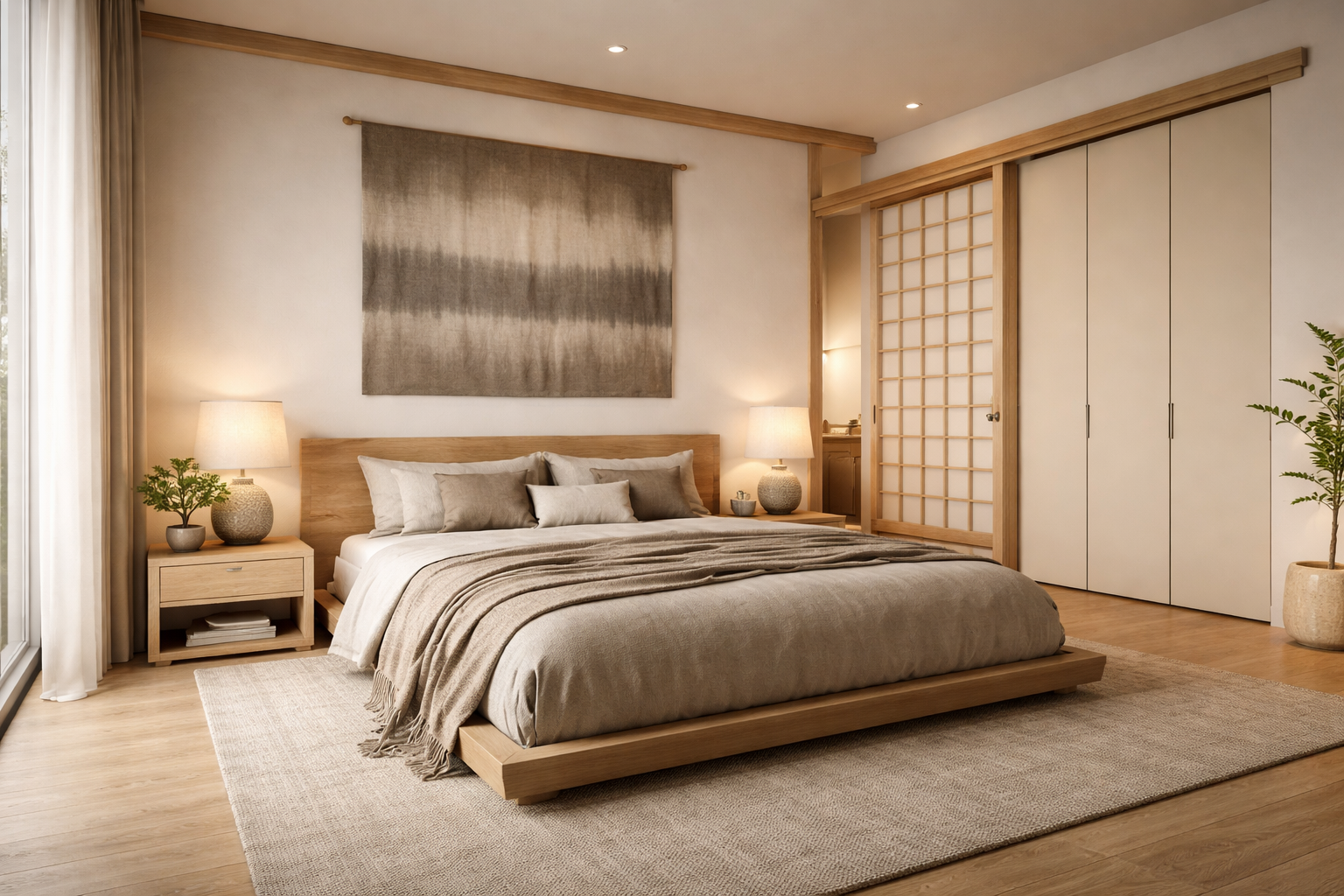
In the ever-evolving world of interior design, a new aesthetic has emerged that beautifully marries two beloved philosophies from opposite sides of the globe. Japandi, a portmanteau of Japanese and Scandinavian, represents the perfect union of Japanese minimalism and Scandinavian coziness, or hygge. This design style has captured the hearts of American homeowners seeking a respite from the chaos of modern life. It offers a sanctuary of calm, balance, and understated elegance. At its core, Japandi is about more than just a look; it’s a way of living that prioritizes simplicity, functionality, and a deep appreciation for natural beauty. It takes the Japanese concepts of wabi-sabi (finding beauty in imperfection) and ma (the appreciation of negative space) and infuses them with the Scandinavian emphasis on warmth, texture, and comfort (hygge). The result is a style that is neither starkly minimalist nor overly cozy, but rather a harmonious blend that feels both serene and inviting. In this article, we will explore the key principles of Japandi design and provide you with a roadmap to creating this tranquil, balanced aesthetic in your own American home.
The Philosophical Fusion: Wabi-Sabi Meets Hygge
To truly understand Japandi, one must appreciate the philosophical foundations upon which it is built. From Japan comes wabi-sabi, a worldview centered on the acceptance of transience and imperfection. In design, this translates to a love for natural materials that age gracefully, handmade objects with slight irregularities, and an overall aesthetic that feels organic and unpretentious. It is the beauty found in a hand-thrown ceramic bowl with an asymmetrical shape or the rich patina that develops on a wooden table over time.
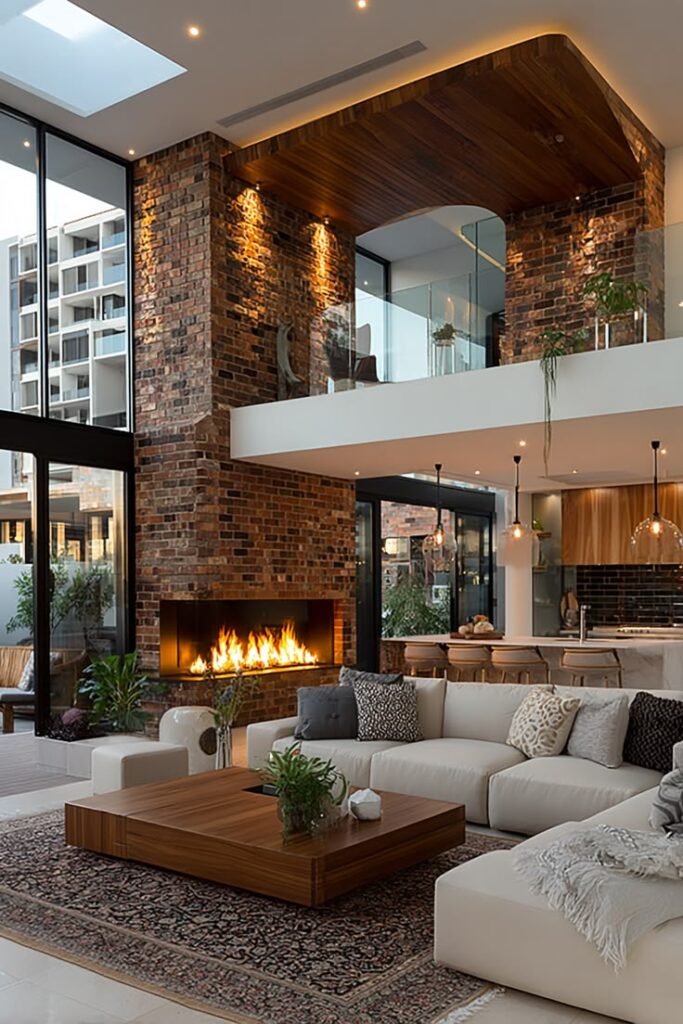
From Scandinavia comes hygge, a Danish concept that defies simple translation but is often described as a feeling of cozy contentment and well-being. It’s about creating a warm, intimate atmosphere where one can relax and connect with loved ones. In design, hygge is expressed through soft textiles, warm lighting, and a layering of comfortable elements. When you combine wabi-sabi’s embrace of imperfection with hygge’s pursuit of comfort, you get Japandi: a style that is serene and uncluttered, yet deeply warm and livable. It’s a space that feels both thoughtfully curated and effortlessly relaxed.
The Japandi Material Palette: Natural and Authentic
The materials used in Japandi design are chosen for their natural beauty, texture, and ability to age gracefully. The palette is intentionally limited, focusing on quality over quantity. Wood is the foundational material, with light-toned woods like oak, ash, and bamboo being particularly favored. These woods bring a sense of warmth and lightness to a space. Unlike in some traditional Japanese interiors where wood might be left raw, in Japandi, it is often treated with a matte oil or soap finish that protects it while allowing the natural grain to shine.
Beyond wood, other natural materials play crucial roles. Stone, such as slate, travertine, or soapstone, is used for countertops and accents, adding a grounded, organic element. Paper, particularly in the form of shoji screens or washi paper lamps, is a nod to Japanese heritage and diffuses light beautifully. Rattan, bamboo, and jute are used for furniture and textiles, adding layers of texture. The goal is to create a space that feels connected to the earth, using materials that are sustainable, authentic, and beautiful in their natural state.
Color Palette and Textures: Calm and Layered
The Japandi color palette is a study in serenity. It is built upon a foundation of warm, muted neutrals. Think creamy off-whites, soft greiges, warm taupes, and the subtle beige of natural linen. Black is used sparingly but purposefully—as an accent in a picture frame, a piece of hardware, or a piece of ceramic—to add depth and contrast. Unlike a purely minimalist palette, which can sometimes feel cold, Japandi neutrals are always warm, contributing to the overall sense of comfort.
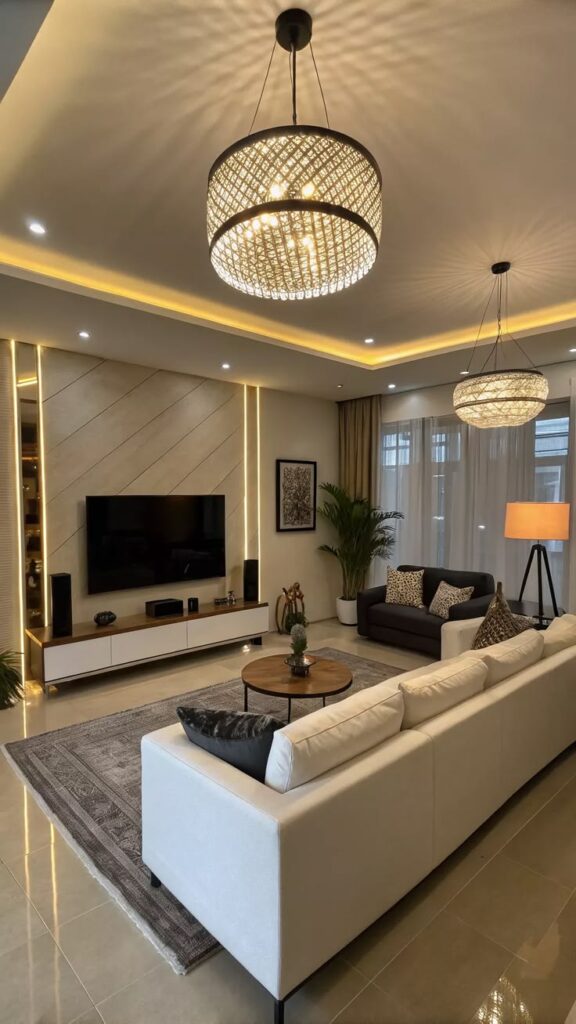
Texture is where Japandi truly comes to life. Because the color palette is so restrained, texture provides the visual interest and tactile richness. The layering of textures is essential. A space might feature a smooth, plastered wall, a chunky knit wool throw draped over a linen-upholstered sofa, a jute rug underfoot, and a smooth, ceramic vase on a live-edge wood coffee table. This thoughtful layering of contrasting textures—smooth and rough, soft and hard, matte and glossy—creates a space that feels dynamic and deeply comforting, inviting you to touch and linger.
Furniture and Functionality: Clean Lines with Curves
Japandi furniture embodies the principle of functional beauty. Pieces are chosen for their clean lines, simple silhouettes, and high-quality craftsmanship. Scandinavian influences are evident in the mid-century modern-inspired furniture with tapered legs and organic curves, while Japanese influences are seen in low-profile platform beds, floor cushions, and modular shelving systems. Every piece serves a purpose; there is no room for ornamentation for ornamentation’s sake.
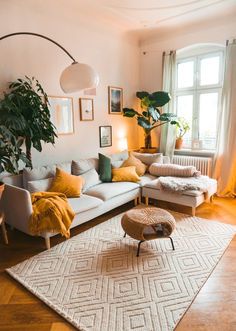
The furniture arrangement also reflects the principle of ma, or the appreciation of negative space. Pieces are not crowded together but are given room to breathe. This creates a sense of calm and allows each carefully chosen item to be appreciated on its own merits. A single, sculptural branch in a ceramic vase on a low console table can be more impactful than a collection of smaller objects. Storage is integrated and discreet, often using built-in cabinetry or simple, natural-fiber baskets to keep clutter out of sight, maintaining the uncluttered aesthetic that is central to the style.
Bringing Japandi Home: Practical Tips
Creating a Japandi-inspired home is a process of thoughtful curation and editing. Start by decluttering. The style demands a space free of non-essential items. Keep only what you need or truly love. Next, assess your materials. Incorporate natural wood furniture, stone accents, and textile layers in linen, wool, and cotton. Choose a neutral, warm color palette for your walls and larger pieces. Invest in a few high-quality, handmade objects—a ceramic vase, a wooden bowl, a piece of original art—that embody the wabi-sabi spirit of imperfection and authenticity.
Lighting is crucial. Avoid harsh overhead lights. Instead, create a layered lighting scheme with multiple sources. Use paper lanterns or washi-tape pendant lights for a soft, diffused glow. Incorporate floor lamps and table lamps with warm bulbs. Finally, bring in nature. A carefully placed bonsai tree, a simple arrangement of dried eucalyptus, or a few lush green plants will add life and reinforce the connection to the natural world. The goal is not to create a theme-park version of Japan or Scandinavia, but to thoughtfully blend their principles into a space that feels uniquely calm, balanced, and welcoming.
Conclusion
Japandi design offers a compelling vision for the modern home—one that rejects excess in favor of intentionality and finds richness in simplicity and texture. By harmoniously blending the minimalist elegance of Japanese design with the cozy warmth of Scandinavian living, it creates spaces that are not only aesthetically beautiful but also profoundly restorative. For American homeowners seeking a sanctuary from the relentless pace of daily life, Japandi provides a blueprint for creating a home that is a true haven of calm, balance, and understated beauty. It is a style that proves that when two distinct design philosophies come together, they can create something even more beautiful and meaningful than the sum of their parts.