Introduction
Luxury interior design represents the pinnacle of the home interior market. In this exclusive segment, the rules are different. Budget constraints are secondary to vision, craftsmanship is paramount, and the goal is creating spaces that reflect the unique personalities and lifestyles of discerning clients. For interior designers and homeowners alike, understanding the principles of luxury design is essential to creating spaces that command premium value.
The luxury interior market in the United States has grown significantly in recent years, driven by accumulated wealth, the premium placed on home as sanctuary, and the desire for spaces that offer both beauty and functionality. This article explores the defining characteristics of luxury interior design, the investment priorities that deliver exceptional results, and the strategies used by top designers to create spaces that transcend trends and become timeless.
Defining Luxury Interior Design
Luxury interior design is not simply about expensive materials or designer furnishings. True luxury is defined by:
Quality Over Quantity: Luxury spaces prioritize exceptional quality in fewer, carefully selected pieces rather than filling spaces with abundant but lesser-quality items.
Customization: Bespoke elements—from custom millwork to commissioned art—create spaces that cannot be replicated and reflect the client’s unique vision.
Attention to Detail: The distinction between good design and luxury lies in the details: perfect proportions, seamless transitions, impeccable finishes, and thoughtful touches that enhance daily living.
Comfort and Function: True luxury never sacrifices comfort for appearance. The most successful luxury spaces are as livable as they are beautiful.
Timelessness: Luxury design avoids fleeting trends in favor of enduring elegance that will remain relevant and valued for years to come.
Investment Priorities in Luxury Interiors
1. Architectural Millwork and Custom Cabinetry
Custom millwork represents one of the highest-value investments in luxury interiors. Built-in cabinetry, paneled walls, custom bookshelves, and detailed moldings create architectural interest and signal quality craftsmanship.
In luxury kitchens and bathrooms, custom cabinetry is expected. Beyond these spaces, library-quality built-ins in studies, custom closets in primary suites, and paneled walls in dining rooms elevate the entire home. The investment in quality millwork returns both immediate enjoyment and long-term value.
2. Stone and Natural Materials
Natural stone—marble, limestone, travertine, and granite—remains the hallmark of luxury surfaces. In kitchens, stone countertops provide both beauty and durability. In bathrooms, stone slabs on walls and floors create spa-like retreats.
Beyond stone, luxury interiors incorporate natural materials throughout: wide-plank hardwood floors, natural wool carpeting, linen window treatments, and leather accents. These materials age beautifully and develop character over time.
3. Lighting Design
Exceptional lighting distinguishes luxury interiors from standard spaces. Professional lighting design incorporates multiple layers: ambient lighting for overall illumination, task lighting for specific activities, accent lighting to highlight artwork and architectural features, and decorative lighting as sculptural elements.
In luxury homes, lighting is meticulously planned and often includes custom fixtures, integrated smart controls, and carefully considered placement to enhance the architecture and create desired moods.
4. Art and Accessories
Original art, carefully curated accessories, and personal collections transform houses into homes. Luxury interiors allocate significant budgets to art acquisition and placement, with designers working closely with clients and art advisors to select pieces that resonate personally and enhance the overall design.
The distinction between decorated and designed often lies in the thoughtful curation of objects that tell the client’s story and create emotional connection.
5. Smart Home Integration
In luxury interiors, technology is seamlessly integrated rather than obtrusive. Lighting, climate, security, entertainment, and window treatments are controlled through intuitive systems that enhance convenience without compromising aesthetics.
The expectation in luxury homes is that technology works effortlessly and invisibly, with systems that can be customized to residents’ preferences and daily routines.
Key Spaces in Luxury Interior Design
The Luxury Kitchen
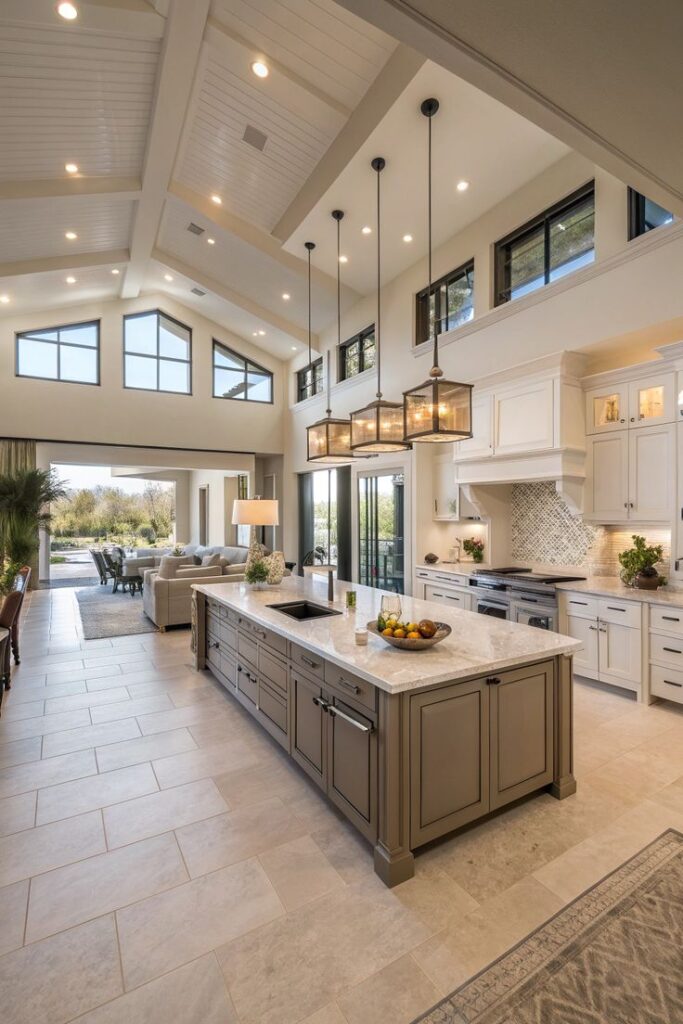
The kitchen has evolved from purely functional space to the heart of luxury homes. Today’s luxury kitchens feature:
- Professional-grade appliances integrated with custom cabinetry
- Multiple work zones for cooking, prep, and entertaining
- Oversized islands with seating and secondary sinks
- Butler’s pantries or sculleries for concealed food preparation
- High-quality materials throughout, often including stone, marble, and premium hardwoods
The Spa Bathroom
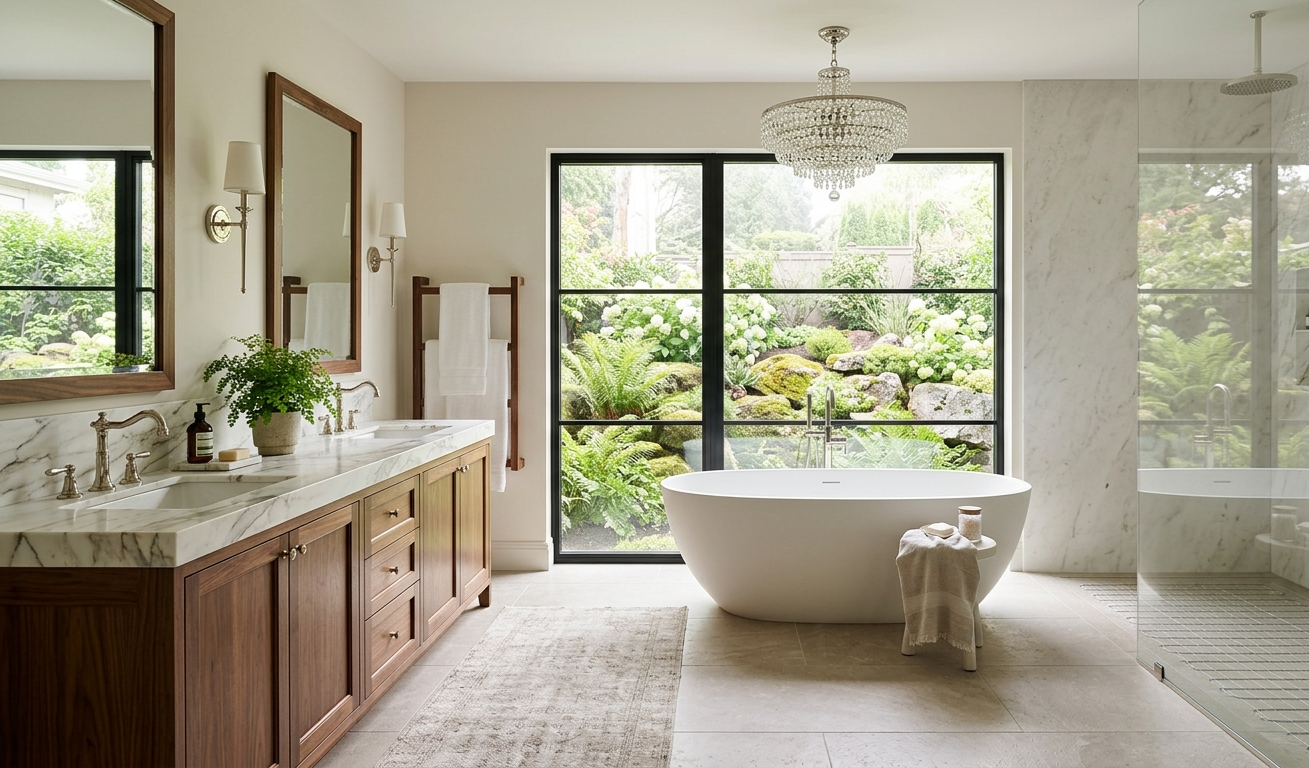
Luxury bathrooms have become private retreats featuring:
- Generous walk-in showers with multiple showerheads and steam capabilities
- Freestanding soaking tubs positioned for views and natural light
- Heated floors and towel warmers
- Custom vanities with abundant storage and integrated technology
- High-end fixtures and finishes
The Primary Suite
The luxury primary bedroom suite offers:
- Generous proportions with space for sitting areas
- Custom closets that function as dressing rooms
- Connection to outdoor space or private terrace
- Carefully considered lighting and window treatments
- Personalization reflecting the client’s preferences
Home Entertainment Spaces
Dedicated spaces for entertainment are increasingly expected in luxury homes:
- Home theaters with professional-grade audio and video
- Wine cellars and tasting rooms
- Game rooms and sports lounges
- Outdoor entertaining spaces with full amenities
The Role of the Luxury Interior Designer
Successful luxury interior designers combine creative vision with project management expertise. Their services typically include:
Discovery and Visioning: Understanding the client’s lifestyle, preferences, and aspirations through in-depth consultation.
Concept Development: Creating design concepts that translate vision into tangible direction.
Space Planning: Developing functional layouts that optimize flow and usability.
Material Selection: Sourcing and specifying all finishes, fixtures, and materials.
Furnishings and Decor: Selecting and procuring furniture, lighting, art, and accessories.
Project Management: Coordinating contractors, vendors, and timelines to ensure seamless execution.
Installation and Styling: Overseeing installation and final styling to achieve the complete vision.
Conclusion
Luxury interior design represents the highest expression of the home interior market—a field where exceptional creativity, technical expertise, and business acumen combine to create spaces of enduring value. For designers, the luxury segment offers the opportunity to work with discerning clients on projects that push creative boundaries and command premium fees. For homeowners, understanding the principles of luxury design enables informed decisions that create spaces of lasting beauty and value.
Whether investing in custom millwork, natural stone, professional lighting design, or seamless technology integration, the priorities of luxury interior design remain consistent: quality craftsmanship, attention to detail, personalization, and timeless elegance. In a world of fleeting trends and disposable design, these principles create spaces that not only command premium value but also enrich daily life for years to come.