The Ultimate Guide to Biophilic Design In the fast-paced digital age, our homes have become sanctuaries from the constant buzz of notifications and artificial light. Yet, many of us still feel a disconnect—a subtle stress that comes from four concrete walls and a ceiling. The solution isn’t just a new coat of paint; it’s a design philosophy called biophilia. Coined by biologist E.O. Wilson, biophilia is the innate human tendency to seek connections with nature. When applied to interior design, it transforms a house into a living, breathing ecosystem that reduces stress, boosts creativity, and improves air quality.
Biophilic design is more than just buying a fiddle-leaf fig. It is a multi-sensory approach that incorporates light, plants, water, airflow, and natural textures. In this guide, we will explore how to integrate these elements into your home decor, regardless of your budget or square footage.
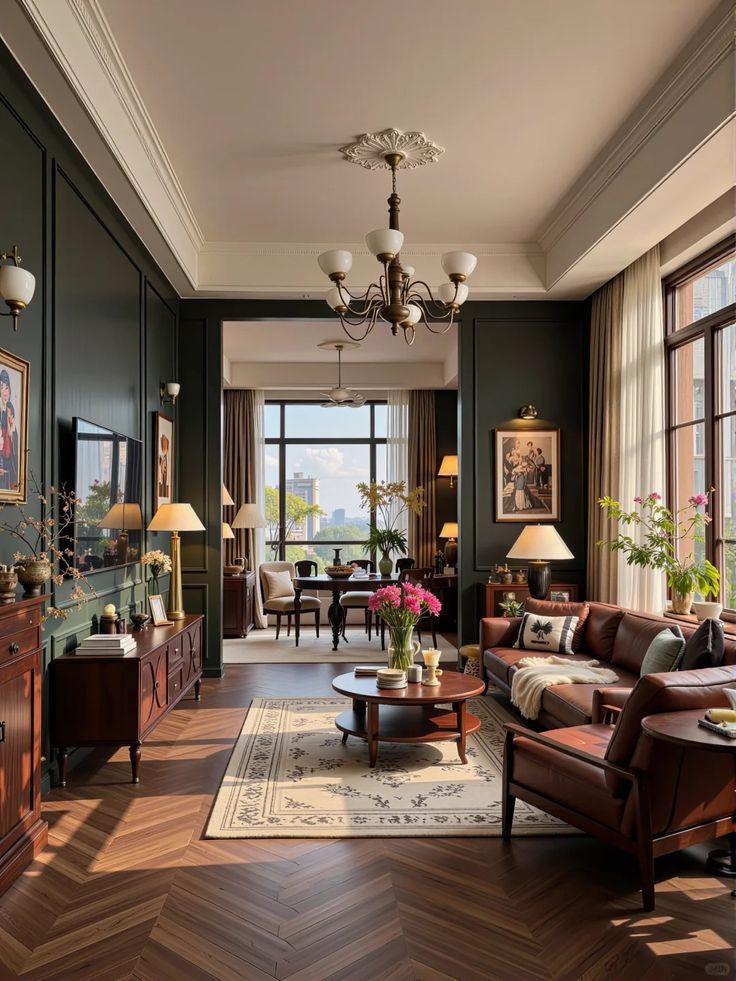
The Ultimate Guide to Biophilic Design | The Science Behind the Serenity
Why does looking at a forest or listening to rain make us feel calm? Studies in environmental psychology show that exposure to natural elements lowers cortisol levels (the stress hormone) and blood pressure. Natural light regulates our circadian rhythms, improving sleep. Organic shapes (curves, fractals) are easier for our brains to process than harsh geometric lines, leading to a state of “soft fascination”—a relaxed focus that allows your mind to recover from mental fatigue.
By bringing nature indoors, you aren’t just decorating; you are creating a therapeutic environment.
Table of Contents
Table of Contents
Pillar 1: Direct and Indirect Nature (The Greenery)
The most obvious entry point is plants. However, biophilic design emphasizes engagement.
- Layering Foliage: Don’t just place a single pot on a shelf. Create layers. Use tall floor plants (like a Bird of Paradise or Ficus) for vertical height, hanging plants (Pothos or String of Pearls) for upper visual interest, and tabletop plants (Succulents or Ferns) for lower surfaces.
- The Living Wall: If floor space is tight, go vertical. A modular living wall system in your kitchen or living room is a dramatic statement piece that also acts as a natural sound absorber.
- Low-Maintenance Options: Not everyone has a green thumb. High-quality faux plants have come a long way, but for real benefits, try a Snake Plant or ZZ Plant. They thrive on neglect and filter benzene and formaldehyde from the air.
SEO Keyword Integration: Indoor plants for home decor, living wall ideas, low light house plants.
Pillar 2: Natural Light and Dynamic Lighting
Electric lights are static; natural light moves. Biophilic design respects the “dynamic” nature of the sun.
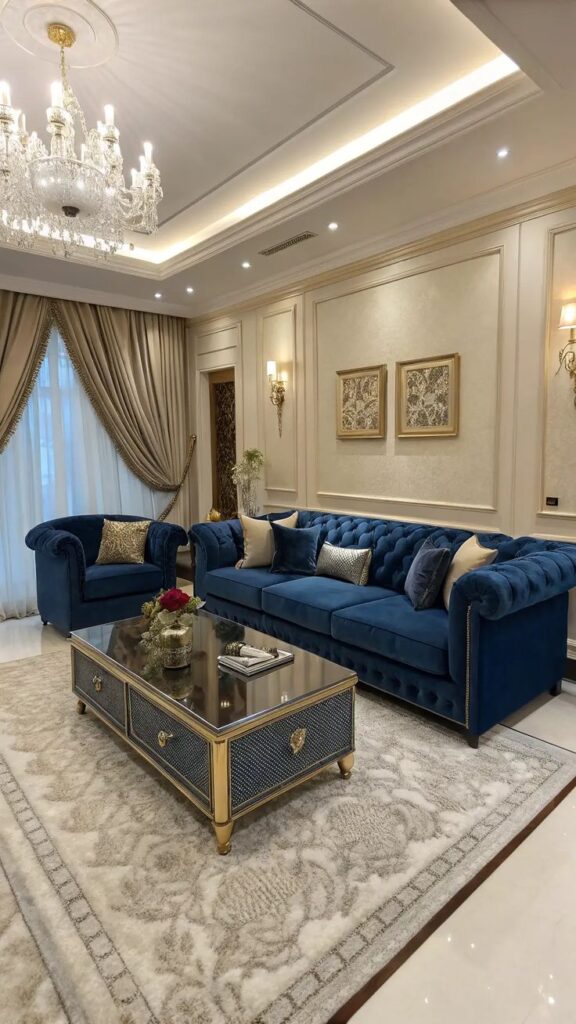
- Maximize Windows: Remove heavy drapes. Use sheer linen curtains that diffuse light but maintain privacy. Place mirrors opposite windows to bounce light deep into dark corners.
- The Daylight Spectrum: When using artificial lights in the evening, avoid cool white LEDs (5000K), which mimic midday sun and disrupt melatonin. Switch to warm white bulbs (2700K-3000K) that mimic sunset.
- Skylights and Solar Tubes: If you have a dark hallway or bathroom, a solar tube is an affordable renovation that pipes natural light from the roof into the space.
Pillar 3: Natural Textures and Materials
Biophilic design rejects the uniformity of plastic and polished metal. It celebrates imperfection.
- Wood: Use reclaimed wood for accent walls, raw edge shelves, or butcher block countertops. The grain patterns provide visual complexity.
- Stone and Clay: Terracotta pots, marble coasters, or a slate hearth add weight and grounding energy.
- Textiles: Swap polyester throws for 100% wool, organic cotton, or linen. A jute or sisal rug underfoot adds texture and sounds different to walk on than synthetic carpet.
- Water Features: The sound of trickling water masks urban noise (traffic, neighbors). A small tabletop fountain on a console table adds a auditory layer of calm.
SEO Keyword Integration: Natural texture home decor, sustainable interior materials, organic modern style.
Pillar 4: Views and Vistas (The 90-Degree Rule)
If you live in a city with a view of a brick wall, you cannot control the external view. But you can create internal views.
- Framing: Arrange your furniture so that when you sit on the sofa, you look through a room to a window, or to a cluster of plants in a corner.
- Visual Access: In an open floor plan, ensure you have sightlines that allow you to see the “nature zone” from your desk or kitchen sink. Biologist Stephen Kellert suggests that to reduce stress, a person should be able to see at least three different “nature elements” from any given seat.
Pillar 5: Evoking Nature (Art and Color)
If you can’t bring the real thing in, simulate it.
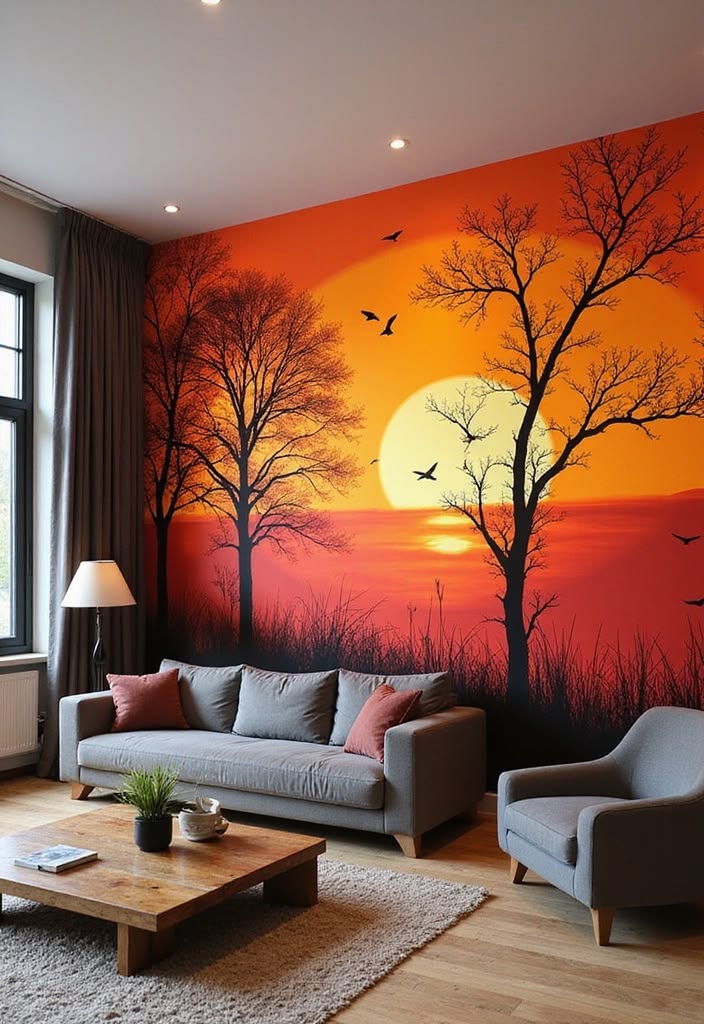
- Color Palette: Base your walls on “earth tones”—not beige, but the colors of soil, moss, sky, and sandstone. Terracotta, sage green, slate blue, and warm oatmeal.
- Organic Shapes: Avoid square furniture. Choose round coffee tables, arched mirrors, or a wavy-edged rug. Nature hates straight lines.
- Artwork: Use high-resolution photography of forests, macro shots of leaves, or abstract watercolors of landscapes. Avoid generic “motivational” prints; stick to landscapes that create a sense of depth.
DIY Biophilic Project: The Moss Wall Art
Difficulty: Easy | Cost: $30-$50
Materials: Shadow box frame, preserved reindeer moss (green), hot glue gun, cork sheet.
Instructions: Remove the glass from the frame. Glue the cork sheet to the backing board. Break the preserved moss into irregular chunks. Glue them onto the cork, varying the height and texture to look like a rolling hill. Hang it in your bathroom or office. Preserved moss requires no water or light, only humidity.
Conclusion
Biophilic design is not a trend; it is a return to our roots. It acknowledges that we are biological creatures who need sunlight, plants, and natural air to thrive. Start small: buy one snake plant today and place it where you can see it from your work desk. Next weekend, swap your plastic shower curtain for a cotton one. By the end of the month, your home won’t just look better—you will feel better. Embrace the green, let the light in, and watch your home come alive.