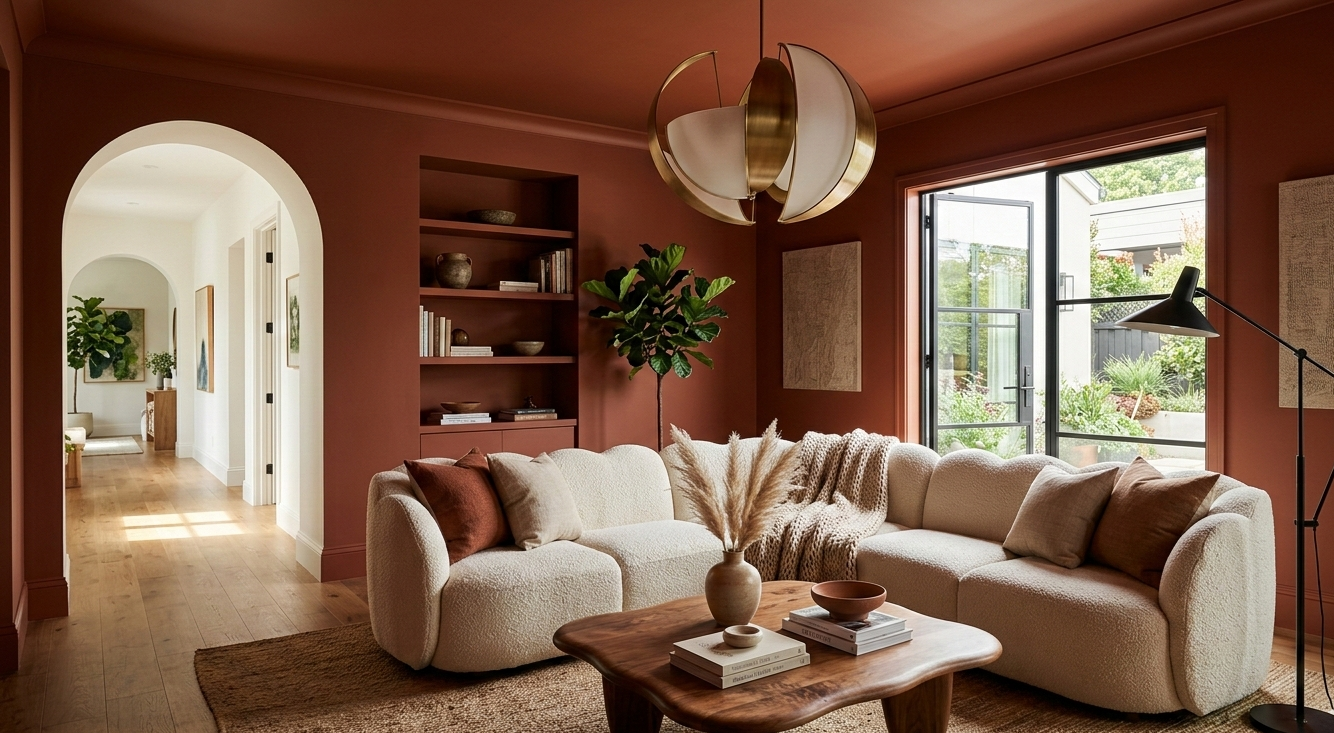
For years, the American home has been dominated by safe, neutral palettes of greige and stark white. But as we move through 2026, a powerful shift is underway. Homeowners are no longer designing for the resale value alone; they are curating personal sanctuaries that prioritize warmth, well-being, and authentic self-expression. Whether you are planning a full-scale renovation or simply looking to refresh a room, understanding these trends can help you create a space that feels both contemporary and uniquely yours.
Here are the top home interior and design trends defining how we live in 2026.
1. The Rise of “Color Drenching”
If there is one single trend dominating 2026, it is the bold technique of “color drenching.” Moving far beyond the accent wall, this approach involves painting walls, trim, ceilings, and even built-ins all in the same immersive hue .
According to data from Zillow, mentions of color drenching have surged by nearly 150% as homeowners move away from safe neutrals and lean into richer, more expressive colors . This technique creates a moody, cohesive look that wraps a room in color, making it feel both dramatic and comforting. Designers are favoring deep, saturated tones like espresso, warm mahogany, and “Martini Green” to achieve this effect . It is an accessible, budget-friendly way to completely transform the energy of a space.
2. Goodbye, Gray; Hello, Warm Earth Tones
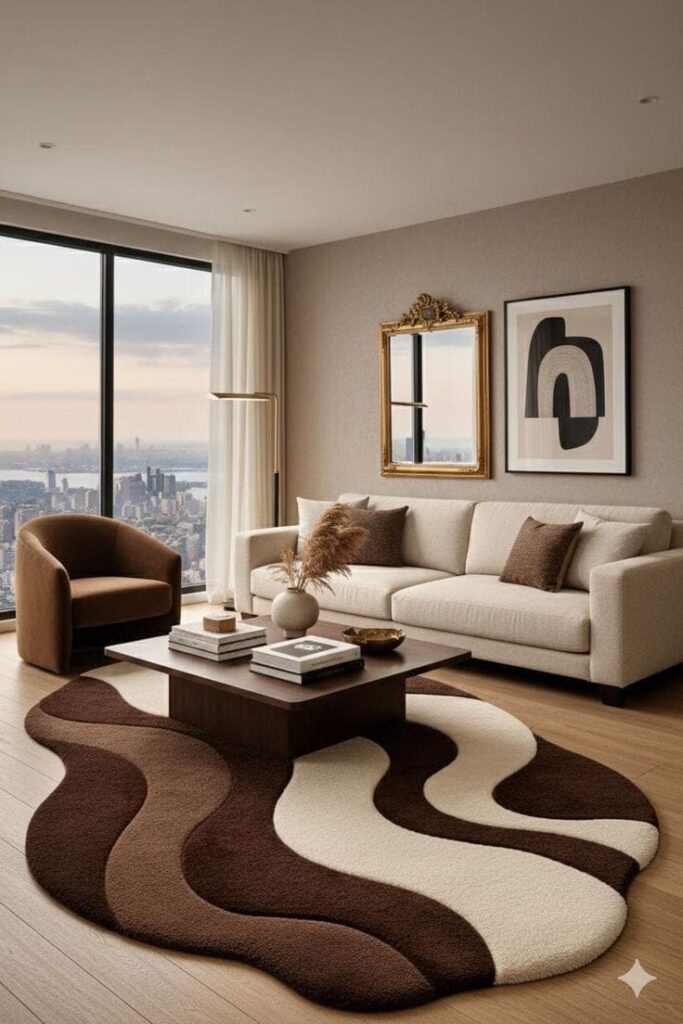
The reign of cool grays and all-white interiors has officially come to an end. In their place, a new palette of warm, earthy neutrals is taking center stage. Think creamy beiges, “buttery yellows,” soft taupes, and rich browns that evoke a sense of stability and connection to nature .
Color specialist Jennifer Ott notes that for those who still prefer lighter spaces, stark whites are being replaced by “sun-warmed and tactile” shades like canvas, parchment, and soft stone gray . These hues provide a subtle depth and create a calming backdrop that feels organic and inviting. The “new neutrals” also include deep olives, moody blues, and even softened plums, which are being used to ground spaces and add a touch of understated luxury .
3. Curves That Comfort
In 2026, the lines of modern design are getting softer. Hard edges are being replaced by curves, arches, and scalloped details that add a sense of movement and comfort to the home. This trend is showing up everywhere, from architecture to furniture .
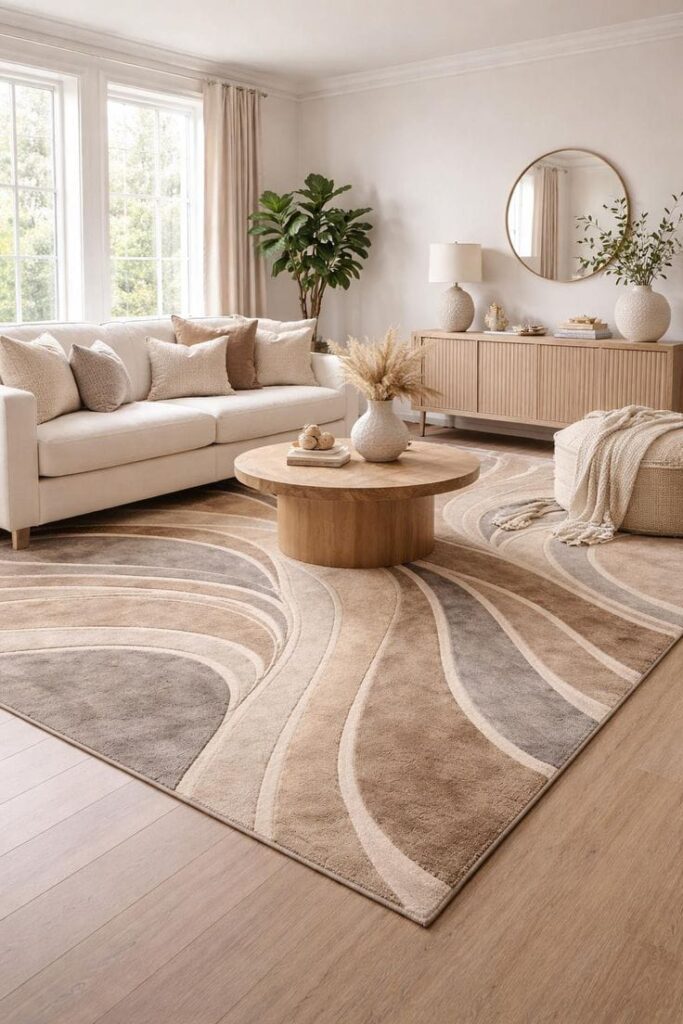
Arched doorways are becoming a popular renovation project, creating a seamless transition between rooms and softening the overall flow of a floor plan . In living rooms, rounded sofas and curved ottomans encourage social interaction and create a more intimate gathering space. In the kitchen, curved islands are replacing sharp, rectangular ones, inviting people to pull up a stool and “get social” . These organic shapes add a layer of sculptural sophistication without trying too hard.
4. The Return of Warm Woods and Traditional Details
Minimalist, light oak is taking a backseat as homeowners gravitate toward warmer, richer wood tones. Rift-sawn white oak, walnut, cherry, and hickory are bringing depth and elegance back into kitchens, living rooms, and bedrooms . Darker stains and burl wood finishes are also resurging, adding a sense of lushness and heirloom quality to cabinetry and furniture .
This appreciation for warmth extends to architectural details as well. Traditional style is making a comeback, but not in a formal or stuffy way. Today’s interpretation includes inset cabinetry, paneling, and millwork that adds character and craftsmanship to a space . This shift toward the traditional reflects a desire for homes that feel grounded and enduring.
5. Wellness-Focused and Future-Ready Spaces
The home has become a sanctuary for well-being, and that priority continues to shape design in 2026. Homeowners are investing in dedicated wellness spaces, from spa-inspired bathrooms with soaking tubs and rainfall showers to small meditation nooks and home gyms . These spaces are designed to be restorative, using natural materials and ambient lighting to promote calm.
Furthermore, the definition of a “smart home” is evolving into a “future-ready home.” Buyers are increasingly interested in energy resilience, such as solar power systems, whole-home batteries, and EV chargers . These features offer long-term cost savings and peace of mind, making them highly valuable in today’s market. Technology is also becoming more integrated, with smart systems and appliances hidden seamlessly within millwork to maintain a clean, uncluttered aesthetic .
6. Authenticity Over Perfection: The Lived-In Look
Perhaps the most significant cultural shift in design is the move away from “Instagram-perfect” minimalism toward authenticity and the “lived-in” look . Homeowners are embracing imperfection and prioritizing comfort over polish. This means blending antique pieces with new furniture, displaying personal collections, and choosing items that tell a story .
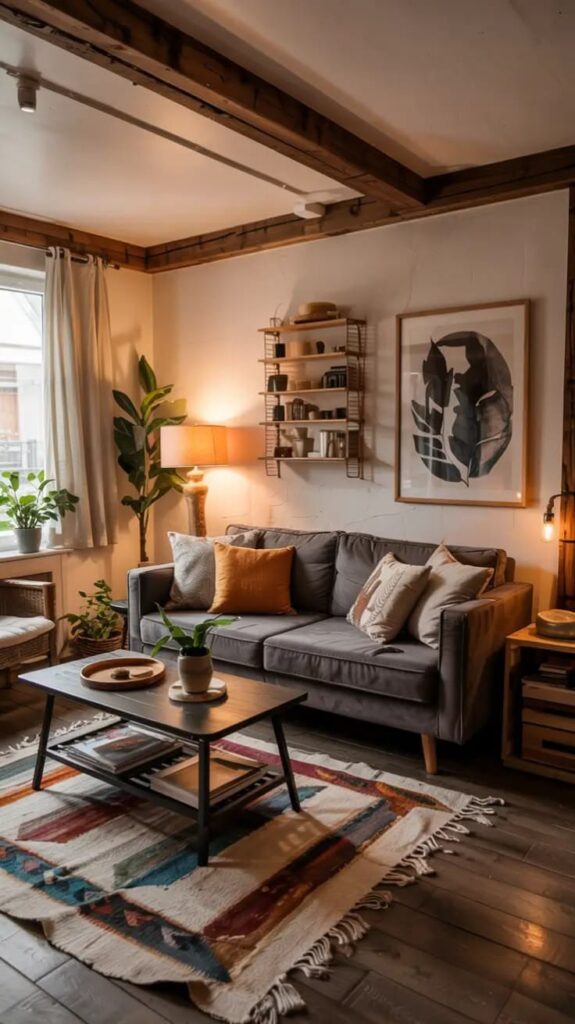
The Japanese philosophy of Wabi-sabi, which finds beauty in imperfection, is influencing material choices. Handmade tiles, reclaimed wood, and textiles with visible craftsmanship are prized for their uniqueness and the sense of soul they bring to a home . This trend also supports sustainability, as it encourages repurposing furniture and buying high-quality, artisan-made pieces that will last for generations rather than disposable “fast furniture.”
7. Natural Stone and Subtle Patterns
In kitchens and baths, natural stone remains the king of materials, but the preference is shifting toward slabs with quiet, subtle drama. Quartzite and marble with soft veining in greens, browns, and golds are being chosen over high-contrast patterns . These stones pair beautifully with warm wood cabinetry and earthy paint colors.
When it comes to patterns, checkerboard is making a stylish comeback. While the classic black and white is always chic, designers are introducing sophisticated new pairings like sage green with cream or burgundy with ivory in entryways, bathrooms, and even kitchens . This pattern adds a playful yet elegant touch to the home.
Bringing It All Together
The home interior trends of 2026 all point to one central idea: your home should be a reflection of you. It is a year for embracing color, prioritizing comfort, and investing in quality pieces that will stand the test of time. Whether you choose to drench your bedroom in a deep shade of green or add a curved sofa to your living room, the goal is to create a space that feels personal, restorative, and undeniably welcoming.