Introduction
In an increasingly digital and urbanized world, Americans are spending more than 90% of their time indoors. This disconnect from the natural environment has been linked to increased stress, reduced creativity, and a general decline in mental well-being. In response, a powerful design philosophy is taking root across the United States, from high-rise condos in Chicago to suburban homes in Texas. It’s called Biophilic Design, and it seeks to reconnect us with nature by integrating it directly into our built environments. More than just putting a few plants in a room, biophilic design is a holistic, evidence-based approach that uses natural elements to create spaces that are restorative, productive, and deeply calming. It’s based on the biophilia hypothesis, which suggests that humans possess an innate tendency to seek connections with nature and other forms of life. This article will explore the core principles of biophilic design and offer practical, actionable strategies to transform your home into a sanctuary that nourishes your mind, body, and spirit.
The Core Principles of Biophilic Design
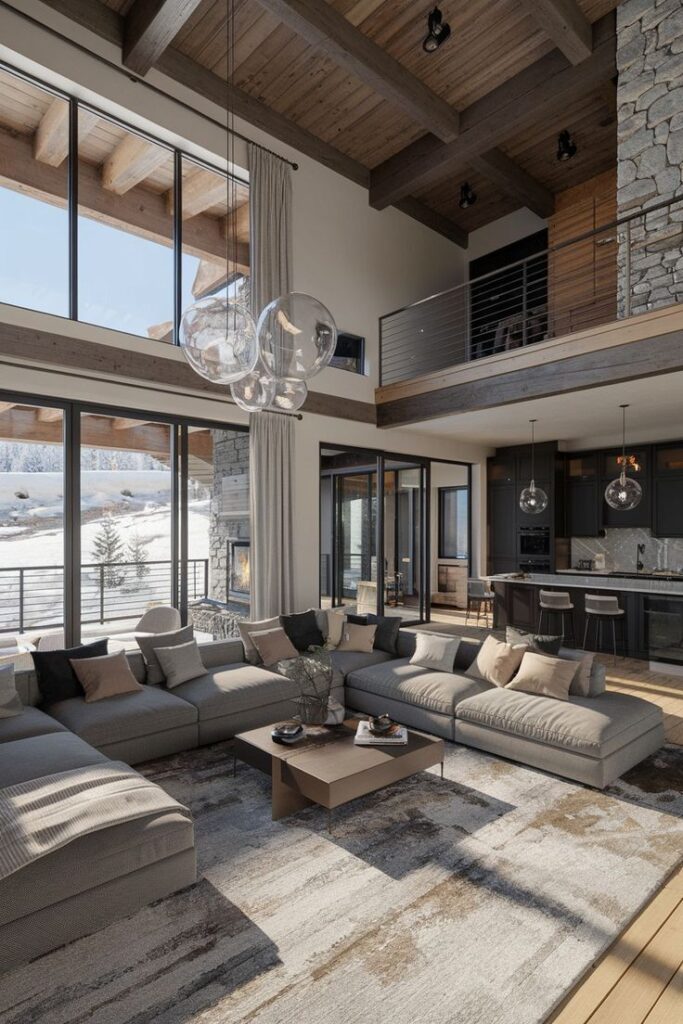
Biophilic design is structured around three main pillars: direct experience of nature, indirect experience of nature, and the experience of space and place. Direct experience involves bringing actual natural elements into your home. This is the most obvious pillar and includes things like indoor plants, natural light, fresh air, and water features. Indirect experience refers to the use of materials, colors, and patterns that evoke nature. This can include wood and stone finishes, organic shapes, nature-inspired artwork, and colors like sky blue, leafy green, and earthy brown. The third pillar, the experience of space and place, is about creating a sense of refuge, prospect, and mystery. This involves designing spaces that feel safe and protected (refuge), offer views and vistas (prospect), and have a sense of discovery, like a winding path or a view that isn’t fully revealed at first glance (mystery). When these three pillars are combined, they create an environment that subconsciously reduces stress and enhances cognitive function.
Maximizing Natural Light and Air
The most fundamental and impactful biophilic intervention is optimizing a home’s connection to the outdoors through light and air. Natural light is a powerful regulator of our circadian rhythms, which control our sleep-wake cycles. To maximize it, remove heavy window treatments and replace them with sheer linen curtains or blinds that can be fully opened. Strategically placed mirrors can help bounce light deeper into a room. For rooms with limited windows, consider installing tubular skylights or even investing in high-quality, full-spectrum light bulbs that mimic the color temperature of daylight.
Equally important is air quality and ventilation. Stale, recirculated air can contribute to headaches and lethargy. Opening windows regularly to create cross-ventilation is the simplest and most effective strategy. To enhance air quality further, incorporate plants known for their air-purifying qualities, such as snake plants, spider plants, and peace lilies. For a more high-tech solution, consider integrating a whole-home humidifier or a modern ventilation system that filters outdoor air, ensuring the air inside your home is as fresh and clean as a mountain breeze.
Incorporating Plants, Water, and Natural Materials
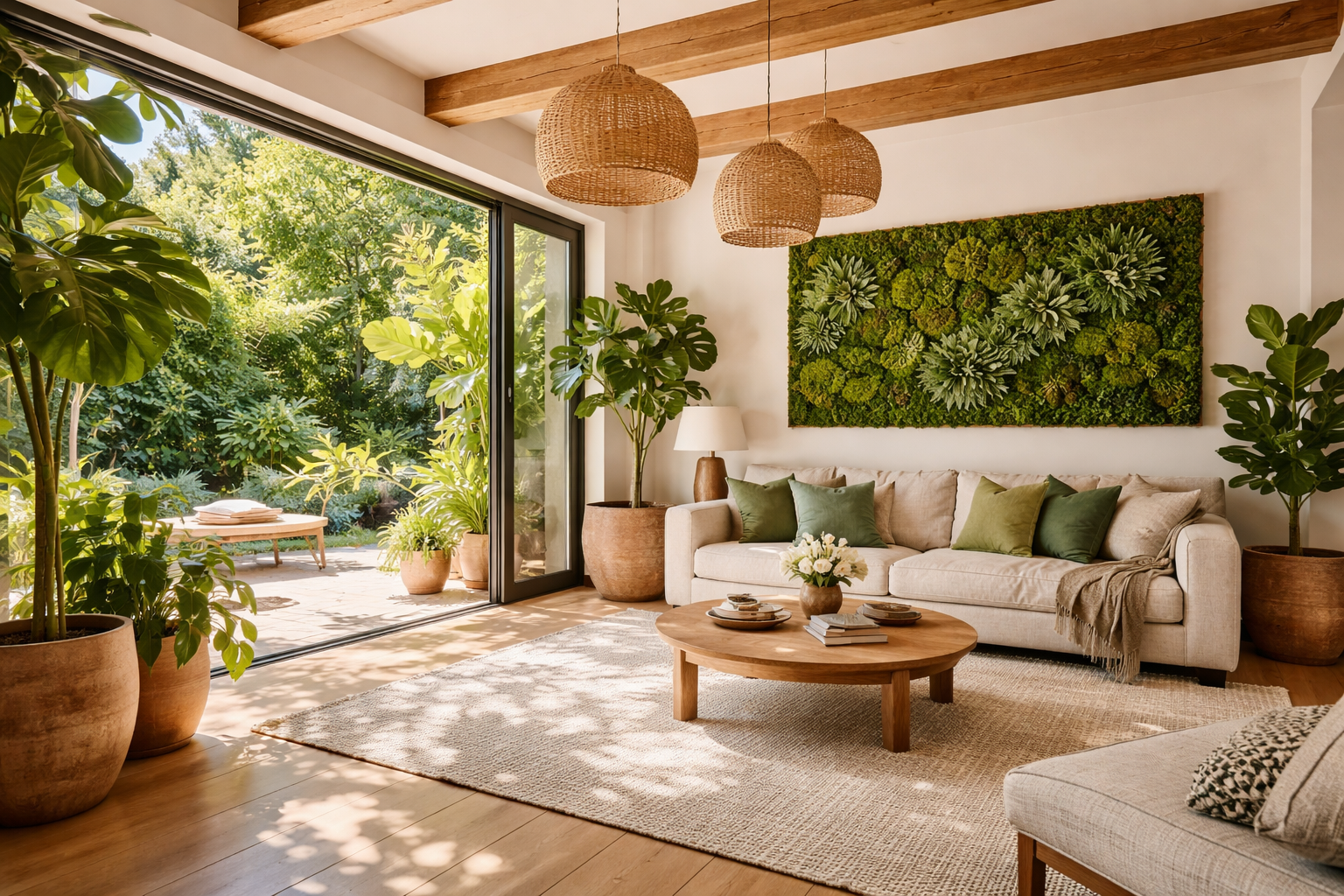
This is where biophilic design becomes tangible and visually rich. The use of plants should go beyond a single succulent on a desk. Think about creating living walls, clustering plants of varying heights and textures to create a mini indoor jungle, or using large statement trees like fiddle-leaf figs or bird of paradise to anchor a room. The goal is to make plants an integral part of the design, not just an afterthought.
The introduction of water can have a profound calming effect. The sound of moving water is inherently soothing. In a home, this could be achieved with a small tabletop fountain, a recirculating water feature in an entryway, or even a more ambitious indoor or outdoor koi pond.
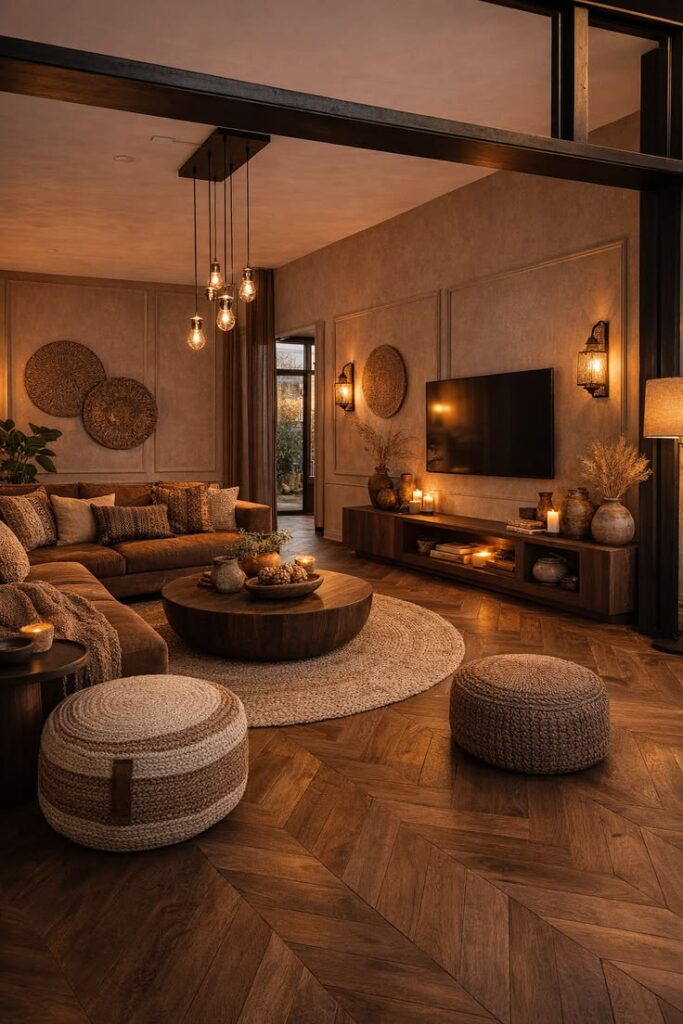
Finally, the materials you choose should feel organic. Prioritize natural stone, unsealed wood, bamboo, cork, and wool. These materials not only look natural but also have varied textures and often emit subtle, natural scents that further strengthen the connection to the outdoors. Avoid using synthetic materials that mimic natural ones; the authenticity of the material is key to the biophilic effect. A solid oak table will have a much different impact than a laminate one printed with an oak grain.
Creating Views and Visual Connections
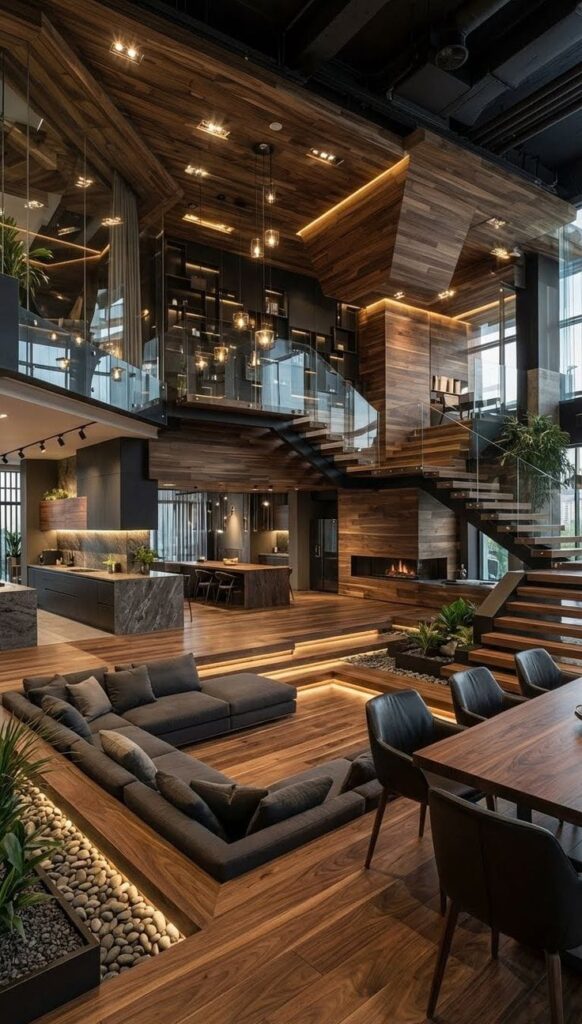
You don’t need to live in a forest to benefit from biophilic design. Creating visual connections to nature is about framing the outdoors as art. If you are fortunate to have a garden or a tree-lined street, arrange your furniture to face these views. Make the window itself a feature by using minimal window treatments. For homes without a scenic view, you can create your own. A carefully curated interior courtyard, a balcony filled with lush planters, or even a strategically placed bird feeder outside a window can serve as a dynamic, living view.
Within the home, the principle of “visual connection” can also be applied to the layout. Creating sightlines that allow you to see from one room to another, particularly if those spaces incorporate natural elements, can make a home feel more expansive and connected. The principle of “mystery” can be introduced by creating views that are partially obscured, encouraging exploration. For example, a set of open shelving with plants that partially blocks a full view into a room creates a sense of intrigue and discovery, mimicking the experience of walking through a natural landscape.
Conclusion
Biophilic design represents a fundamental shift in how we think about our homes. No longer just a backdrop for our lives, our homes are being recognized as powerful tools for enhancing our health, mood, and cognitive performance. By consciously integrating natural light, fresh air, living plants, water features, and organic materials, American homeowners can counteract the stresses of modern life and create spaces that are not only beautiful but also genuinely restorative. Whether you make a small change by adding a few air-purifying plants or undertake a larger renovation to maximize natural light, embracing biophilic principles is an investment in your most valuable asset: your well-being.