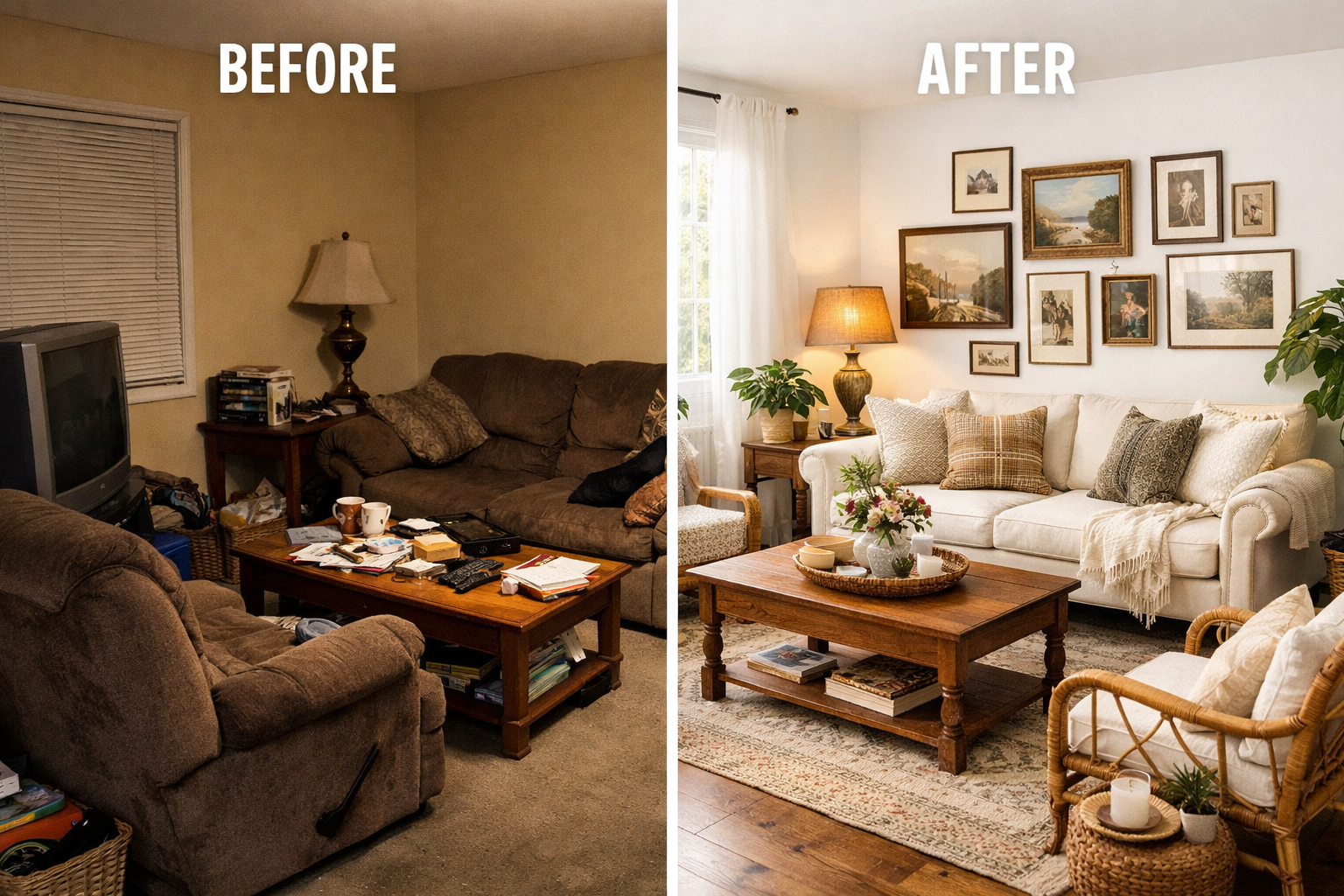
Let’s face it: scrolling through perfectly curated interior design accounts on Instagram can be inspiring, but it can also be financially intimidating. Between marble countertops, custom cabinetry, and designer furniture, achieving a magazine-worthy home seems like a distant dream reserved for the wealthy. But here’s the secret the design world doesn’t always tell you: luxury is an effect, not a price tag.
With a little creativity, strategic planning, and some weekend elbow grease, you can transform your home into a stylish sanctuary without draining your savings account. Whether you’re a first-time homeowner in Texas or a renter in a high-cost city like Seattle, these budget-friendly design strategies will help you live luxuriously for less.
1. The Magic of Paint: Your Most Powerful Tool
If you have $50 to spend on a room transformation, spend it on paint. There is no other home improvement product that delivers such dramatic results for such a low cost. A fresh coat of paint can modernize a space, make it feel larger, and completely shift its mood.
High-end trick: Don’t just paint the walls. For a truly luxe look, consider painting the ceiling the same color as the walls (a technique called “color drenching,” as discussed in our first article). This creates a cocooning effect that feels intentional and expensive.
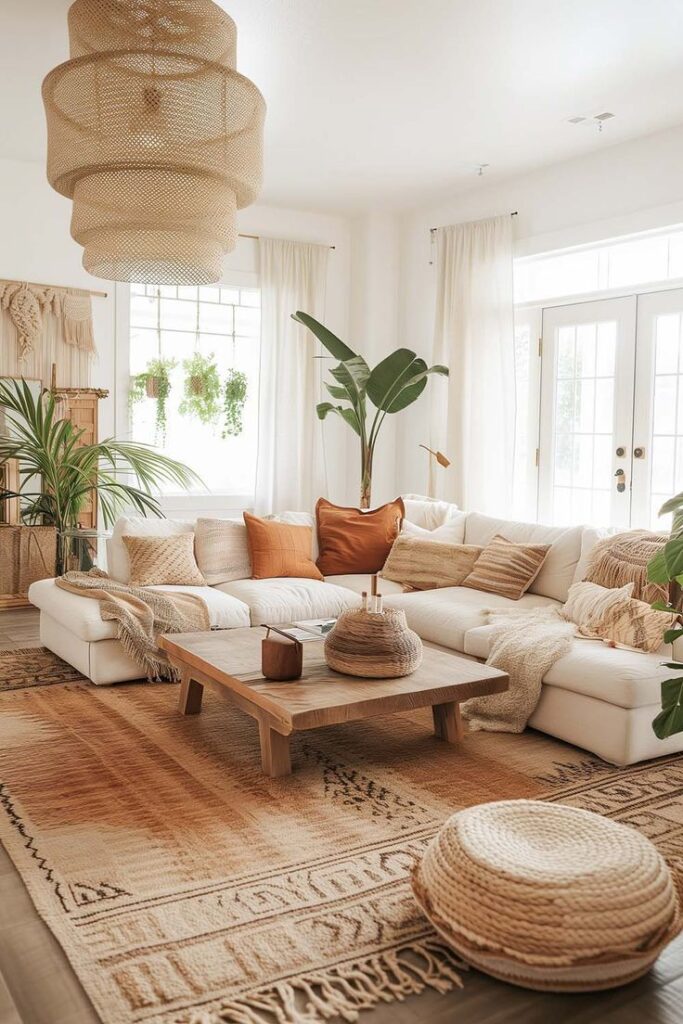
Painting outdated kitchen cabinets is another game-changer. If your cabinets are structurally sound but aesthetically stuck in the 1990s, a weekend of sanding and painting can save you tens of thousands of dollars on a full kitchen remodel. Opt for classic colors like navy, charcoal, or a soft sage green for a timeless, high-end look.
2. Hardware: The Jewelry of Your Home
Think of cabinet pulls, drawer handles, and faucets as the jewelry for your home. Just as a simple black dress is elevated by a statement necklace, basic cabinetry is transformed by stunning hardware.
Replacing dated, brass knobs or cheap plastic pulls with modern finishes can instantly update a kitchen or bathroom. Matte black, unlacquered brass, and brushed nickel are currently popular choices that add a touch of sophistication.
This is an incredibly satisfying DIY project. All you need is a screwdriver and a measuring tape to ensure your new hardware fits the existing holes. For a standard kitchen with 20-30 drawer pulls, you can complete this upgrade for under $200—a fraction of the cost of new cabinets.
3. Secondhand and Vintage: Treasure Hunting
The rise of “fast furniture” has led to homes full of disposable, identical pieces. To create a home with character and soul, look to the past. Vintage and secondhand furniture offer superior craftsmanship, unique designs, and significantly lower prices.
Scout local estate sales, Facebook Marketplace, Craigslist, and thrift stores for solid wood furniture. A solid oak dresser from the 1960s, even with chipped paint, is often built better than anything you can buy new today.
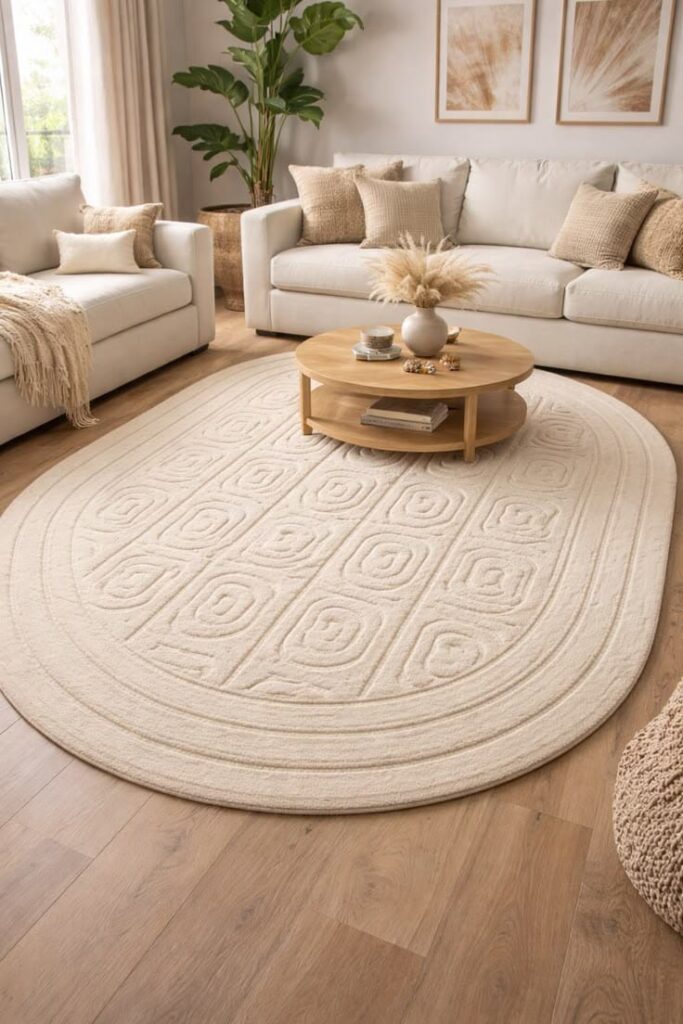
High-end trick: Learn to refinish. With some sandpaper, wood stain, and new hardware, you can transform a neglected thrift store find into a stunning, custom piece. Upholstery is trickier, but learning to reupholster a dining chair seat is a manageable beginner project that allows you to choose luxurious, expensive-looking fabric for a fraction of the cost.
4. Lighting: Set the Mood
Poor lighting can make the most expensive furniture look cheap, while good lighting can make a thrifted sofa look like a designer piece. Lighting is the atmosphere creator of your home.
Start by swapping out “boob lights” (those ubiquitous, flush-mount ceiling fixtures found in every rental and starter home). A modern pendant light or a stylish flush-mount fixture can be found for under $100 and instantly elevates a room.
Next, layer your lighting. A single overhead light creates harsh shadows. Add floor lamps in corners, table lamps on side tables, and perhaps a picture light over a piece of art. This creates depth and warmth. Dimmer switches are another inexpensive upgrade (under $20 per switch) that allow you to control the mood of a room from bright and energetic to soft and romantic.
5. The Power of Pillows and Throws
Texture is the secret ingredient of high-end design. Luxury homes feel luxurious because they engage the sense of touch. You can achieve this same effect with textiles.
Invest in a few high-quality throw pillows and blankets. Mix materials—think a chunky knit blanket, a velvet pillow, and a linen pillow all on the same sofa. This layering of textures creates visual interest and a sense of coziness that reads as expensive.
Stick to a cohesive color palette to avoid a chaotic look. If your sofa is neutral, use pillows to introduce accent colors from your overall room scheme. And remember: pillow inserts matter! Always buy inserts that are 2 inches larger than your cover to ensure a plump, luxurious look rather than a sad, deflated one.
6. Refresh Your Walls Beyond Paint
While paint is powerful, there are other ways to treat your walls that add architectural interest without a major renovation.
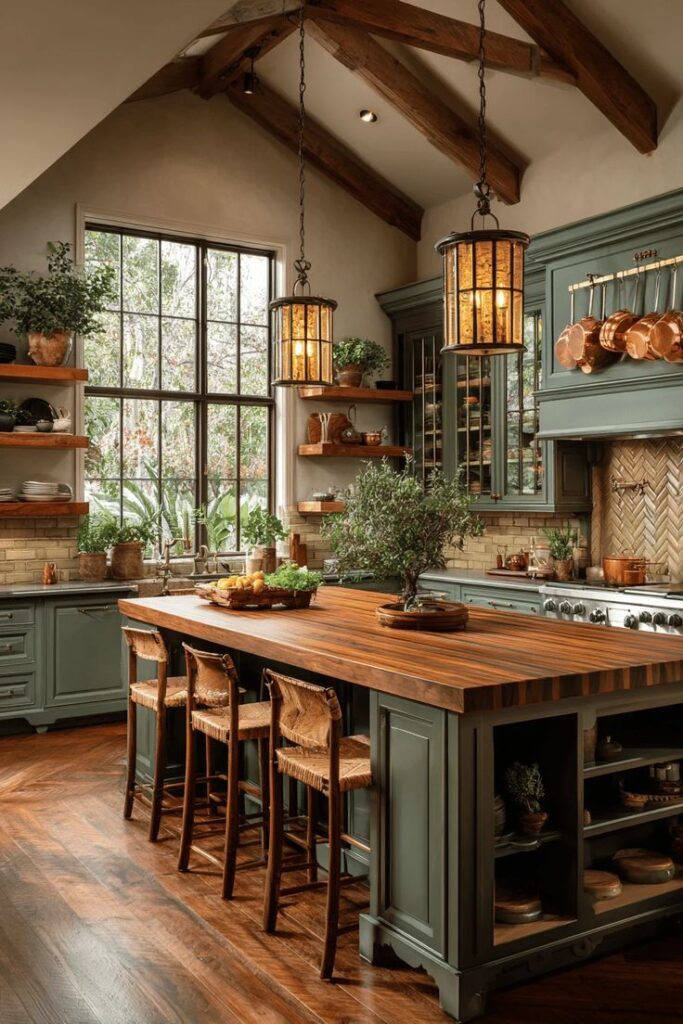
Peel-and-stick wallpaper has come a long way. It’s no longer just for renters; it’s a legitimate design tool for anyone wanting to add pattern to a space. Use it on a single accent wall, inside a bookcase, or even on the ceiling of a powder room for a dramatic “wow” moment. It’s removable and repositionable, making it low-risk.
Another budget-friendly option is molding and trim. Adding simple chair rails, picture frame molding, or board-and-batten to a plain wall can add incredible character. This project requires a miter saw and some patience, but the materials themselves are relatively inexpensive. A coat of paint over the new molding ties it all together for a built-in, custom look.
7. Declutter and Style: The “Free” Makeover
The most budget-friendly makeover of all costs nothing but time: decluttering and styling. A cluttered room will never look luxurious, no matter how much money you spend.
Go through each room and remove anything that doesn’t belong. Clear off kitchen counters, leaving only a few beautiful, functional items (like a wooden cutting board and a jar of utensils). Style your coffee table with a stack of books and a small tray. Edit your bookshelves, leaving breathing room between objects so each piece can be appreciated.
This process, often called “curating,” is what separates a house from a home. It allows your eye to rest and appreciate the beauty of the space and the objects you’ve chosen to keep.
8. Bring the Outdoors In
Plants are the ultimate budget-friendly luxury accessory. They add life, color, and texture to a space, and studies have shown they improve air quality and mental well-being.
You don’t need a green thumb or expensive specimens to make an impact. Hardy plants like snake plants (sansevieria), pothos, and ZZ plants are nearly impossible to kill and thrive in various light conditions. Group plants together at varying heights (use stacks of books or plant stands) to create a lush, curated indoor garden.
Fresh flowers from a grocery store, arranged in a simple vase, also add an instant touch of elegance and freshness to any room.
Your Dream Home is Closer Than You Think
Achieving a beautiful home isn’t about how much money you spend; it’s about how thoughtfully you make choices. By focusing on these high-impact, low-cost strategies—paint, hardware, vintage finds, lighting, and styling—you can create a space that feels luxurious, personal, and inviting, all while keeping your budget intact.
Start with one room, one weekend project, and watch your home transform.