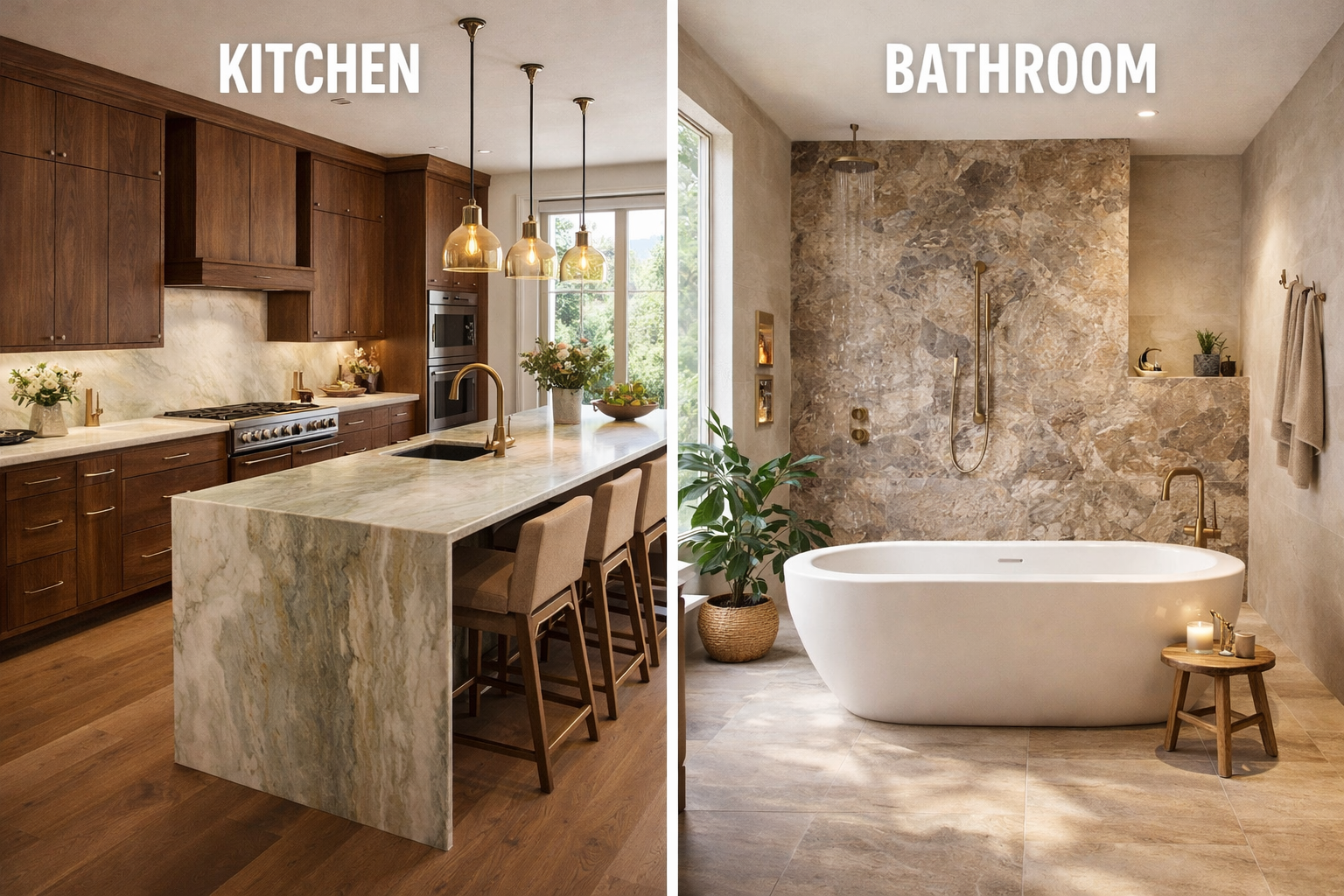
In the world of real estate and interior design, kitchens and bathrooms reign supreme. They are the most used rooms in any home, the most expensive to renovate, and the spaces that offer the highest return on investment when it’s time to sell. But beyond the financials, these are the rooms where we start our day and gather with loved ones.
As we move through 2026, the way Americans approach kitchen and bath design is evolving. The sterile, all-white laboratory kitchens and bland builder-grade bathrooms are being replaced by spaces rich with texture, warmth, and personality. Here are the trends transforming the most important rooms in your US home.
1. The Kitchen: From Showroom to Living Room
For decades, kitchen design focused on efficiency and the “work triangle.” Today, the kitchen has become the true heart of the home—a place for gathering, working, and socializing. This shift is driving the move toward “resimercial” design, blending the durability of commercial spaces with the comfort of residential living.
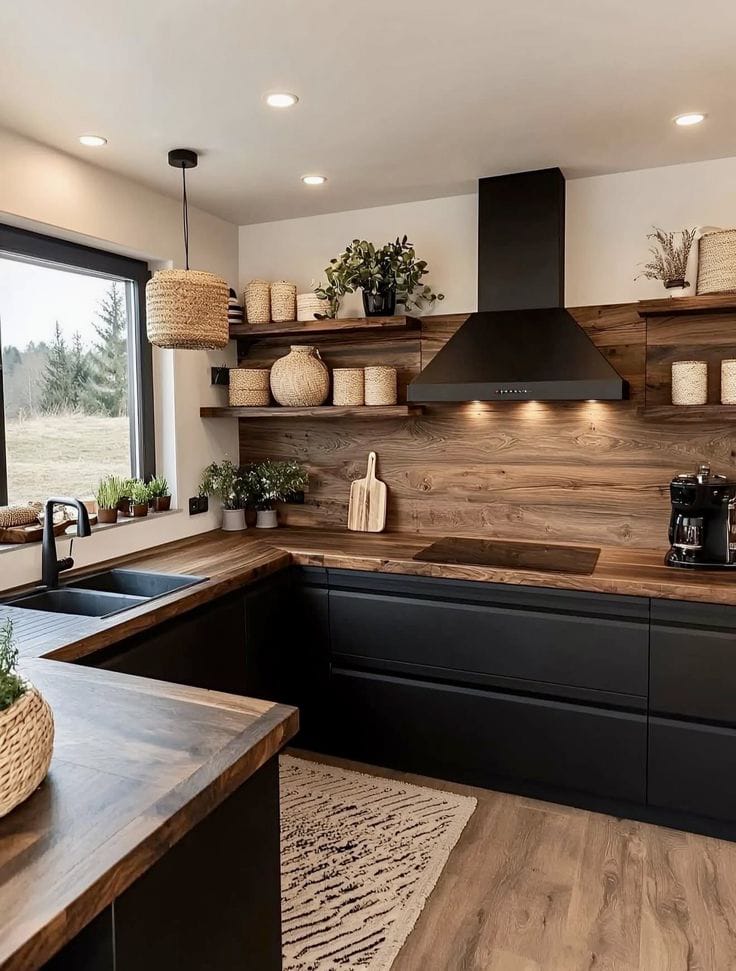
Gone are the upper cabinets that box in a room. In their place, we’re seeing open shelving, glass-front cabinets, and statement hoods that become focal points. This creates a more open, airy feel and encourages homeowners to display beautiful dishware rather than hide it away.
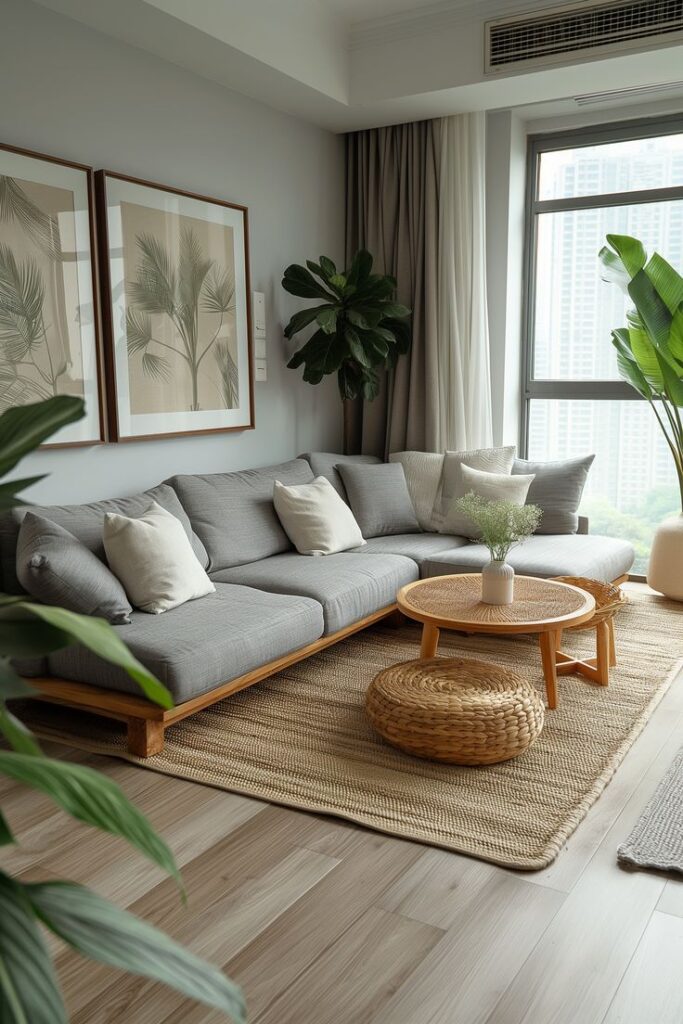
Warm wood tones are making a major comeback in cabinetry. While painted cabinets remain popular, rich walnut, oak, and cherry are being used for islands or lower cabinets, paired with lighter uppers to maintain balance. This bi-tonal approach adds depth and visual interest .
2. Statement Islands and Mixed Metals
The kitchen island has evolved from a simple workspace to the command center of the home. In 2026, islands are getting bigger, bolder, and more functional. Waterfall countertops, where the stone continues down the sides of the island, create a sculptural, high-end look.
But the real trend is in the details: mixed metals. Designers are moving away from matching every fixture and embracing contrast. Imagine brushed brass cabinet pulls, a matte black faucet, and a stainless steel range hood all in the same kitchen. This curated mix adds depth and prevents the space from feeling too “matchy-matchy” or sterile .
3. The Return of the Range
In the battle between cooktops and ranges, the freestanding range is winning. Specifically, statement ranges in bold colors or professional styles are becoming the jewelry of the kitchen. A vibrant blue La Cornue or a classic red AGA range serves as an instant focal point, eliminating the need for much other decoration.
For those not ready to invest in a high-end range, a pro-style hood can achieve a similar effect. Custom hoods clad in tile, wood, or even copper are becoming popular features that draw the eye and add architectural interest .
4. Quartzite Over Quartz
For years, quartz countertops dominated the market due to their durability and low maintenance. However, as homeowners seek more natural and unique aesthetics, quartzite is overtaking quartz in popularity.
Quartzite is a natural stone that offers the durability of granite with the ethereal beauty of marble—including the veining that designers covet. Unlike marble, it’s resistant to etching and heat. While it requires more maintenance than quartz (periodic sealing), its unique patterns and organic feel are worth the extra effort for design enthusiasts .
5. The Bathroom: Your Personal Spa
The bathroom has undergone perhaps the most significant philosophical shift of any room in the house. No longer just a utilitarian space, it’s now viewed as a personal wellness retreat. This trend, accelerated by the focus on mental health, is here to stay.
“Me-time” is the driving force behind bathroom design. Homeowners are carving out space for luxurious soaker tubs (separate from the shower), steam systems, and even saunas where space allows . The goal is to create a sensory experience—a place to decompress from the stresses of modern life.
6. Wet Rooms and Curbless Showers
One of the most significant architectural trends in bathrooms is the rise of the wet room. Popular in Europe for years, this design eliminates barriers entirely. The entire bathroom floor is waterproofed, and the shower area is open or separated only by a glass panel, not a step or curb.
This creates a seamless, expansive look that makes even small bathrooms feel larger. Curbless showers are also inherently accessible, appealing to aging homeowners and those planning to stay in their homes long-term (aging in place) .
When combined with large-format tiles or heated floors, the effect is undeniably luxurious. Minimal grout lines mean less cleaning and a more streamlined aesthetic.
7. Natural Materials and Organic Textures
Just as in the rest of the home, bathrooms are shedding their cold, clinical appearance in favor of warmth and texture. Natural materials are taking center stage.
Think limewash paint on walls for a textured, ancient feel. Think zellige tiles—handmade Moroccan tiles with slight variations in color and texture that catch the light beautifully. Wood-look porcelain tiles offer the warmth of wood with the water resistance required in a bathroom. Stone vanities and concrete sinks add an earthy, grounded element.
This embrace of nature extends to color palettes as well. Soft greens, warm terracottas, and sandy beiges are replacing stark white, creating a calming, organic atmosphere .
8. Freestanding Tubs and Furniture-Like Vanities
If there’s one piece that defines the luxury bathroom, it’s the freestanding soaking tub. Whether sculptural and modern or classic claw-foot, a freestanding tub acts as art in the room. It doesn’t need to be against a wall; placing it near a window or in the center of the space creates a dramatic focal point.
Vanities are also getting a makeover. The bulky, built-in vanity is being replaced by furniture-like pieces—actual dressers or consoles that have been retrofitted with sinks. This adds character and warmth, making the bathroom feel like an extension of the bedroom rather than a sterile utility room .
9. Smart Technology Meets Luxury
Technology in kitchens and bathrooms is becoming more sophisticated and seamless. In the kitchen, smart faucets that turn on with a wave (keeping germs at bay) and refrigerators that help with meal planning are becoming standard.
In the bathroom, the smart toilet is having a moment. Popular in Japan for decades, these high-tech toilets with heated seats, bidet functions, and warm air dryers are finally gaining widespread acceptance in the US. Heated floors, once a luxury, are now a highly desired feature in new bathroom renovations, adding a touch of daily comfort that homeowners never want to live without .
10. Universal Design: Beauty for All Ages
Finally, the concept of “aging in place” is influencing design choices. Universal design principles—creating spaces that are accessible to people of all ages and abilities—don’t have to look clinical.
In practice, this means choosing lever handles over knobs (easier for arthritic hands), installing curbless showers (wheelchair accessible), and ensuring doorways are wide enough. These features add long-term value and ensure that your home remains comfortable and safe for decades to come, all while maintaining a beautiful, design-forward aesthetic .
Investing in Your Home’s Future
Whether you’re planning a full gut renovation or simply updating fixtures, these trends offer a roadmap to creating kitchens and bathrooms that are not only beautiful but also functional and future-proof. By prioritizing warmth, natural materials, and wellness-focused features, you can transform these essential spaces into the true heart of your home