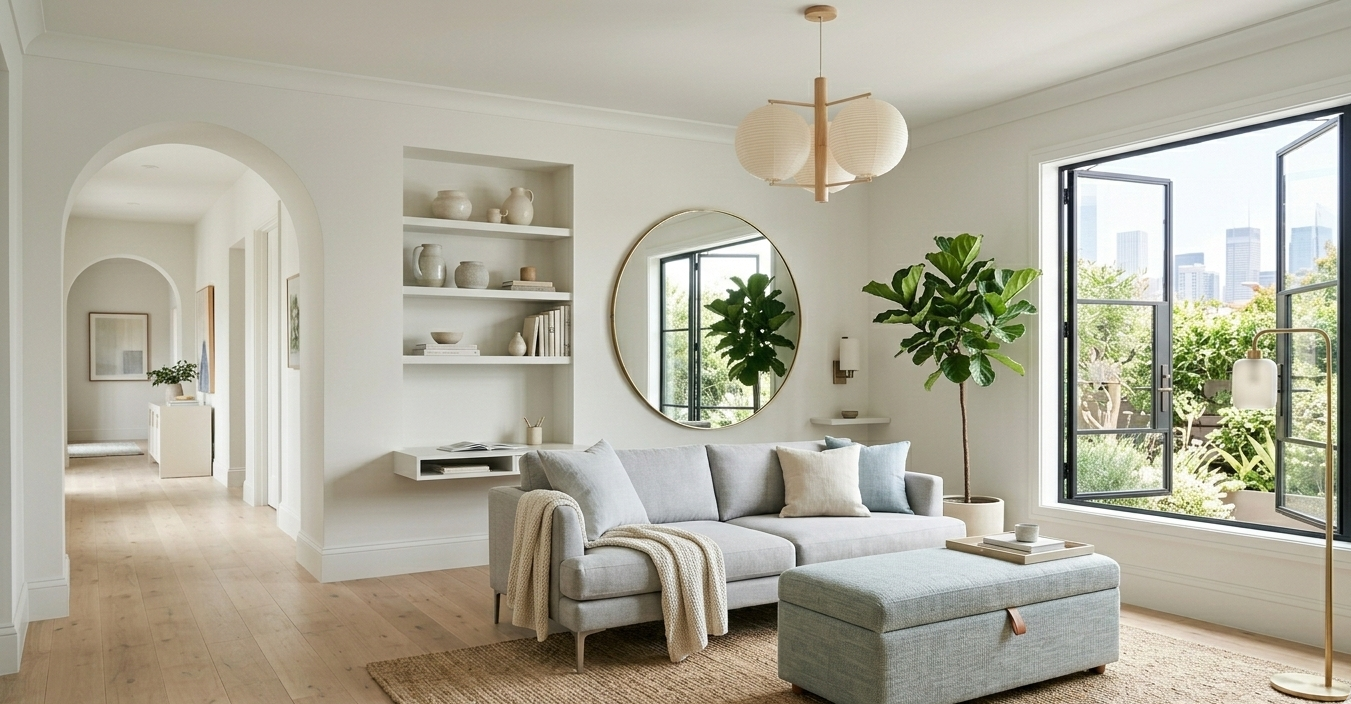
Space is the ultimate luxury in modern American homes. With the average cost per square foot continuing to rise across the US, from bustling New York apartments to cozy California bungalows, homeowners and renters alike are facing the same challenge: how to live large in a small footprint. The good news? With the right interior design strategies, you can transform even the most compact space into a functional, stylish, and airy haven.
Gone are the days when small spaces meant sacrificing style for function. Today’s innovative design solutions prove that limitations can breed incredible creativity. Here are the essential strategies for maximizing your square footage without compromising on aesthetics.
1. The Power of Multi-Functional Furniture
In small-space living, every piece of furniture must earn its keep. The era of single-purpose items is over; the future belongs to smart, adaptable pieces that transform based on your needs.
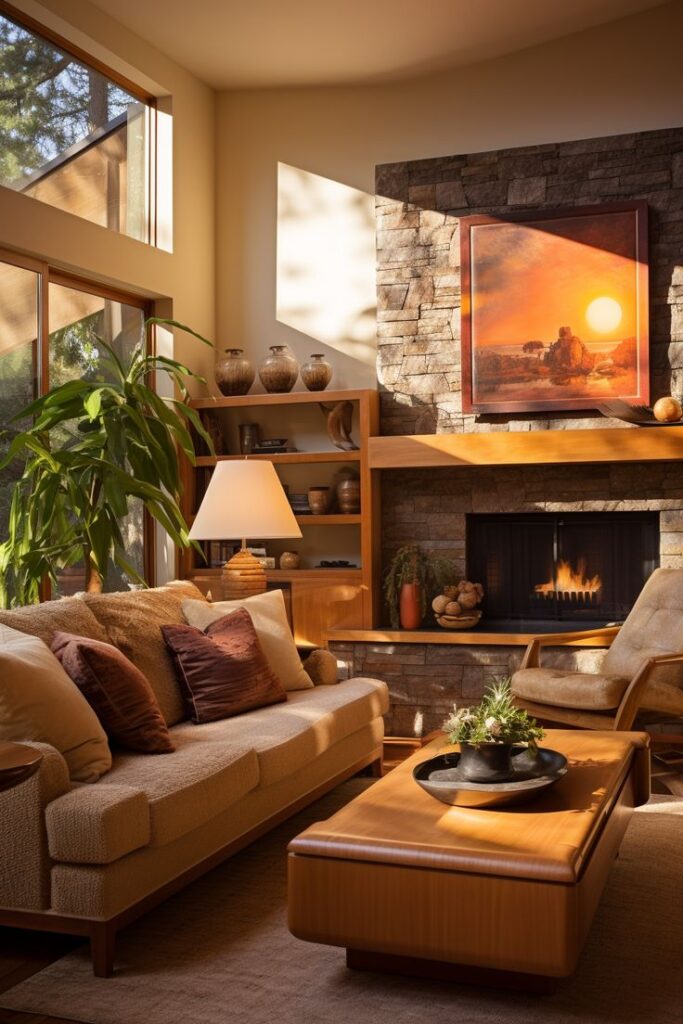
Consider a console table behind your sofa that doubles as a home office desk when you pull up a stool. Or a coffee table that lifts to become a dining table for four. Murphy beds have undergone a major style revolution—today’s versions are no longer the squeaky, dorm-room eyesores of the past. High-end, wall-mounted beds now integrate seamlessly with built-in shelving, allowing a bedroom to transform into a living room or home gym during the day .
Storage ottomans are another unsung hero of small spaces. They provide seating, a footrest, and hidden storage for blankets or magazines all in one compact package. When shopping for furniture, look for pieces with hidden compartments or modular designs that can be reconfigured as your needs change .
2. Vertical Thinking: Use Your Walls Wisely
When floor space is at a premium, the only way to go is up. Vertical storage is the secret weapon of interior designers working with small footprints. By drawing the eye upward, you also create the illusion of higher ceilings, making the entire room feel more expansive.
Floor-to-ceiling shelving units or built-ins are worth their weight in gold. They provide immense storage without taking up valuable floor area. In kitchens, install magnetic knife strips and hanging pot racks to free up cabinet space. In home offices, floating shelves above your desk keep supplies accessible while maintaining a clean, uncluttered look.
Don’t forget about the often-wasted space above doorways. A custom shelf running above the door frame can be the perfect spot for displaying artwork, plants, or storing rarely-used items.
3. The Illusion of Light: Mirrors and Glass
Light is the number one tool for making a small space feel larger. Strategic use of mirrors can amplify natural light and create visual depth. Placing a large mirror directly across from a window will reflect the outdoors and double the amount of light in the room.
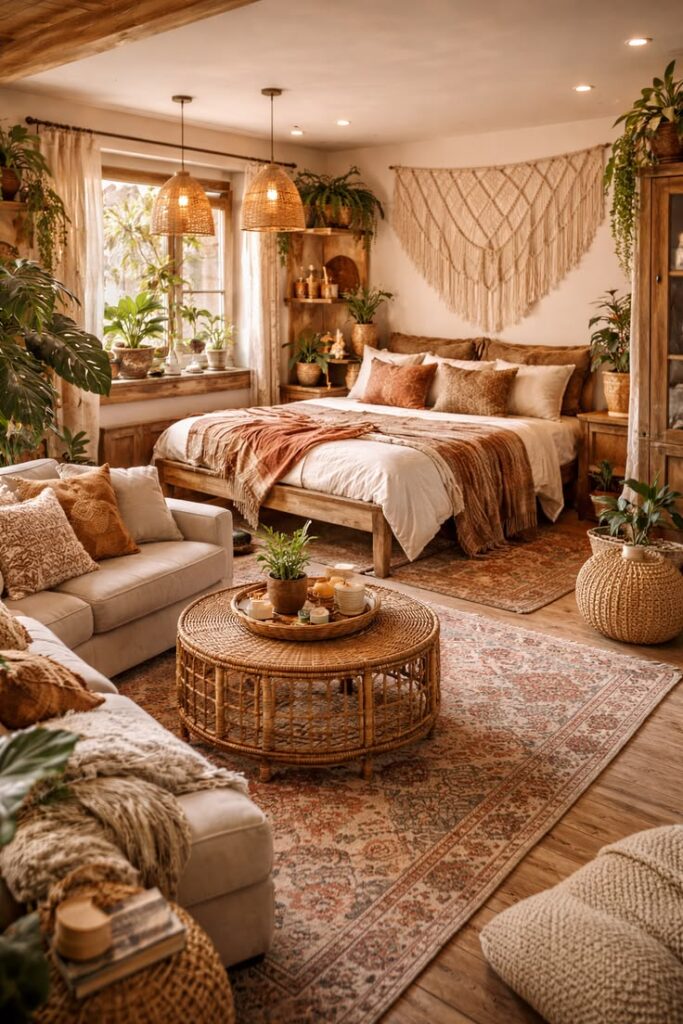
Mirrored furniture is also making a comeback. A mirrored coffee table or cabinet reflects light and visually “disappears,” taking up less visual space than a solid wood piece.
Similarly, replacing solid doors with glass alternatives can transform a home. A glass-paneled office door allows light to flow from the room into the hallway, while a glass shower enclosure (rather than a curtain or frosted door) makes a bathroom feel significantly more open. In interior design terms, this removal of visual barriers is known as creating a sense of fluidity between spaces .
4. Zoning Without Walls
Open-concept living is wonderful for flow, but it can leave you feeling like your living room, dining area, and kitchen are all competing for attention. The solution is to create distinct “zones” without erecting physical walls.
Area rugs are your best friend here. A well-placed rug anchors a seating area and defines it as separate from the dining space, even in the same room. Lighting also plays a crucial role. A pendant light hung low over a dining table creates an intimate zone, while a floor lamp in the corner establishes a cozy reading nook.
Furniture placement is equally important. Floating furniture away from the walls—even just by a few inches—can paradoxically make a room feel larger and create defined pathways. A sofa placed in the center of the room can act as a subtle divider between the living and dining zones .
5. Embrace Minimalism (But Make it Warm)
Clutter is the enemy of small spaces. When every surface is covered, the room feels chaotic and cramped. This doesn’t mean you have to live in a stark, minimalist cell, but it does require a commitment to curated living.
Adopt a “one in, one out” policy: for every new item you bring home, one old item must be donated or sold. Invest in beautiful, concealed storage solutions—baskets, decorative boxes, and lidded bins—to keep everyday clutter out of sight.
However, a small space shouldn’t feel sterile. To avoid the “cold” minimalism of the past, layer in texture and warmth. A chunky knit throw, velvet cushions, or a shag rug add tactile interest without adding visual clutter. This approach, often called “warm minimalism,” focuses on keeping only what you love and need, ensuring every item earns its place .
6. Scale and Proportion Matter
One of the most common mistakes in small-space design is choosing furniture that is too large for the room. A massive, overstuffed sectional will dwarf a small living room, making it feel like a furniture showroom rather than a home.
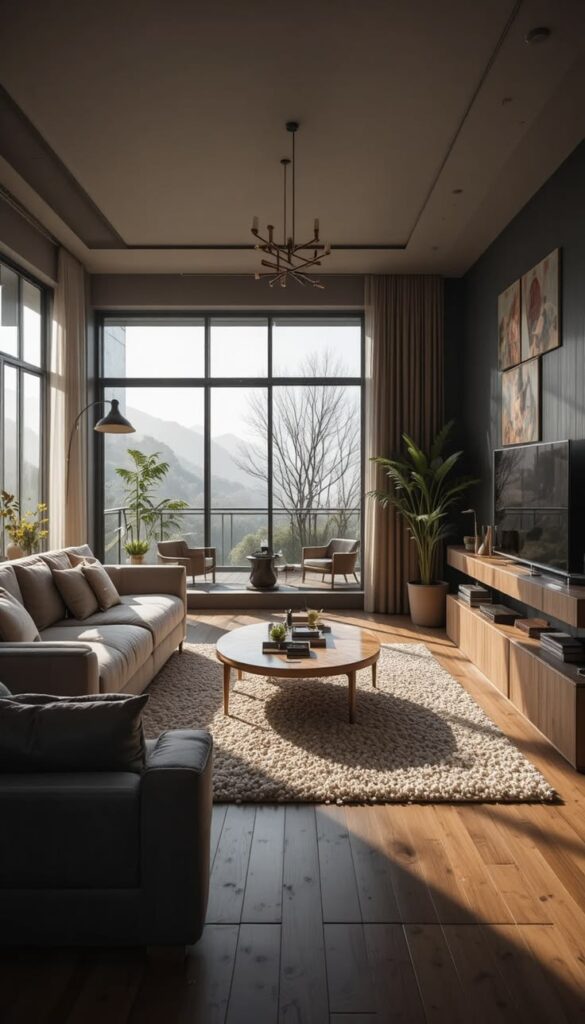
Instead, look for pieces with a lighter visual weight. Sofas with exposed legs (rather than those that go all the way to the floor) create a sense of airiness. Armless chairs and slender-profile tables take up less visual space. Transparent materials like acrylic or glass for coffee tables and dining chairs can also be a game-changer—they provide function without blocking the view, allowing the eye to travel through the space uninterrupted .
7. The Gallery Wall: Curated, Not Crammed
Art is essential for adding personality, but in a small space, a scattering of tiny frames can look messy. The solution is the gallery wall—but with a thoughtful approach.
Instead of covering every inch, choose one prominent wall and create a cohesive gallery. Using frames of the same color (like all black or all natural wood) creates a unified look that reads as a single art installation rather than random clutter. This approach allows you to display your personality while maintaining a sense of order.
Alternatively, if you love large-scale art, one oversized piece can make a powerful statement and actually make a room feel larger by drawing the eye and creating a focal point.
8. Don’t Forget the Entryway
In many small homes, the entryway is an afterthought—often just a spot where mail and shoes pile up. However, this “drop zone” sets the tone for the entire home. A cluttered entry makes the whole house feel chaotic.
Even a narrow hallway can accommodate a slim console table or a wall-mounted shelf. Add a small bowl for keys, a hook for bags, and a mirror for last-minute checks. This creates a functional and welcoming transition into your home, preventing clutter from migrating into your living spaces .
Small Space, Big Life
Living in a small home doesn’t mean living small. It means being intentional about your choices and creative with your solutions. By embracing multi-functional furniture, vertical thinking, and a curated aesthetic, you can create a home that feels spacious, stylish, and perfectly tailored to your life.
Remember, the goal isn’t to fit more stuff into your home—it’s to make room for more life.