Introduction: When Tech Meets Comfort in the American Home
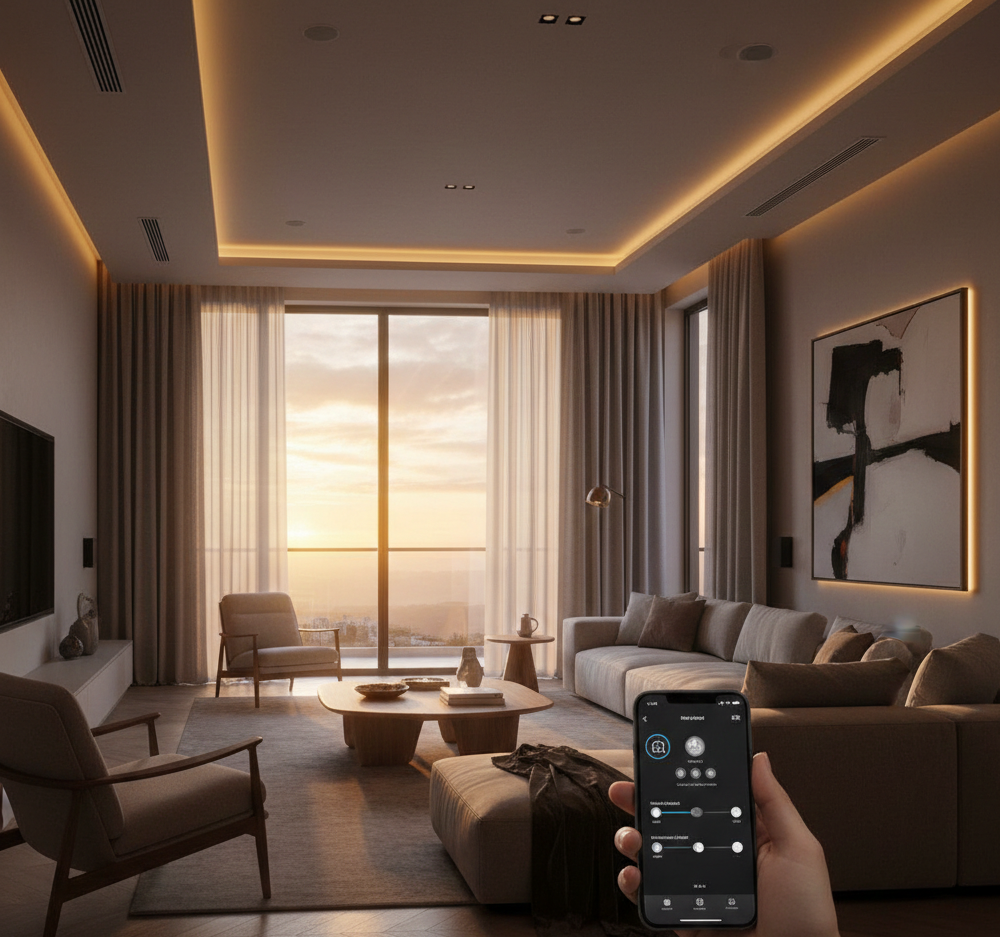
The 21st-century American home is undergoing a quiet revolution—one where smart technology and beautiful design coexist in perfect harmony. From the tech hubs of Silicon Valley to traditional neighborhoods in New England, homeowners are discovering that automation doesn’t have to mean sacrificing style. This comprehensive guide explores how to integrate cutting-edge technology into your living spaces while maintaining the warmth, personality, and aesthetic appeal that define exceptional American interior design. We’ll navigate the balance between convenience and character, ensuring your home remains both intelligent and inviting.
The Evolution of Smart Homes in America
Smart home technology in the United States has evolved from novelty to necessity, with 67% of American homeowners now incorporating at least one smart device into their living spaces (Statista, 2024). What began with programmable thermostats has blossomed into comprehensive ecosystems that manage everything from security to entertainment. Today’s challenge isn’t finding smart devices—it’s integrating them so seamlessly that technology enhances rather than dominates your decor.
Principles for Aesthetic Tech Integration
1. The Hidden Technology Approach
The most sophisticated smart homes make technology invisible. Consider these approaches:
- Concealed Charging Stations: Built-in wireless charging pads in nightstands and coffee tables
- Hidden Hubs: Smart home controllers placed in decorative boxes or behind art
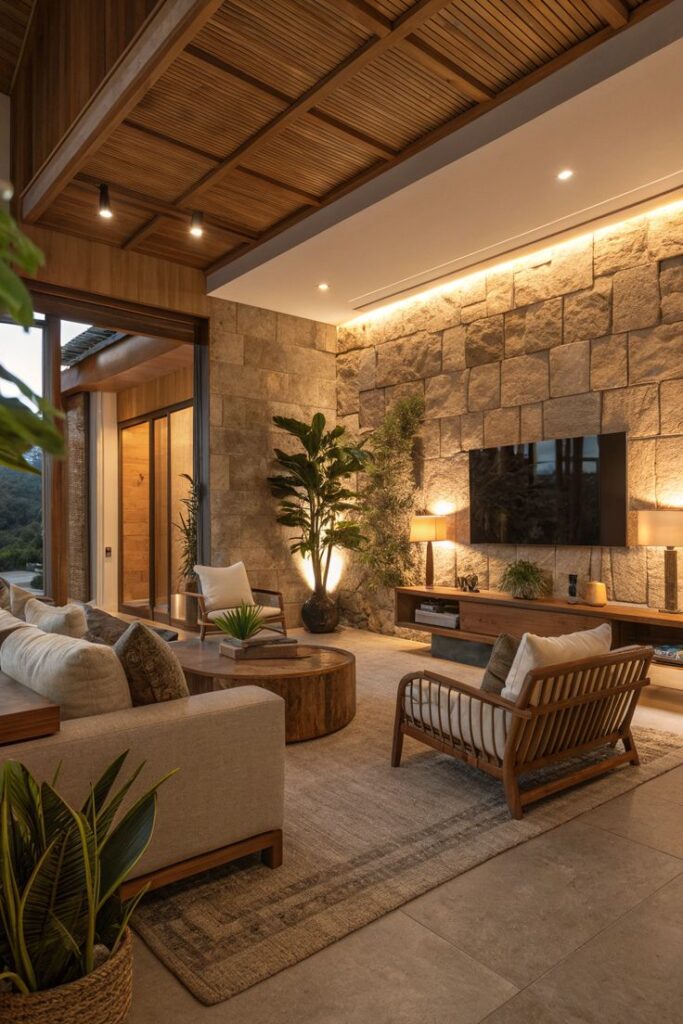
- Invisible Speakers: In-ceiling or in-wall audio systems that disappear into architecture
- Disguised Routers: Decorative boxes or cabinet storage for networking equipment
2. Color and Finish Coordination
Match your tech finishes to existing hardware:
- Matte Black Devices: Coordinate with black door handles and light fixtures
- Brushed Gold: Complement brass or gold cabinet hardware
- White and Neutral: Blend with trim and wall colors
- Custom Skins: Many smart devices offer interchangeable faceplates
3. Thoughtful Placement Strategies
Location matters as much as appearance:
- Voice Assistants: Place among books or decorative objects, not isolated on counters
- Smart Displays: Position in functional areas (kitchens, offices) where they blend with utilitarian items
- Sensors and Cameras: Choose minimalist designs that resemble decor elements
Room-by-Room Smart Design Solutions
The Living Room: Entertainment Meets Ambiance
Key Integrations:
- Frame TVs: Samsung’s The Frame or similar displays artwork when not in use
- Smart Lighting Systems: Hue or Lutron systems that adjust color temperature throughout the day
- Motorized Window Treatments: Silent-operating blinds that sync with sunrise/sunset
- Hidden Audio/Video: Soundbars disguised as shelves, in-wall speaker systems
Pro Tip: Create lighting “scenes” for different activities—”Movie Night” dims lights and closes blinds, while “Entertaining” creates warm, inviting illumination.
The Kitchen: High-Tech Heart of the Home
Essential Smart Kitchen Features:
- Smart Refrigerators: With internal cameras and recipe integration
- Voice-Controlled Appliances: Ovens, microwaves, and coffee makers
- Touchless Faucets: Motion-activated for hygiene and convenience
- Smart Storage: Inventory-tracking cabinets and temperature-controlled drawers
American Trend Alert: Many U.S. homeowners are choosing smart ovens that can be monitored remotely—perfect for busy families juggling multiple schedules.
The Bedroom: Intelligent Relaxation
Sleep-Optimizing Technology:
- Circadian Lighting: Systems that adjust color temperature to support natural sleep cycles
- Smart Mattresses: Temperature regulation and sleep tracking
- Automated Window Coverings: Blackout curtains that close at bedtime
- White Noise Machines: Integrated into smart speaker systems
Smart Home Systems That Disappear Into Decor
Lighting Solutions That Don’t Look “Techie”
Best Products for Discreet Integration:
- Lutron Caséta: Stylish switches that replace standard ones
- Philips Hue: Bulbs that work in existing fixtures
- Nanoleaf Elements: Wood-panel smart lighting that resembles decor
- Brilliant Control: Smart switches with custom images
Climate Control That Complements Design
Top Picks for Aesthetic Climate Control:
- Nest Learning Thermostat: Clean, circular design with customizable metal frames
- Ecobee Smart Thermostat: Slim profile with remote sensors
- Mysa Smart Thermostats: Specifically designed for baseboard heaters
Security That Doesn’t Look Like Security
Discreet Security Options:
- Ring Retrofit Kit: Converts existing doorbells to smart ones
- Blink Mini with Mount: Cameras that can be placed in decorative enclosures
- Eufy Security Smart Lock: Keypad that resembles standard hardware
Budget-Friendly Smart Home Integration
Cost-Effective Strategies:
- Start with Lighting: Smart bulbs are the most affordable entry point
- Use Smart Plugs: Convert existing lamps and appliances
- Choose Multi-Function Devices: Smart speakers that also control other devices
- Look for Sales: Major retailers offer smart home discounts during holiday seasons
Regional Tech Trends Across the USA
- West Coast: Full-home automation with emphasis on sustainability
- Midwest: Security-focused systems with practical daily applications
- Northeast: Energy efficiency and heating/cooling optimization
- South: Outdoor entertainment and pool/spa automation
- Southwest: Water conservation and sun protection systems
Future-Proofing Your Smart Home Design
Strategies for Long-Term Relevance:
- Choose Open Ecosystems: Systems that work with multiple platforms
- Opt for Wireless Where Possible: Easier to update than wired systems
- Install Conduit: For future wiring needs during renovations
- Select Modular Components: That can be individually upgraded
Privacy and Security Considerations
Essential Protections for American Homes:
- Separate Network: Create a dedicated network for smart devices
- Regular Updates: Enable automatic security updates
- Strong Authentication: Use two-factor authentication where available
- Local Storage: Choose devices with local storage options
- Transparent Policies: Select brands with clear privacy policies
Conclusion: The Art of Invisible Intelligence
The most successful smart homes in America aren’t those with the most gadgets—they’re homes where technology serves the people living there without becoming the center of attention. As we move forward in this connected age, the true mark of sophisticated home design will be spaces that feel intuitively responsive yet completely natural.
Your Smart Home Journey:
Start with one system that addresses your biggest pain point, then expand gradually. Remember that technology should solve problems, not create new ones. Whether you’re in a Manhattan apartment or a Texas ranch house, the principles remain the same: prioritize usability, maintain aesthetic harmony, and always keep the human experience at the center of your design decisions.
The future of American home design isn’t about choosing between technology and tradition—it’s about weaving them together so skillfully that you can’t tell where one ends and the other begins.