Introduction
As environmental awareness grows across the United States, more homeowners are seeking ways to reduce their ecological footprint. This consciousness has extended beyond recycling and energy conservation to the very heart of our homes: interior design. Sustainable interior design is no longer a niche concern but a mainstream movement, driven by a desire for healthier living spaces and a commitment to protecting the planet for future generations. But what exactly does sustainable design mean in practice? It is a holistic approach that considers the entire lifecycle of a product—from the sourcing of raw materials to manufacturing processes, transportation, longevity, and eventual disposal. It prioritizes health, using non-toxic materials that improve indoor air quality. And it champions quality over quantity, encouraging investments in durable, timeless pieces over disposable, trend-driven furnishings. In this article, we will explore the key principles of sustainable interior design and provide you with practical, stylish ways to make your American home more eco-friendly, proving that you don’t have to sacrifice beauty for responsibility.
Principle 1: Choose Sustainable, Non-Toxic Materials
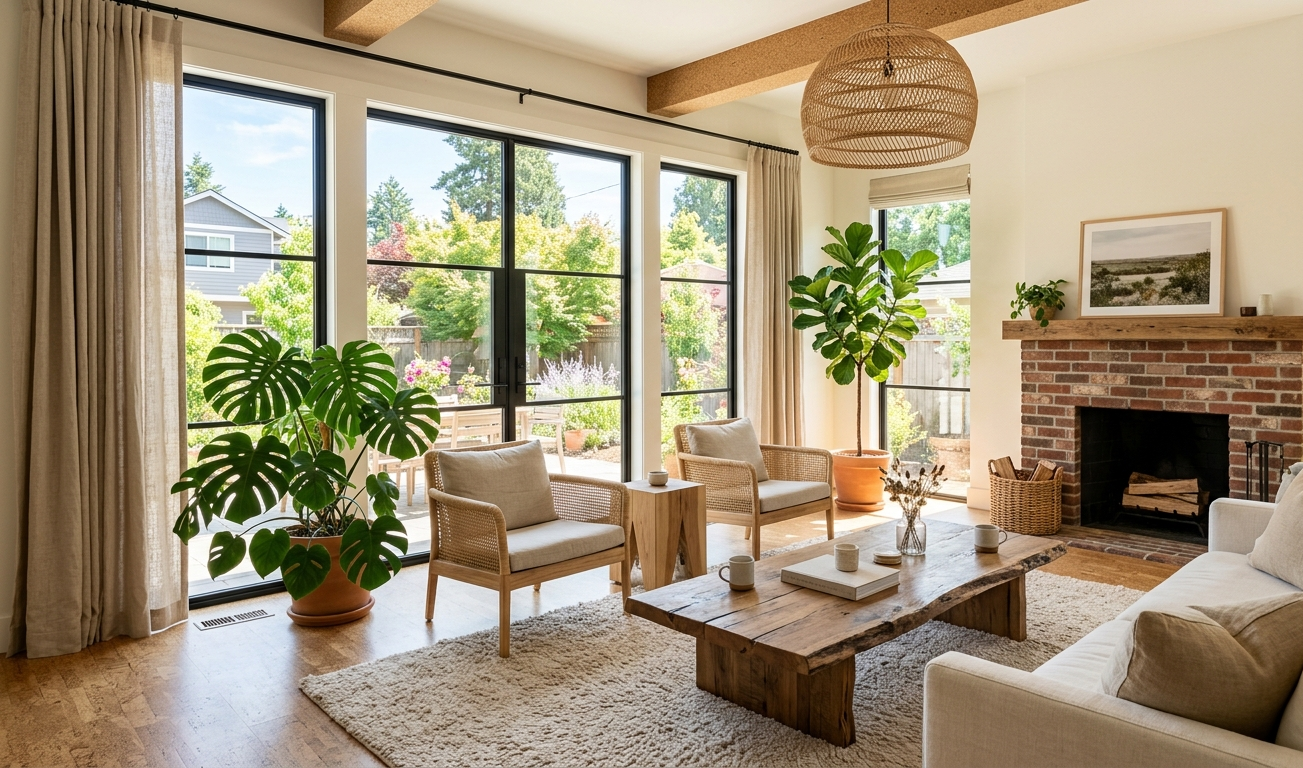
The foundation of any eco-conscious home is the materials used to build and furnish it. The goal is to select materials that are renewable, recycled, or rapidly renewable, and to avoid those that off-gas harmful volatile organic compounds (VOCs). Wood is a classic choice, but sustainability requires looking at its source. Opt for wood certified by the Forest Stewardship Council (FSC), which ensures it comes from responsibly managed forests. Reclaimed wood is an even more sustainable option, giving old barn wood or industrial lumber a beautiful new life without harvesting new trees.
For flooring, consider bamboo or cork. Both are rapidly renewable resources that grow much faster than traditional hardwoods. They are durable, naturally anti-microbial, and offer unique aesthetic appeal. For countertops, look into recycled materials like recycled glass or paper composite, or natural stones like soapstone that are durable and long-lasting. When it comes to paint, always choose low-VOC or zero-VOC paints. Conventional paints release harmful chemicals into the air for years. Low-VOC alternatives are now widely available in every color imaginable and perform just as well as their conventional counterparts, creating a healthier indoor environment for your family.
Principle 2: Invest in Quality and Timeless Design
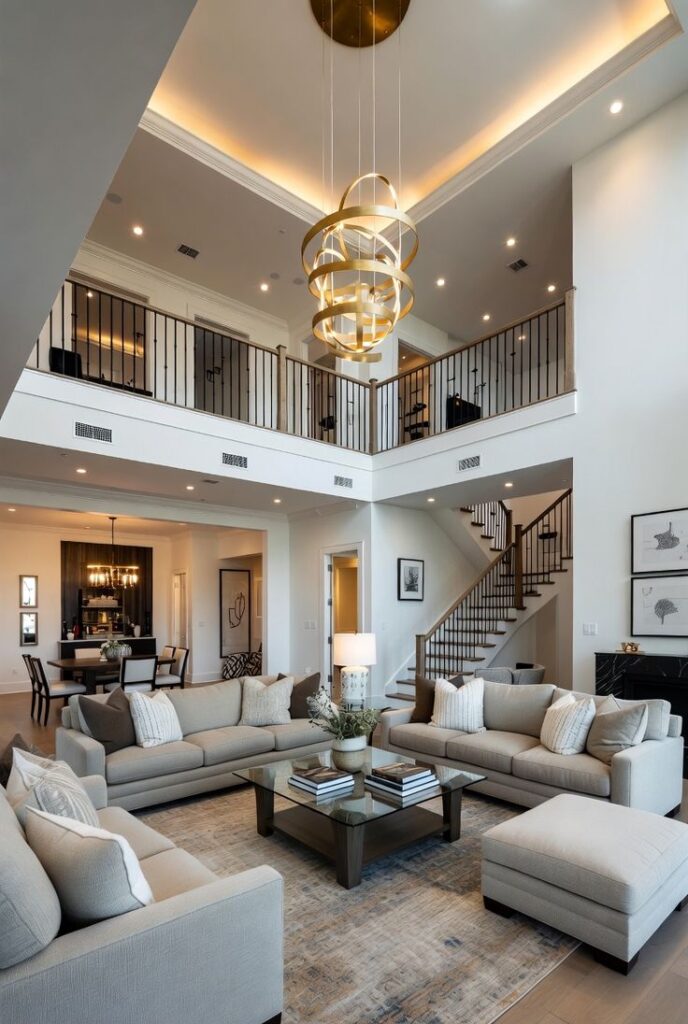
One of the most powerful principles of sustainable design is the commitment to longevity. The “fast furniture” model, characterized by cheap, particleboard pieces designed to last only a few years, is a major contributor to landfill waste. A sustainable approach flips this model, advocating for investing in fewer, higher-quality pieces that are built to last a lifetime. This means looking for furniture made from solid wood with traditional joinery like dovetail or mortise-and-tenon joints, rather than staples and glue.
Beyond construction, consider the timelessness of the design. A well-made, classic sofa in a neutral fabric will remain stylish for decades, whereas a trendy piece in a bold, fleeting pattern may feel dated in just a few years. This philosophy of “buy once, buy well” not only reduces waste but also often results in a more curated, sophisticated home. When you do need to part with furniture, consider selling, donating, or repurposing it rather than sending it to a landfill. Similarly, vintage and antique furniture are inherently sustainable choices. They have already stood the test of time, add unique character to your home, and prevent the need for new resource extraction.
Principle 3: Embrace Vintage, Upcycled, and Local
Shopping second-hand is one of the most enjoyable and impactful ways to practice sustainable design. Vintage furniture, lighting, and accessories are not only eco-friendly (they require no new resources to produce), but they also add a layer of soul and history that new items simply cannot replicate. Scouring flea markets, estate sales, and online marketplaces for unique finds is a sustainable alternative to buying new.
Upcycling takes this a step further, transforming an old or discarded item into something new and beautiful. A vintage dresser can be refinished and fitted with new hardware. Old wooden crates can become stylish shelving. This creative approach not only reduces waste but also results in one-of-a-kind pieces that become conversation starters. Finally, consider shopping locally. Purchasing furniture, art, and accessories from local artisans and makers dramatically reduces the carbon footprint associated with shipping. It also supports your local economy and often results in higher-quality, handcrafted items made with care and sustainable practices.
Principle 4: Focus on Energy Efficiency and Indoor Air Quality
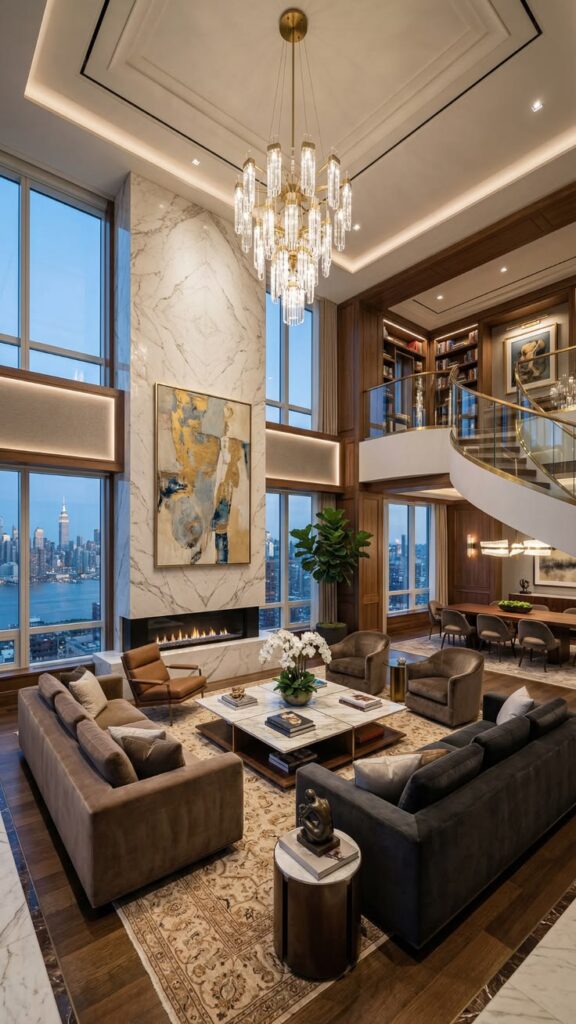
A truly sustainable home is not just about the objects within it, but also about how the home itself functions. Energy-efficient lighting is a simple but impactful starting point. LED bulbs use a fraction of the energy of incandescent bulbs and last for years. Integrating smart home technology, such as automated lighting and smart thermostats, can further optimize energy use.
Window treatments play a crucial role in energy efficiency. Well-fitted cellular shades or insulated drapes can significantly reduce heat loss in the winter and heat gain in the summer, lessening the load on your HVAC system. Improving indoor air quality is another key component of sustainable, healthy living. Beyond using low-VOC paints and finishes, incorporating a collection of air-purifying plants like snake plants, spider plants, and peace lilies can help naturally filter indoor air. Ensuring proper ventilation—using exhaust fans in kitchens and bathrooms and opening windows when weather permits—is also essential for circulating fresh air and reducing indoor pollutants.
Principle 5: Reduce, Reuse, and Mindful Consumption
Ultimately, sustainable interior design is underpinned by a mindset of mindful consumption. Before making a new purchase, ask yourself: Do I truly need this? Can I find it second-hand? Is it made from sustainable materials and built to last? This approach encourages a shift away from the cycle of constant consumption and towards a more intentional, curated way of living.
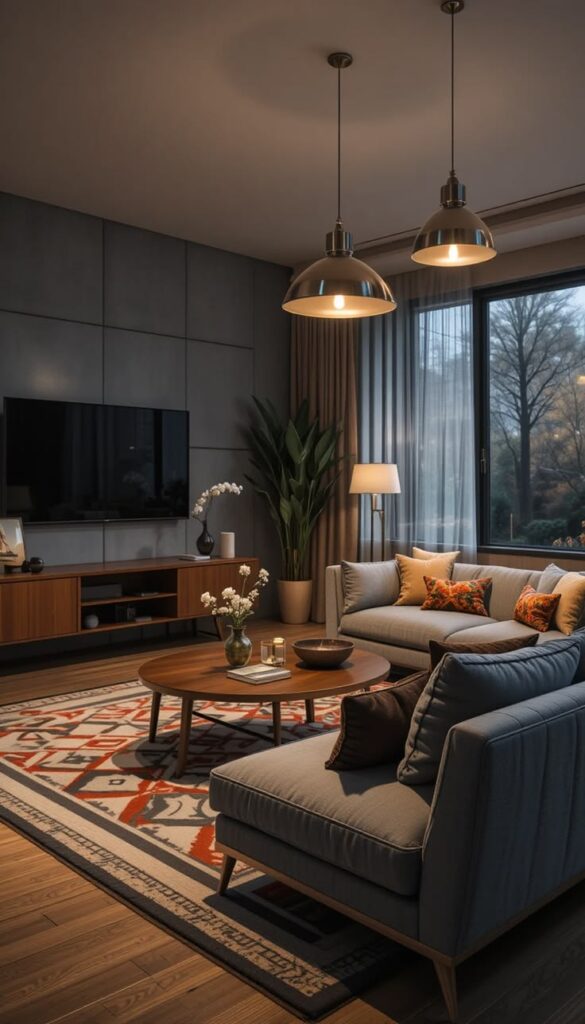
Reducing waste during a renovation or design project is also critical. Instead of demolishing and discarding old cabinets, consider refacing them. Instead of tearing down walls, think about ways to work with the existing architecture. Donate usable building materials to organizations like Habitat for Humanity ReStores. By embracing these principles of reduction and reuse, you can create a home that is not only beautiful and healthy but also a testament to a more responsible and conscious way of living on this planet.
Conclusion
Sustainable interior design is a powerful and rewarding approach to creating a home that is healthy, beautiful, and aligned with your values. It is a journey of making thoughtful choices—from selecting non-toxic, renewable materials and investing in heirloom-quality furniture to embracing the charm of vintage finds and optimizing your home’s energy efficiency. This movement proves that eco-friendly living is not about deprivation or compromise; it is about a more intentional, mindful, and ultimately more fulfilling way of creating a home. For the modern American homeowner, embracing sustainability is an investment not only in the value of your property but in the health of your family and the future of the planet.