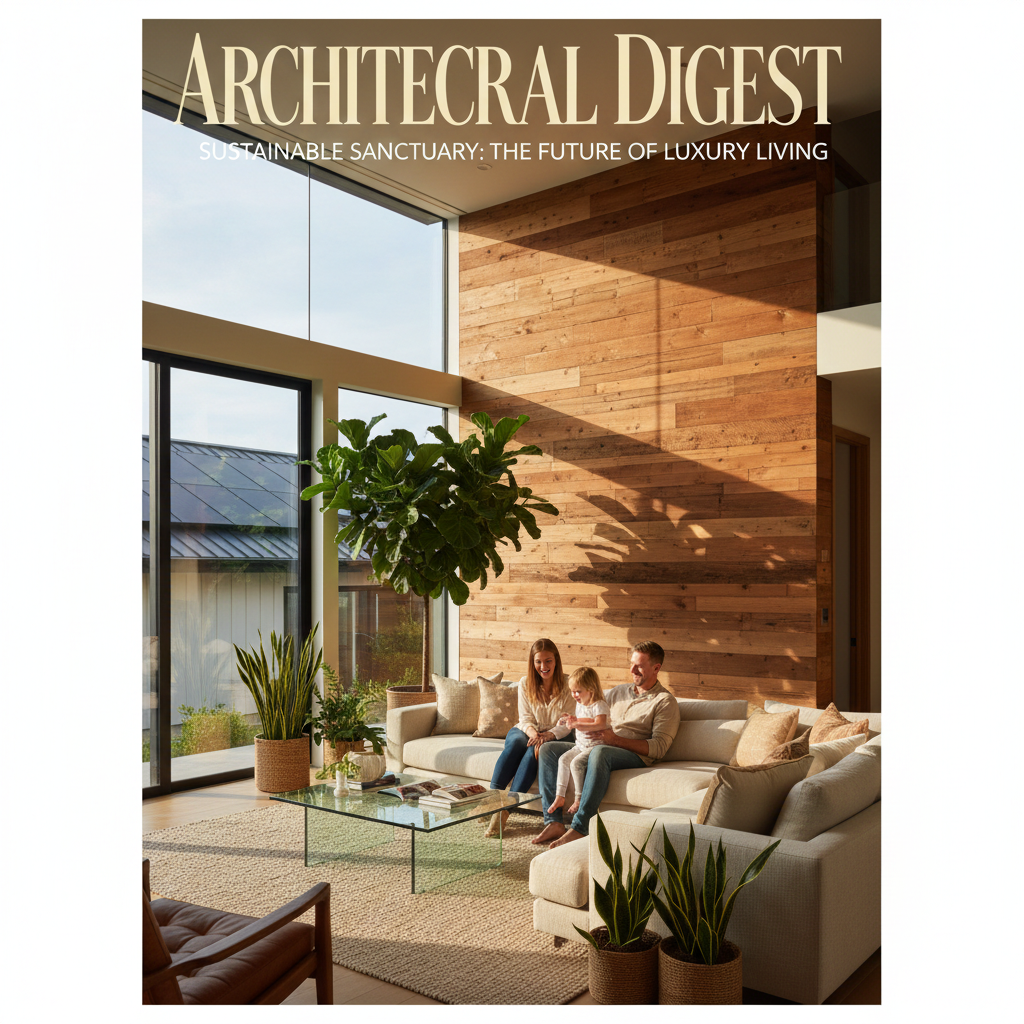
Introduction: The Green Revolution in American Interior Design
Across the United States, a profound shift is occurring in how homeowners approach interior design. No longer is sustainability merely a buzzword—it has become a fundamental philosophy guiding millions of American families in creating beautiful, healthy, and environmentally responsible living spaces. From coastal California communities prioritizing ocean-friendly materials to Midwestern homes embracing energy efficiency, sustainable interior design represents both an ethical choice and a smart investment. This comprehensive guide explores how eco-conscious practices are reshaping American homes, offering practical strategies that benefit both the planet and your personal sanctuary.
The Growing Demand for Sustainable Living Spaces
Recent studies indicate that 73% of American homeowners now consider environmental impact when making design decisions, with Millennial and Gen Z homeowners leading this charge. This isn’t simply a trend but a fundamental reimagining of what homes should provide: shelter that nurtures both inhabitants and the environment. The sustainable design movement addresses multiple concerns simultaneously—reducing carbon footprints, improving indoor air quality, supporting ethical manufacturing, and creating spaces that promote overall well-being.
Core Principles of Sustainable Interior Design
1. The Lifecycle Approach
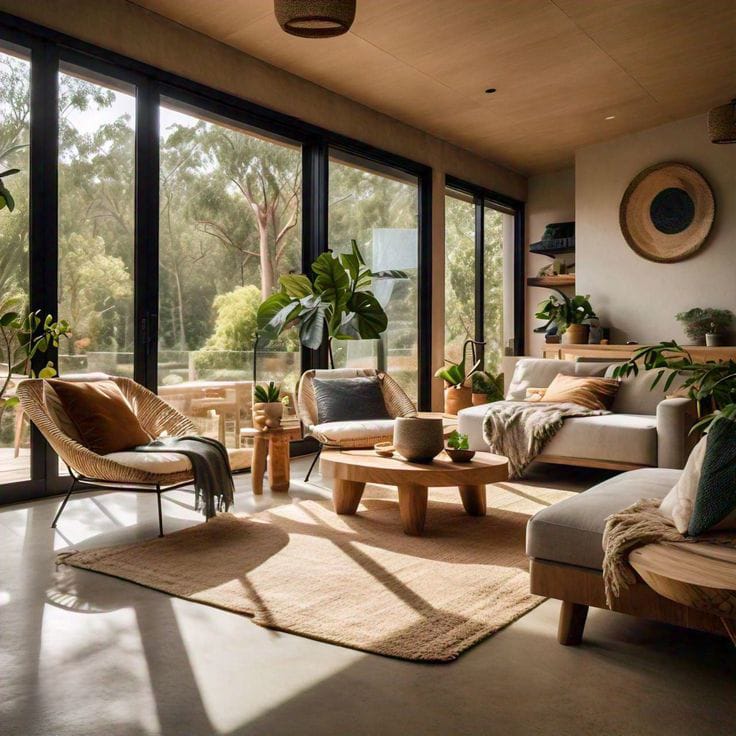
Sustainable design considers a product’s entire journey—from raw material extraction to manufacturing, transportation, use, and eventual disposal. This holistic perspective encourages selections that minimize environmental impact at every stage. American designers increasingly use lifecycle assessment tools to make informed decisions about materials and furnishings.
2. Energy Efficiency as Design Element
Beyond mere function, energy efficiency has become an aesthetic consideration. Strategic window placement for natural lighting, intelligent insulation choices, and thoughtful spatial planning reduce reliance on artificial climate control while enhancing visual appeal.
3. Biophilic Integration
The human connection to nature remains central to sustainable design. Incorporating natural elements—whether through living walls, organic materials, or views to outdoor spaces—reduces stress and improves mental health while decreasing the need for artificial environmental enhancements.
Sustainable Material Selection for American Homes
Rapidly Renewable Resources
Bamboo leads this category with its remarkable growth rate (some species grow up to three feet daily), followed by cork, harvested without harming trees, and rapidly-growing woods like poplar and pine. These materials offer durability and beauty without depleting ancient forests.
Reclaimed and Recycled Materials
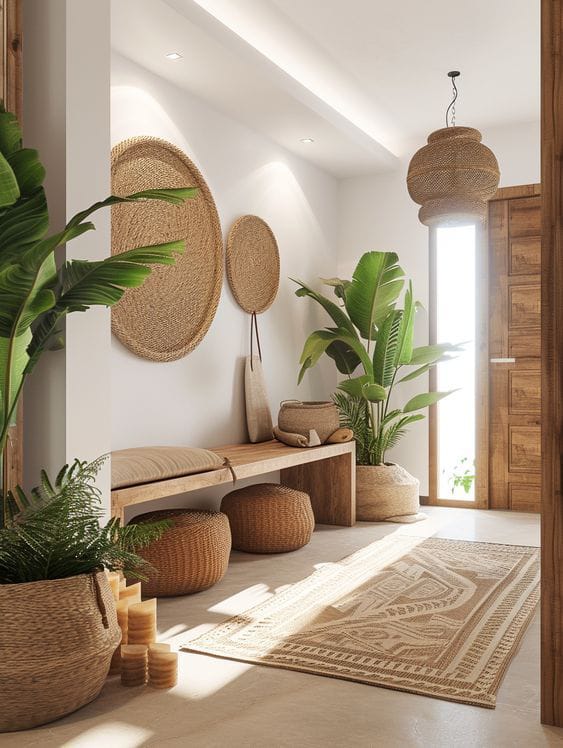
The American salvage industry has blossomed, with reclaimed barn wood, factory flooring, and architectural elements finding new life in contemporary homes. Recycled content materials—including glass countertops, composite decking made from plastic bags, and insulation from denim scraps—divert waste while adding character.
Low-VOC and Non-Toxic Options
Volatile Organic Compounds (VOCs) present significant indoor air quality concerns. Sustainable design prioritizes paints, finishes, adhesives, and furnishings with low or no VOC emissions. The rise of natural alternatives like milk paint, citrus-based finishes, and water-based polyurethanes reflects this health-conscious shift.
Local Sourcing Advantages
The “localvore” movement extends beyond food to interior design. Regionally-sourced materials reduce transportation emissions while supporting local economies. Distinct regional aesthetics have emerged—Pacific Northwest homes featuring locally-milled cedar, Southwest interiors with indigenous clay tiles, and New England spaces showcasing regional stonework.
Energy-Efficient Design Strategies
Passive Solar Design
Orienting homes to maximize winter sun exposure while minimizing summer heat gain represents one of the oldest yet most effective sustainable strategies. Modern implementations include thermal mass materials that absorb and slowly release heat, reducing HVAC demands by up to 40%.
Intelligent Lighting Solutions
LED technology has revolutionized lighting efficiency, but sustainable design goes further with daylight harvesting systems, occupancy sensors, and task-specific lighting that eliminates unnecessary energy use. The aesthetic integration of these technologies has improved dramatically, with attractive fixtures that complement rather than compromise design.
Smart Water Management
Water conservation extends beyond fixtures to include rainwater harvesting systems, graywater recycling for irrigation, and drought-tolerant landscaping that enhances curb appeal while reducing resource consumption.
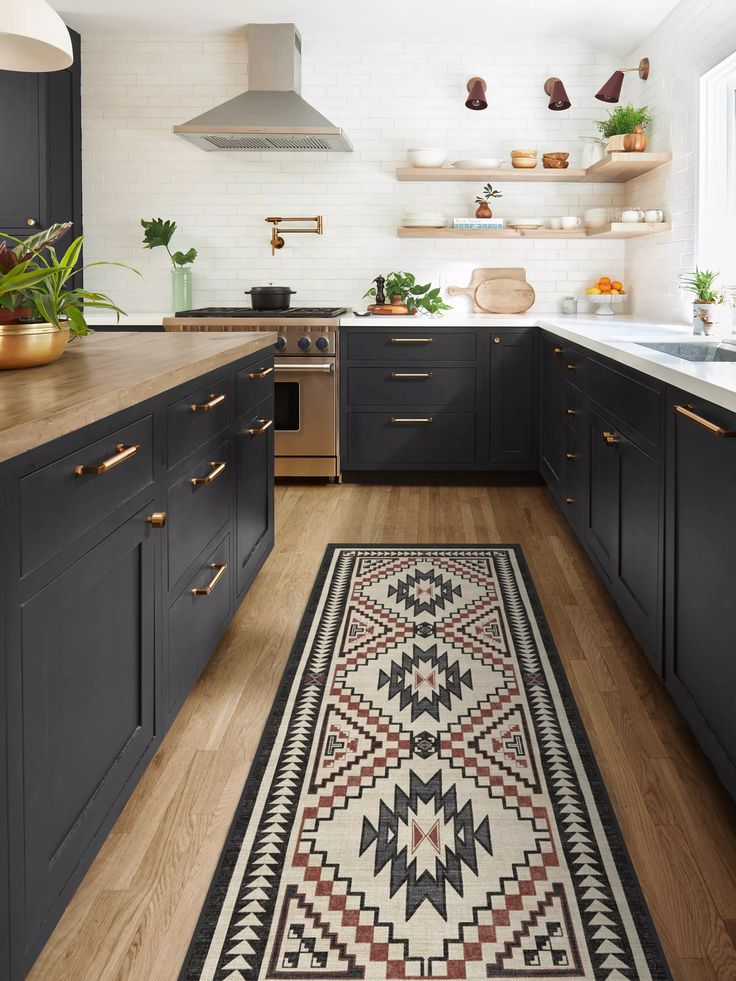
Furniture and Furnishings: Conscious Consumption
The Quality Over Quantity Philosophy
American consumer habits are shifting from frequent replacement to intentional investment in high-quality, timeless pieces. Furniture designed for durability, repairability, and eventual disassembly represents both economic and environmental wisdom.
Secondhand and Vintage Markets
Online platforms and local boutiques have made vintage furnishings more accessible than ever. These pieces offer unique character while avoiding new resource extraction and manufacturing impacts.
Modular and Adaptable Designs
Furniture systems that grow and change with families—expandable tables, convertible sleepers, and modular shelving—extend product lifespans and reduce long-term consumption.
Healthy Indoor Environments
Air Quality Optimization
Beyond VOC reduction, sustainable design incorporates enhanced ventilation systems, air-purifying plants, and materials that resist mold and microbial growth. Advanced filtration systems integrated into HVAC systems maintain air quality with minimal energy penalty.
Natural Light Maximization
Strategic window placement, reflective surfaces, and open floor plans distribute daylight deeper into homes, reducing lighting needs while providing proven psychological benefits. Studies show properly daylighted spaces can improve productivity by 15% and reduce absenteeism.
Acoustic Comfort Through Natural Materials
Sustainable design addresses noise pollution with natural sound-absorbing materials like wool insulation, cork flooring, and fabric wall treatments that improve auditory comfort without synthetic alternatives.
Regional Sustainability Approaches Across the USA
Northeast: Preservation and Efficiency
Historic preservation often aligns with sustainability in older American cities. Energy-efficient retrofits of existing structures, storm window additions, and localized heating solutions characterize this region’s approach.
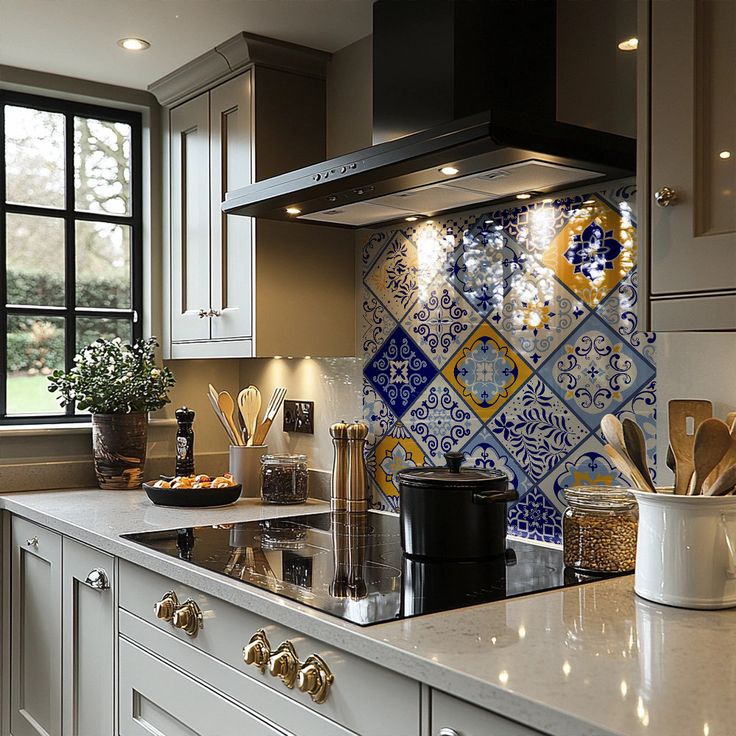
Southwest: Climate-Responsive Design
Adobe construction’s thermal mass properties, shaded outdoor living areas, and water-wise landscaping reflect centuries of adaptation to arid climates, now enhanced with modern technology.
Pacific Northwest: Biomimicry and Innovation
Drawing inspiration from natural systems, this region leads in green building certifications, living roofs, and integrated rainwater management that celebrates rather than fights local weather patterns.
Midwest: Practical Sustainability
Emphasizing durability against extreme weather, Midwestern sustainable design focuses on superior insulation, locally-produced materials, and multi-functional spaces that serve families across generations.
Budget-Friendly Sustainable Upgrades
Phase-Based Implementation
Few homeowners can completely overhaul their spaces simultaneously. Sustainable design embraces gradual improvement—starting with highest-impact changes like insulation and weatherization, then progressing to finishes and furnishings.
DIY Natural Finishes
Homemade wood finishes from beeswax and mineral oil, natural dyes from plant materials, and simple upholstery refreshes extend furniture life while avoiding chemical exposures.
Energy Audit Benefits
Many utility companies offer free or subsidized energy audits that identify cost-effective improvements with rapid returns on investment through reduced utility bills.
The Economic Case for Sustainable Design
Increased Property Values
Homes with green certifications command premium prices—LEED-certified homes sell for approximately 8% more than comparable conventional homes according to recent national studies.
Operational Cost Savings
Energy-efficient homes reduce utility expenses by 20-30% on average, with water conservation adding further savings. These reductions often offset any initial investment premiums within reasonable timeframes.
Durability and Reduced Maintenance
Sustainable materials typically offer greater longevity and simpler maintenance, reducing replacement cycles and associated costs over a home’s lifetime.
Overcoming Common Sustainability Challenges
Addressing Cost Perceptions
While some sustainable options carry higher upfront costs, lifecycle cost analysis often reveals advantages. Creative financing options, including energy-efficient mortgages and green improvement loans, make upgrades more accessible.
Navigating “Greenwashing”
With sustainability claims proliferating, educated consumers look for third-party certifications like Forest Stewardship Council (FSC), Greenguard, and Cradle to Cradle to verify environmental credentials.
Balancing Aesthetics and Ethics
Early sustainable design sometimes sacrificed aesthetics, but today’s market offers beautiful options across all price points and style preferences, proving environmental responsibility need not compromise visual appeal.
Future Directions in Sustainable Design
Circular Economy Integration
The shift from linear “take-make-waste” models to circular systems where materials continuously cycle through use phases represents the next frontier in sustainable design. Furniture leasing, material banks, and design for disassembly are gaining traction.
Regenerative Design Principles
Moving beyond minimizing harm to creating positive environmental impacts, regenerative design includes features that clean air and water, regenerate soil, and support biodiversity.
Technology-Enabled Sustainability
Smart home systems optimize resource use, while material science innovations create new possibilities—self-cleaning surfaces, phase-change materials for temperature regulation, and bio-fabricated alternatives to traditional materials.
Conclusion: Building a Legacy of Conscious Living
Sustainable interior design represents more than an environmental statement—it’s a comprehensive approach to creating homes that nurture inhabitants, respect resources, and stand as testaments to thoughtful living. As American homeowners increasingly recognize their power to drive positive change through daily choices, sustainable design evolves from niche preference to mainstream expectation.
The journey toward sustainability need not be overwhelming. Start with one room, one material choice, one energy-saving improvement. Each decision contributes to a collective movement reshaping American homes into spaces of beauty, health, and responsibility. Your home becomes not just a personal sanctuary but a contribution to a more sustainable future—a legacy built one conscious choice at a time.
Remember that true sustainability balances environmental, social, and economic considerations. By creating spaces that are beautiful, healthy, efficient, and ethical, you participate in transforming the very definition of the American dream home for generations to come.