Introduction
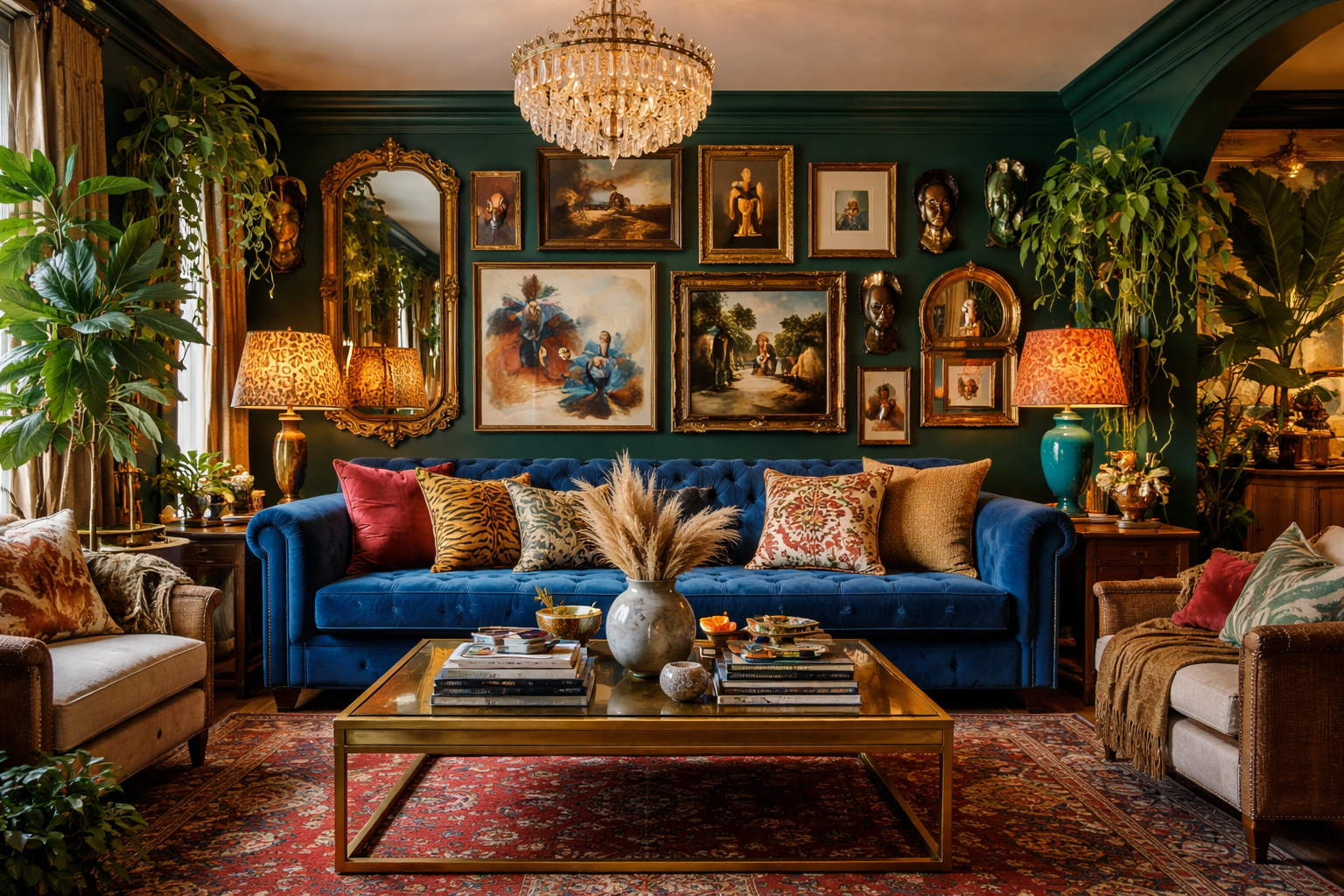
For the better part of a decade, the minimalist mantra of “less is more” has dominated the American interior design landscape. White walls, sleek furniture, and a rigid focus on decluttering became the aspirational standard, championed by popular culture and organizational gurus. But for many, this aesthetic felt sterile, impersonal, and, frankly, a little boring. A new movement is now sweeping across the United States, from the eclectic brownstones of Brooklyn to the vibrant bungalows of Los Angeles. It’s called Maximalism, and its philosophy is simple: more is more. Maximalism is the joyous rebellion against the tyranny of the blank slate. It’s a design approach that celebrates abundance, personal expression, and the art of layering. It’s not about creating chaos, but rather about curating a space that tells a story—your story. In this article, we will delve into the core tenets of Maximalism, debunk the myth that it’s just “clutter,” and provide you with a roadmap to confidently embrace bold patterns, rich colors, and cherished collections in your own home.
What Maximalism is (and What it Isn’t)
The biggest misconception about Maximalism is that it’s simply the absence of editing—a room filled with too much stuff. True Maximalism, however, is a highly intentional and curated design style. It’s the polar opposite of minimalist apathy. A maximalist space is carefully considered, with every object, color, and pattern chosen for a specific reason—whether for its aesthetic beauty, its sentimental value, or its ability to create a visual conversation with other elements in the room. It’s about creating a rich, layered environment that engages the senses and evokes emotion. Where minimalism seeks to reduce and simplify, Maximalism seeks to amplify and express. It’s a style that champions individuality, allowing homeowners to display their collections—be it vintage books, travel souvenirs, or contemporary art—as integral parts of the design, rather than hiding them away. The result is a space that feels dynamic, personal, and full of life.
The Power of Pattern and Color
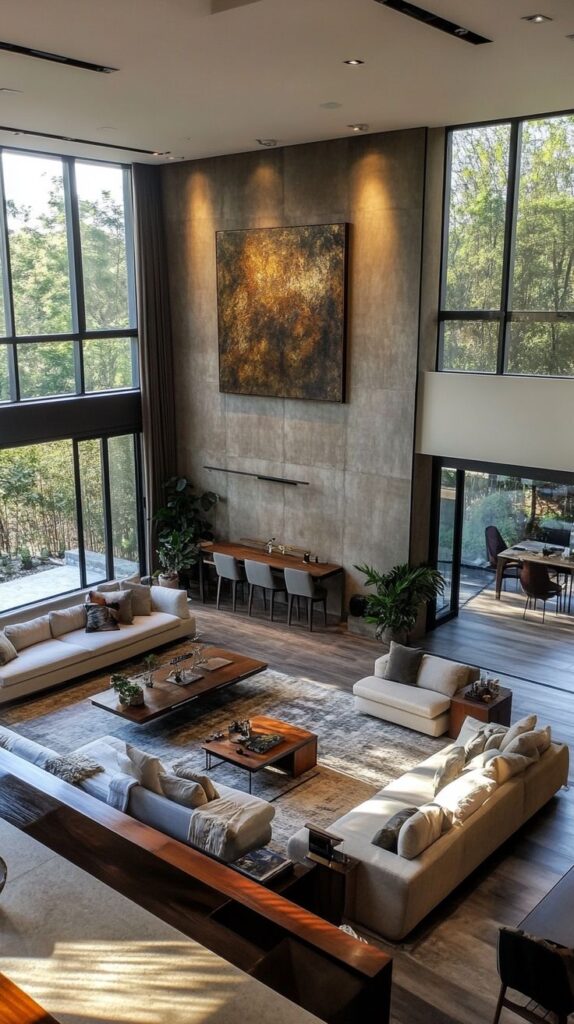
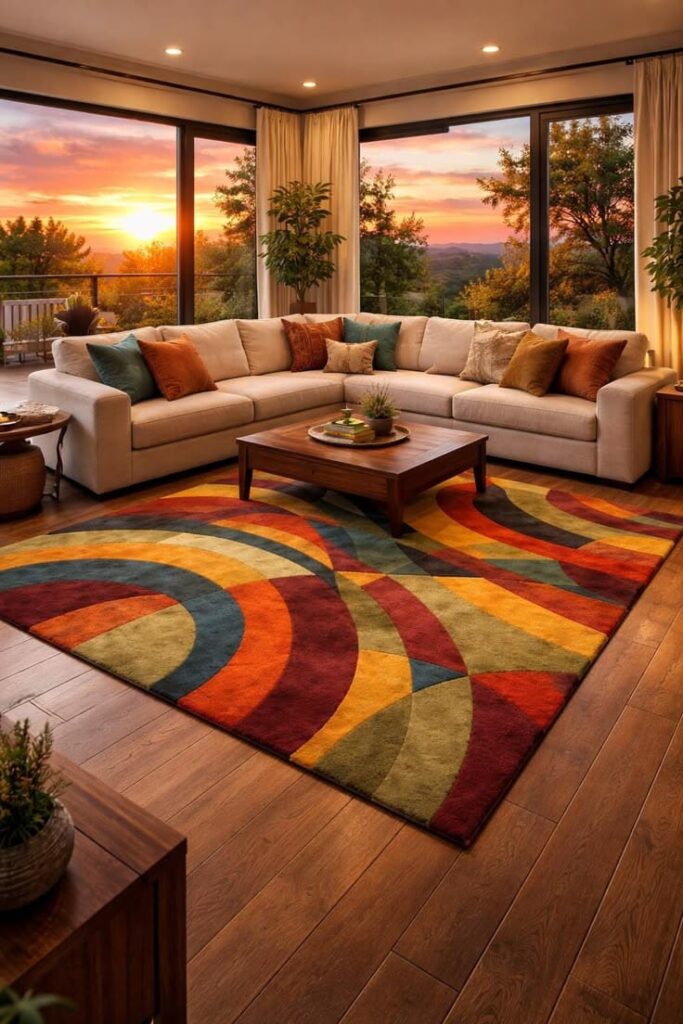
The most identifiable hallmark of Maximalism is its fearless use of color and pattern. This is where you can let your creativity run wild, but strategic thinking is still required. The “more is more” philosophy doesn’t mean throwing every color in the rainbow into one room. Successful maximalist spaces often use a unifying theme or a core color palette to create cohesion amidst the chaos. You might start with a bold, saturated wall color like emerald green or deep navy and then layer in patterns that incorporate that hue. The key is to mix patterns of different scales. Pair a large-scale floral wallpaper with a medium-sized geometric pattern on an area rug and a small-scale ikat or stripe on accent pillows. This variation in scale prevents the eye from feeling overwhelmed. Don’t be afraid to mix pattern types, either—florals with plaids, animal prints with abstract designs. The goal is to create a symphony, not a solo, where each pattern contributes to a dynamic and harmonious whole.
Layering Textures and Objects
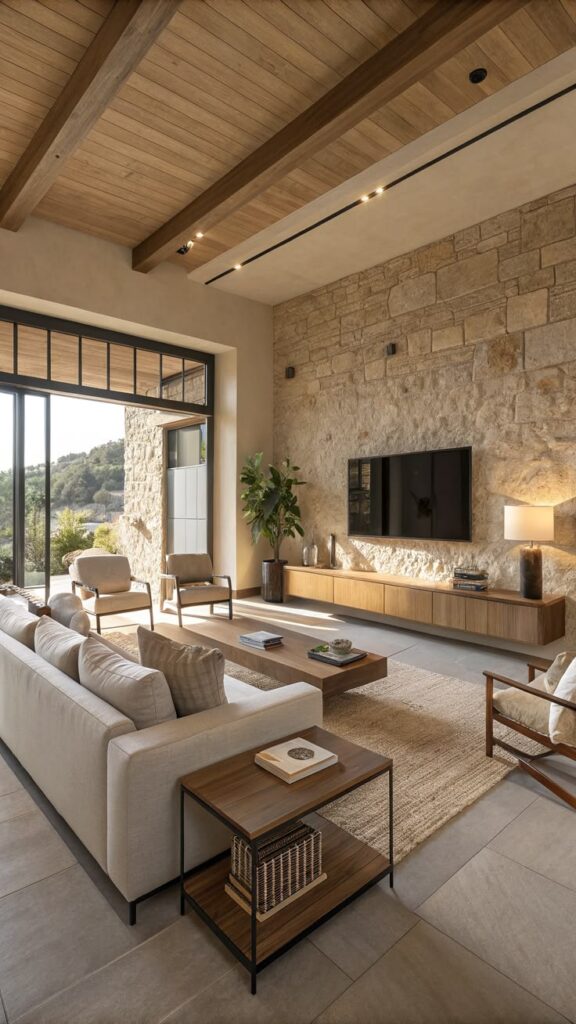
Beyond color and pattern, texture is a crucial tool in the maximalist’s arsenal. Layering textures adds depth, richness, and a tactile dimension to a space. Think velvet sofas paired with nubby linen curtains, a glossy lacquered coffee table set on a shaggy wool rug, and walls adorned with a mix of oil paintings, woven tapestries, and metallic sconces. This combination of textures—soft, hard, shiny, matte, rough, smooth—creates a sensory experience that invites you to touch and explore.
This principle extends to objects and collections. Maximalism is the perfect style for the collector. Instead of keeping a collection of vintage cameras, ceramic vases, or seashells tucked away in a box, a maximalist displays them. The key to displaying collections without creating clutter is grouping. Create curated vignettes on bookshelves, mantels, and side tables. Group objects by color, material, or theme. A bookshelf, for example, becomes a work of art when you style it not just with books, but with a mix of framed photos, sculptural objects, and small plants, all arranged in a balanced, visually interesting way. This approach turns your personal treasures into focal points and conversation starters.
Gallery Walls: The Ultimate Expression
One of the most popular and accessible ways to embrace Maximalism is through the gallery wall. This is the ultimate form of personal expression, allowing you to create a large-scale visual narrative on your walls. The traditional gallery wall has evolved; today’s maximalist versions are less about perfect symmetry and more about an eclectic, salon-style hang. Start by gathering a collection of art, photographs, mirrors, and even decorative objects like small plates or textiles. The unifying element can be the frame style (e.g., all black frames), the color palette of the art, or the overall theme (e.g., family photos mixed with botanical prints). Lay the arrangement out on the floor first to experiment with the composition before hammering any nails. The goal is to create a cohesive, eye-catching display that covers a significant portion of the wall, turning it into a stunning focal point that tells the story of your taste and your life.
Conclusion
Maximalism is more than just an interior design trend; it’s a cultural shift towards authenticity, self-expression, and the rejection of rigid, one-size-fits-all aesthetics. It invites Americans to step away from the pressure of perfect minimalism and embrace the things they truly love. By mastering the art of layering—mixing patterns, colors, textures, and personal collections with intentionality—you can create a home that is a vibrant reflection of your personality. It’s a style that celebrates the richness of life, proving that when it comes to creating a home that feels alive, inviting, and uniquely yours, more truly is more.