Introduction
In an age of fast furniture and fleeting design trends, there is a growing yearning for homes that feel authentic, grounded, and built to last. Across the United States, from the historic neighborhoods of Pasadena to the charming streets of the Midwest, the American Craftsman style continues to captivate homeowners with its emphasis on quality craftsmanship, natural materials, and a deep connection to the arts and crafts movement. Born as a reaction against the mass-produced ornamentation of the Victorian era, Craftsman design champions simplicity, functionality, and the honest expression of materials. It is a style that celebrates the hand of the artisan, the beauty of wood grain, and the warmth of a home designed for living, not just for show. This article will delve into the rich history of the American Craftsman style, explore its defining architectural and interior elements, and provide practical guidance on how to honor its principles while adapting it for contemporary American life.
A Brief History: The Arts and Crafts Movement
To truly understand American Craftsman style, one must look back to its roots in the late 19th century. The Industrial Revolution had ushered in an era of factory-produced goods, which, while affordable, were often of poor quality and devoid of artistic merit. In England, John Ruskin and William Morris spearheaded the Arts and Crafts movement, advocating for a return to handcraftsmanship, honest materials, and the integration of art into everyday life. This philosophy crossed the Atlantic and found fertile ground in America, where it was championed by figures like Gustav Stickley and the brothers Charles and Henry Greene.
Stickley, through his magazine The Craftsman, popularized a distinctly American interpretation of the movement. His designs emphasized sturdy, straightforward construction, quarter-sawn oak, and minimal ornamentation that followed the function of the piece. Meanwhile, Greene and Greene, practicing in Pasadena, California, developed a more refined and ornate version, known for their iconic bungalows featuring intricate joinery, expansive porches, and a seamless flow between indoor and outdoor spaces. This was the birth of the American Craftsman home—a style that prioritized the health, comfort, and well-being of the family within a thoughtfully designed, handcrafted environment.
Signature Architectural Elements
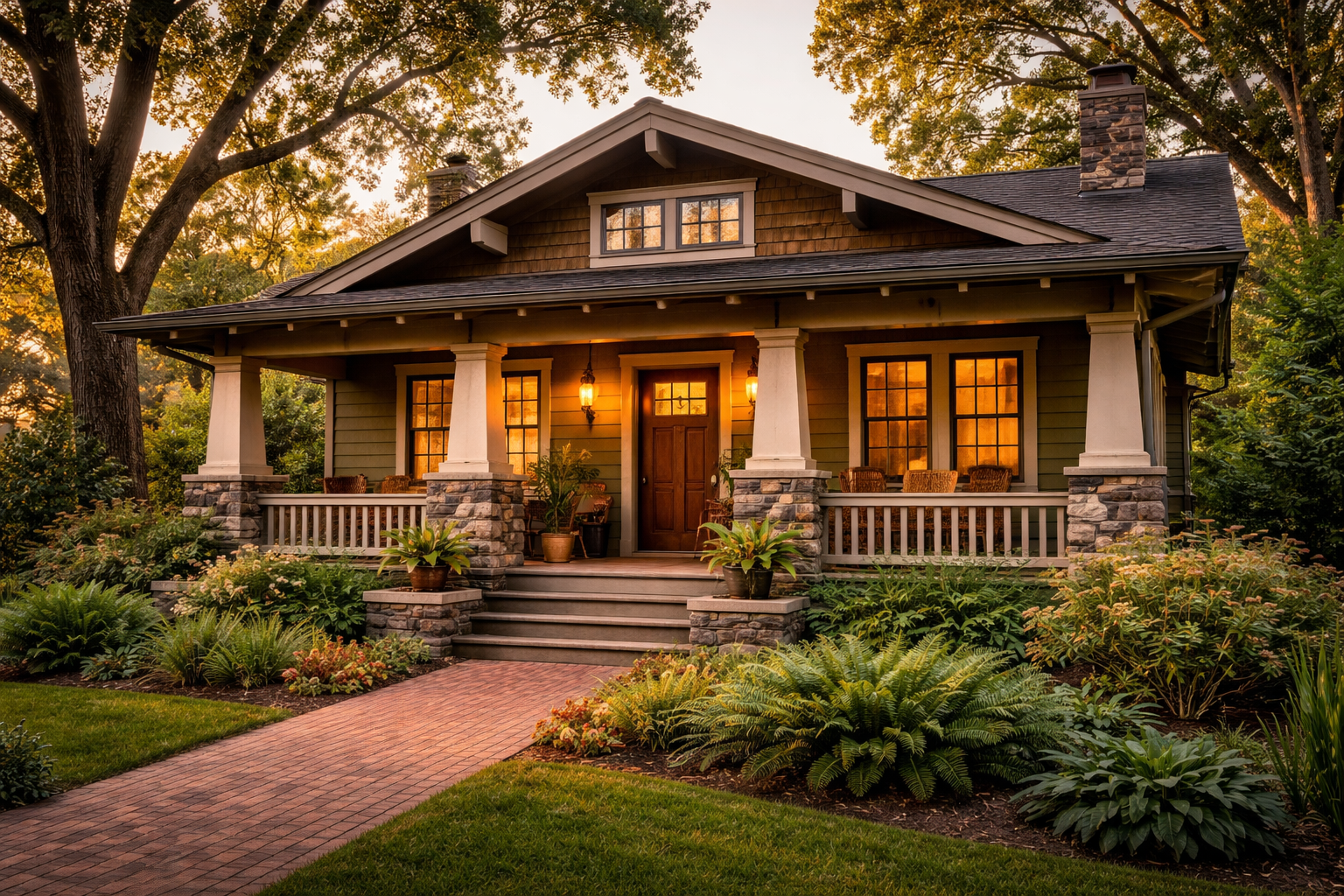
The American Craftsman home is instantly recognizable for its distinctive architectural features. Exteriors are characterized by low-pitched, gabled roofs with wide, overhanging eaves that reveal exposed rafter tails. Large, welcoming front porches supported by sturdy, tapered columns or piers are a hallmark, inviting neighborly interaction and blurring the line between public and private life. The use of natural materials is paramount—stone foundations, wood siding, and brick are all celebrated for their inherent beauty.
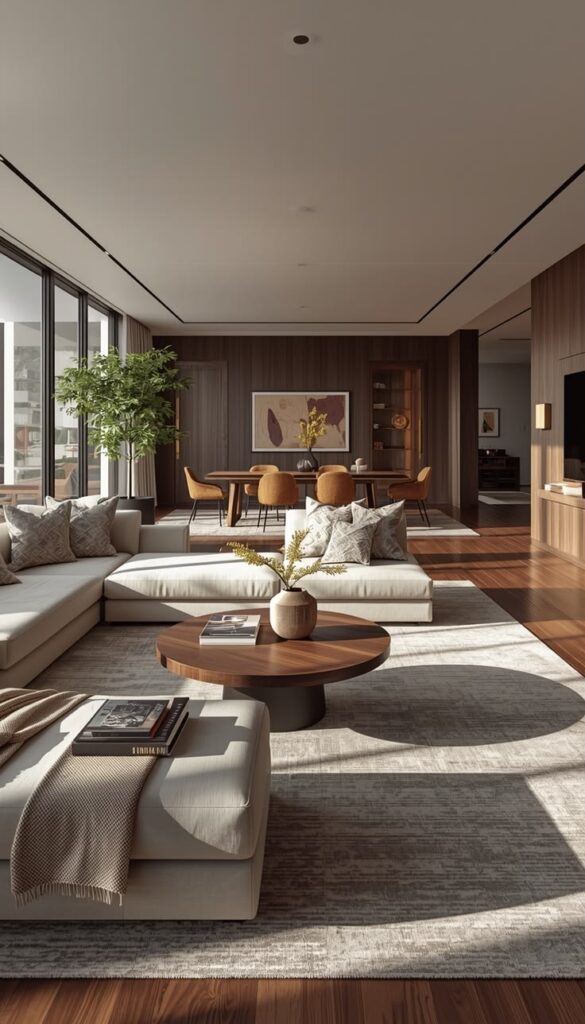
Stepping inside, the architectural language continues. Open floor plans, revolutionary for their time, were designed to promote family togetherness, a stark contrast to the compartmentalized rooms of Victorian homes. Built-in furniture is one of the most cherished features of the style. Floor-to-ceiling bookcases flanking a fireplace, built-in window seats with hidden storage, and buffet cabinets in the dining room were all designed to maximize space and eliminate the need for excess furniture. These built-ins are not merely functional; they are integral to the architecture, showcasing the carpenter’s skill and contributing to the home’s cohesive, uncluttered aesthetic.
The Craftsman Material and Color Palette
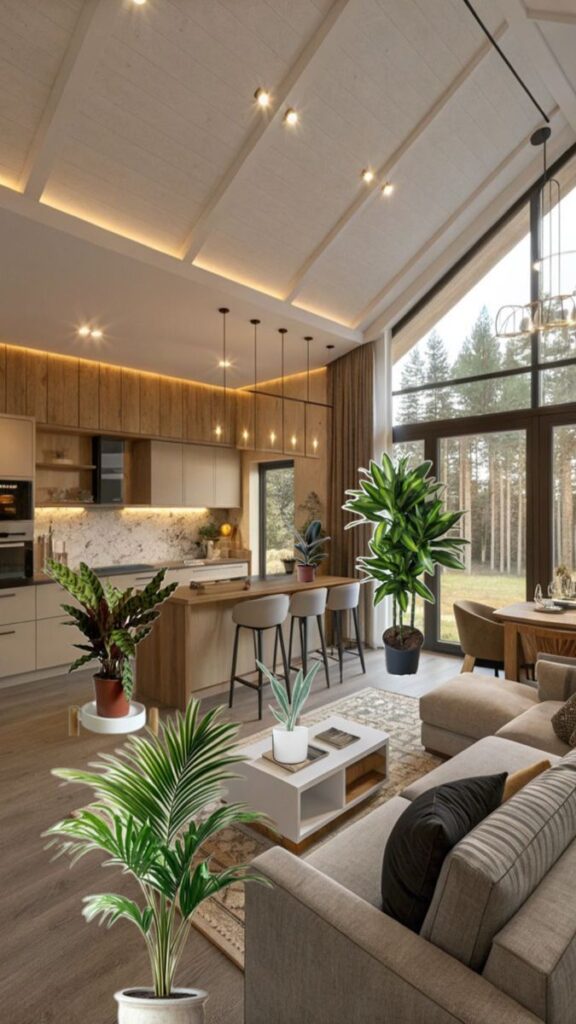
The material palette of Craftsman style is rooted in nature and celebrates authenticity. Wood is the undisputed star, with quarter-sawn oak being the most iconic choice for furniture, trim, and built-ins. Its distinctive flake pattern, known as ray fleck, adds visual texture and was prized by the movement’s artisans. Other woods like mahogany, cherry, and maple were also used, always with a focus on the natural grain. Woodwork was typically stained, not painted, allowing the beauty of the material to shine through.
Stone and brick are used for fireplaces, which are often the dramatic focal point of the living room. A classic Craftsman fireplace features a substantial hearth extending into the room, a heavy wood mantel, and a surround of natural stone or handmade tile. The tile work, often featuring motifs from nature like leaves, flowers, or geometric patterns, adds an artisanal touch.
The color palette is drawn from the natural landscape. Earthy, muted tones dominate—warm browns, olive greens, dusty ochres, and deep russet reds. Walls were often finished with textured plaster in warm, neutral shades. This subdued backdrop allows the rich tones of the woodwork, the artistry of the tile, and the warm glow of leaded glass windows to take center stage, creating an environment that feels both cozy and sophisticated.
Modern Interpretations: Living with Craftsman Today
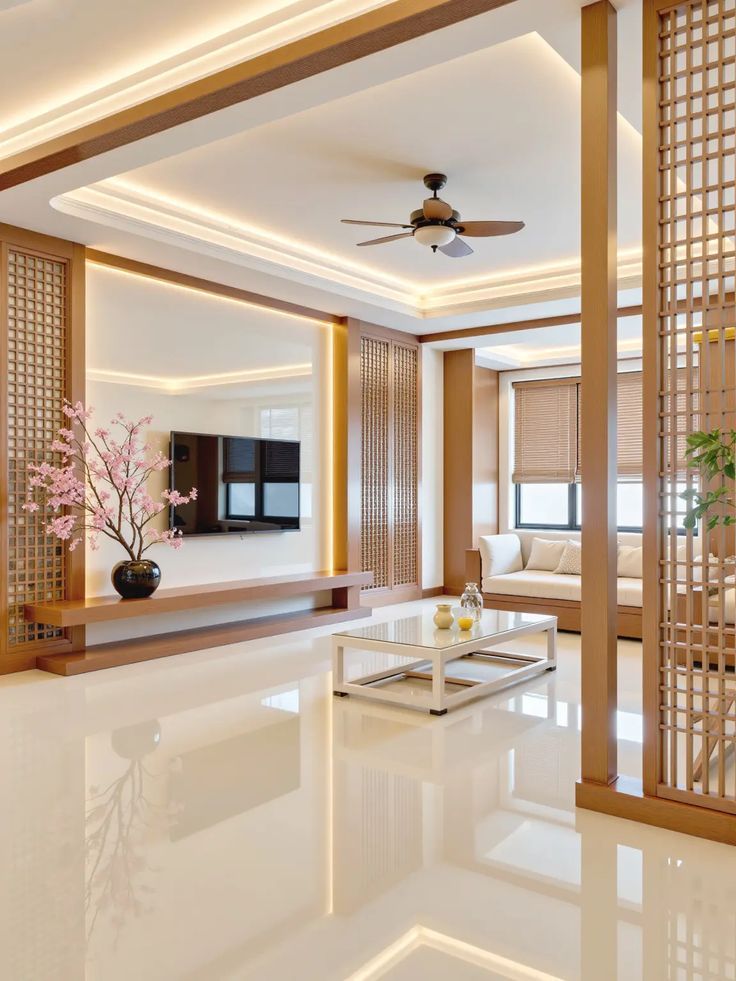
While a faithfully restored historic Craftsman home is a treasure, the principles of the style can be beautifully adapted for modern living. The focus remains on quality, authenticity, and function, but with contemporary sensibilities. In a modern Craftsman interior, the heavy, dark woodwork of the past might be reinterpreted with lighter stains, such as white oak with a clear or soap finish, which feels more open and airy while still honoring the tradition of natural wood. The iconic built-ins remain, but they are now designed to house modern technology, with discreet charging stations and shelving sized for flat-screen televisions.
The furniture philosophy shifts from literal reproduction to pieces that embody the Craftsman ethos. This means investing in well-made, solid wood furniture with clean lines and simple joinery. Mixing in contemporary pieces—a sleek leather sofa, modern abstract art, or minimalist lighting—can create a dynamic and personal space that feels fresh yet rooted in tradition. The color palette can also be updated. While earthy tones remain popular, a modern approach might use a crisp, warm white on the walls to create a brighter contrast with the wood trim, allowing the architectural details to pop. Ultimately, living with Craftsman style today is about embracing its core values: creating a home that is beautiful, functional, and built with integrity, a sanctuary that celebrates the art of simple, honest living.
Conclusion
The American Craftsman style endures because it speaks to a fundamental human desire for authenticity, quality, and connection. It is a style born from a philosophy that rejected the disposable in favor of the meaningful. In a world that often feels fast-paced and impersonal, the Craftsman home offers a sense of permanence, warmth, and handcrafted beauty. Whether you are restoring a historic bungalow or incorporating Craftsman elements into a new build, the principles of natural materials, built-in functionality, and thoughtful craftsmanship provide a timeless foundation. It is a design legacy that continues to shape the American home, proving that true style is not about following trends, but about creating spaces of enduring character and comfort.