Introduction
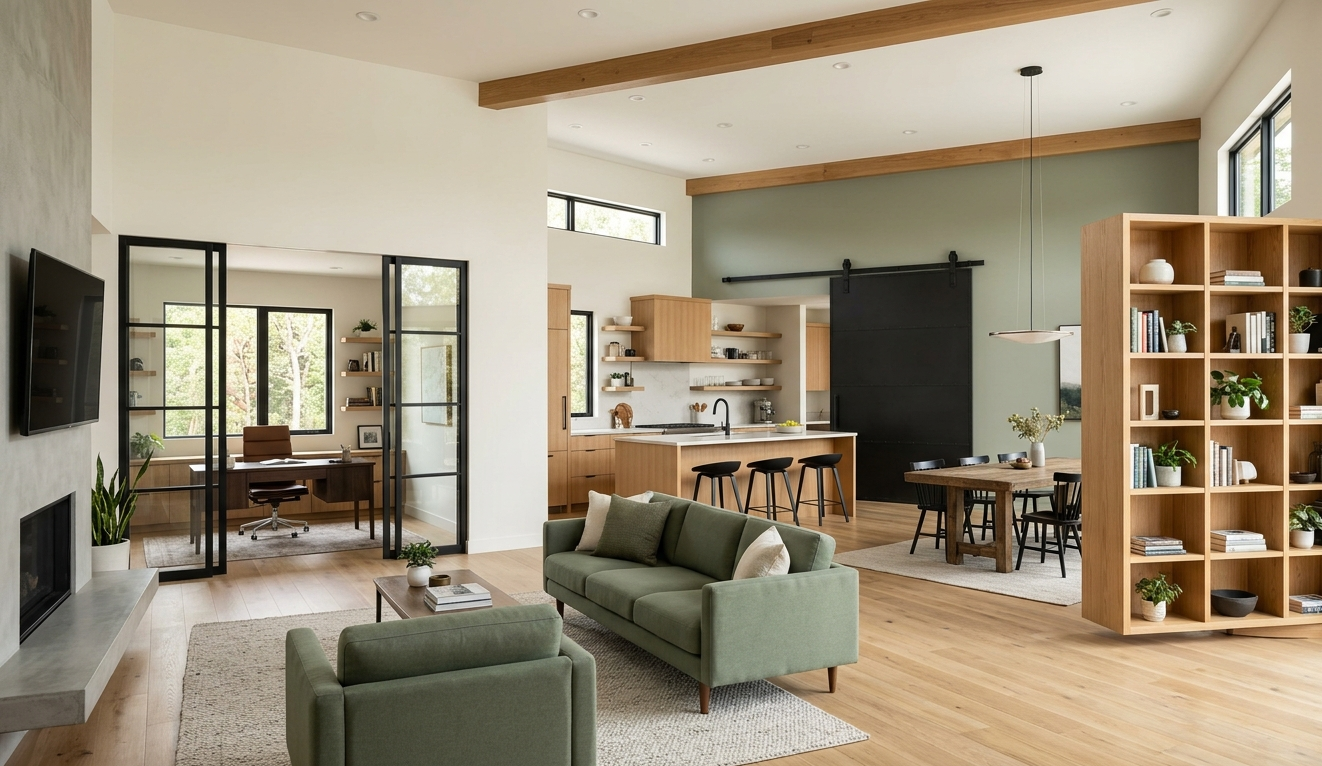
For the past two decades, no interior design trend has dominated American home building and renovation quite like the open concept floor plan. The idea of tearing down walls to create a sprawling, interconnected space where the kitchen flows into the dining area and living room has become the gold standard for modern living. This layout, popularized by home renovation shows and embraced by families across the country, promises to foster connection, maximize light, and create a sense of spaciousness. But as with any design choice, the open concept comes with its own set of advantages and challenges. While it can make a small home feel grand, it can also present difficulties in defining spaces, managing noise, and maintaining privacy. As homeowners become more nuanced in their design preferences, many are seeking a balanced approach—an “open-ish” concept that offers the best of both worlds. In this comprehensive guide, we will explore the pros and cons of open concept living and provide expert design strategies to help you create a functional, beautiful, and cohesive space that works for the way you live.
The Pros: Why Open Concept Has Dominated
The widespread appeal of the open concept is rooted in its alignment with contemporary American lifestyles. The most celebrated benefit is enhanced social connection. When the kitchen, the heart of the home, is visually and physically connected to the living and dining areas, the cook is no longer isolated. Parents can prepare dinner while helping children with homework at the kitchen island. Hosts can entertain guests while finishing up meal preparations. This seamless integration fosters a sense of togetherness that is highly valued in modern family life.
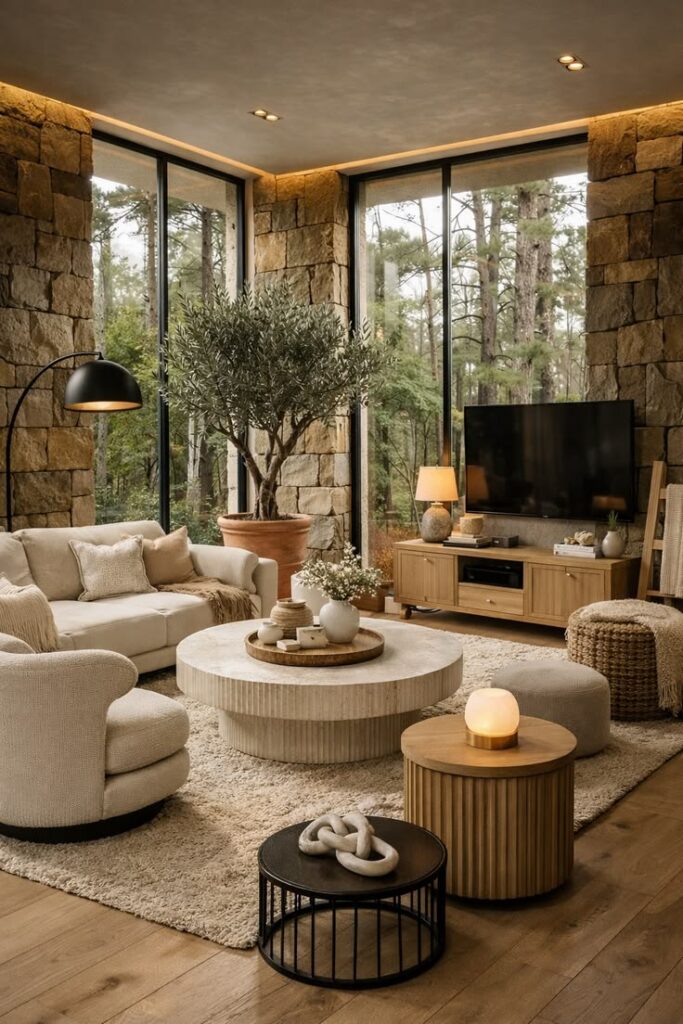
Another significant advantage is the maximization of light and space. By removing walls, natural light from windows on multiple sides of the house can penetrate deeper into the interior, making the entire space feel brighter, larger, and more airy. This is particularly beneficial for smaller homes or those with limited window exposure. An open floor plan also offers unparalleled flexibility. Without fixed walls dictating the function of each area, the space can be easily reconfigured with furniture to suit different needs—a large holiday gathering, a quiet evening at home, or a children’s play area. Finally, from a real estate perspective, open concept layouts remain highly desirable to a broad range of buyers, often contributing to a home’s marketability and value.
The Cons: The Challenges of Wide-Open Spaces
Despite its popularity, the open concept is not without its drawbacks. The most common complaint is noise. In a single, large space, sounds travel freely. The clatter of pots and pans in the kitchen can compete with the television in the living room, and there is no closed door to contain the noise of children playing or a home office call. This lack of acoustic separation can be a significant source of stress for many families.
Lack of privacy is another major consideration. In a traditional layout, one could retreat to a separate living room or den for quiet time. In an open concept home, there is nowhere to hide. This can be challenging for families with different schedules or for those who work from home. Visual clutter is also a persistent issue. In a closed-plan home, a messy kitchen or a pile of laundry waiting to be folded could be hidden behind a door. In an open plan, everything is on display. This requires a commitment to constant tidying or clever storage solutions. Lastly, defining functional zones can be difficult. Without walls to delineate the kitchen from the dining area from the living room, the space can feel like a cavernous, undefined void if not carefully planned.
Design Strategy 1: Defining Zones Without Walls
The key to a successful open concept space is creating distinct zones that give each area a sense of purpose and intimacy, all without erecting new walls. Area rugs are one of the most powerful tools for this. A large rug under the sofa and coffee table visually anchors the living zone, while a separate, complementary rug under the dining table defines the dining area. The rugs act as visual boundaries, signaling to the eye where one space ends and another begins.

Furniture placement is equally crucial. A sofa can be positioned with its back to the dining area, acting as a natural, low-profile divider. A long, low bookshelf or a console table placed behind the sofa can create a subtle separation while providing additional storage and display space. Changes in flooring can also be used to define zones. Transitioning from hardwood in the living area to tile in the kitchen creates a clear, physical delineation between the two spaces. Ceiling treatments are another effective, often overlooked, zoning tool. A dropped ceiling with recessed lighting over the kitchen, a coffered ceiling in the dining area, or a statement light fixture over the living area can all visually separate zones without altering the open feel.
Design Strategy 2: Creating Cohesion and Managing Clutter
While zoning creates distinction, cohesion ensures the space feels harmonious, not chaotic. This is achieved through a unified color palette. Choose a primary color scheme and carry it throughout the open space. You can vary the intensity or application—for example, using the same wall color in all zones, or using the same accent color in the kitchen backsplash, dining room artwork, and living room pillows—to create a visual thread that ties everything together.
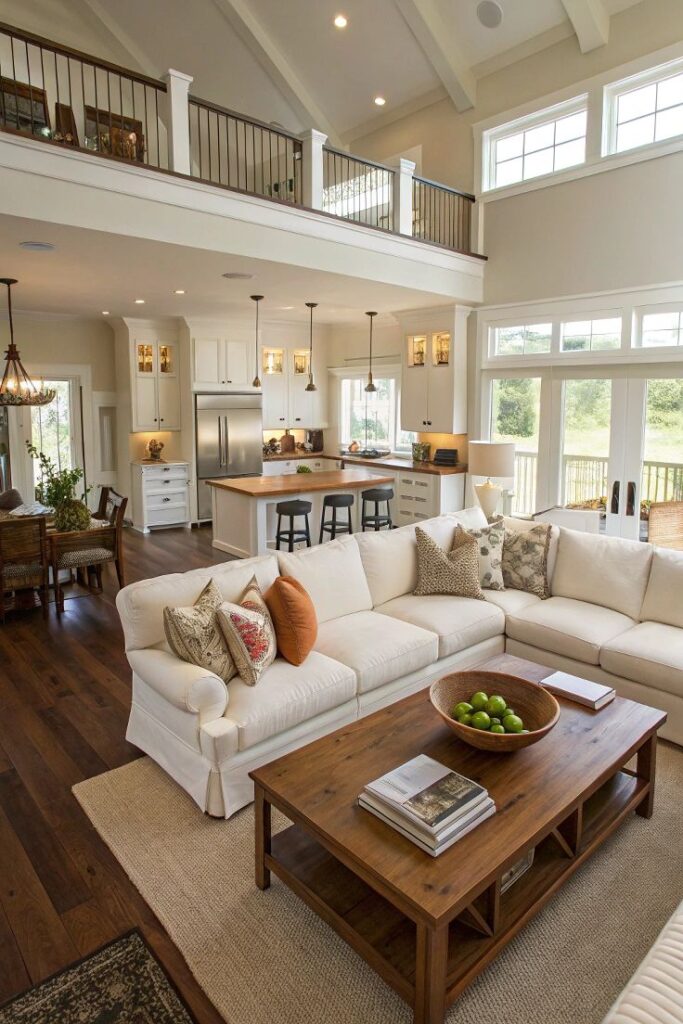
Consistent lighting is another unifying element. While you will use different types of lighting to define zones (pendants over the island, a chandelier over the table, floor lamps in the living area), the finishes—such as the metal of the fixtures—should be consistent throughout. To combat visual clutter, integrated storage is non-negotiable. A large kitchen island with deep cabinets can hide small appliances. Built-in cabinetry along a wall can serve as a media center, a pantry, and a display case all in one, providing a clean, cohesive look. The goal is to have a designated, out-of-sight place for everything.
Design Strategy 3: Managing Acoustics
Addressing the noise issue is essential for making an open concept home livable. The first line of defense is soft furnishings. Upholstered furniture, area rugs with thick pads, drapery, and pillows all absorb sound, preventing it from bouncing off hard surfaces. If you have hard floors, using large area rugs is crucial.
For a more significant impact, consider acoustic panels. Modern acoustic panels are far from the utilitarian foam tiles of the past; they come in beautiful fabric finishes and can be integrated as wall art or even as a stylish ceiling feature. Sound-absorbing window treatments, such as cellular shades or heavy drapes, can also make a substantial difference. In new construction or major renovations, incorporating soundproofing insulation in interior walls that separate the open space from private areas like bedrooms or home offices is a wise investment. Finally, consider the placement of noisy appliances. Opt for a quiet dishwasher and range hood, and if possible, locate the television on a wall that does not abut a quiet zone.
Conclusion
The open concept floor plan has fundamentally reshaped the American home, offering undeniable benefits in terms of connection, light, and flexibility. However, its successful implementation requires thoughtful design to overcome the inherent challenges of noise, lack of privacy, and visual clutter. By employing strategic zoning techniques, creating cohesion through a unified palette and integrated storage, and proactively managing acoustics, you can create an open concept space that is not only beautiful and spacious but also functional, peaceful, and perfectly tailored to your family’s needs. The future of open concept living is not about simply removing walls, but about designing intelligently to create a home that offers the best of both openness and intimacy.